

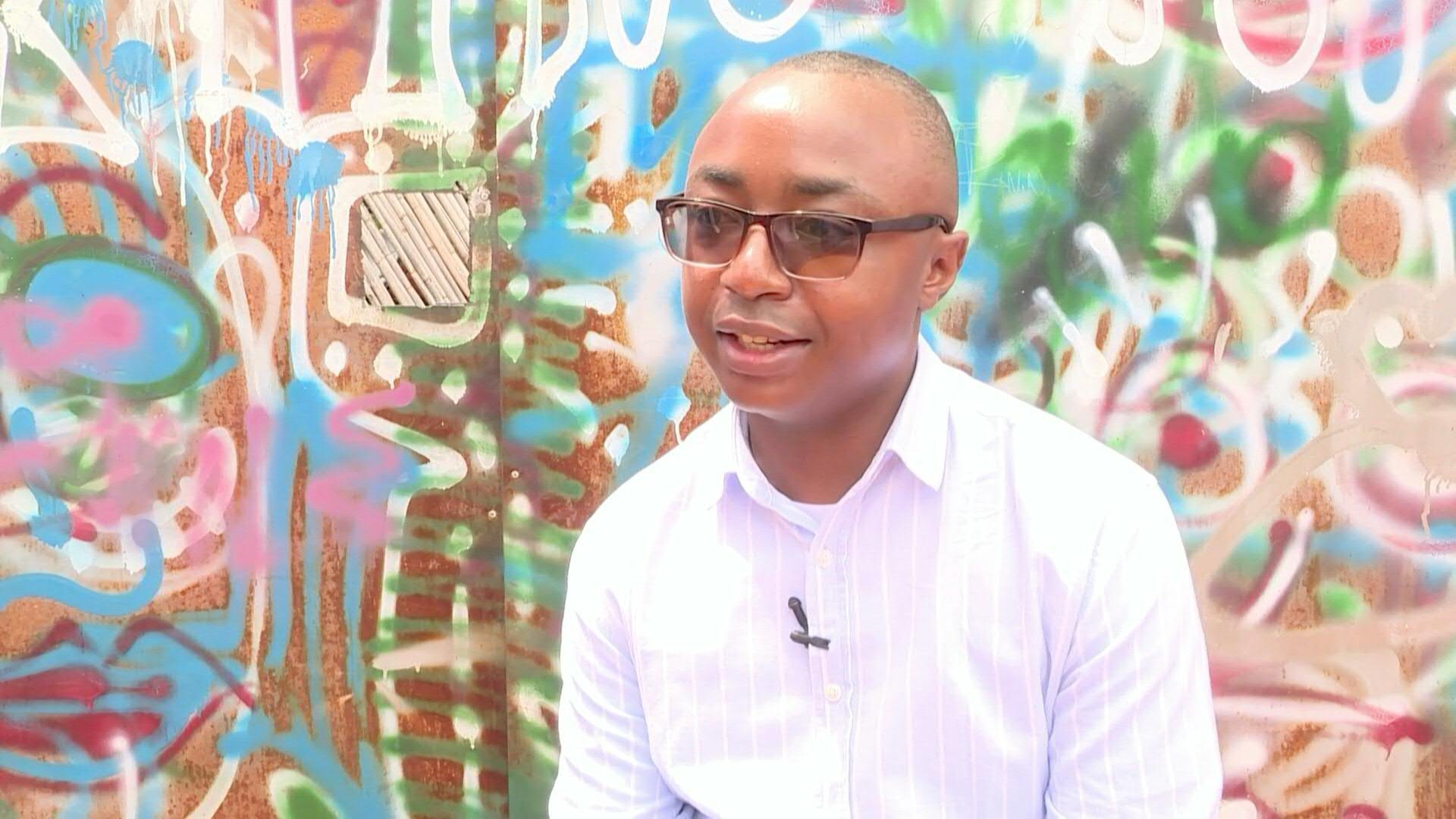
Zimbabwean author Simbarashe Kundizeza has expressed relief after being cleared of allegations that he used artificial intelligence (AI) to write his short story, The Blue Fighter, which won the £10,000 Caine Prize for African Writing in October.
The investigation, which lasted several weeks, followed questions surrounding the use of AI in producing the award-winning work.
Speaking after the investigation was concluded, Kundizeza said he was relieved by the outcome.
“When the investigation was concluded and I was cleared, I was obviously very relieved and happy,” he said.
The controversy began five days after Kundizeza was announced as the winner on October 6, 2026, when American magazine The Atlantic published an article questioning the story’s authorship. The publication reported that AI-detection software had flagged almost the entire story as AI-generated.
Kundizeza rejected the allegation, maintaining that he wrote the story himself. He explained that The Blue Fighter was inspired by a poem by South African poet Vangile Gantsho about her father’s fascination with building fish tanks, which he combined with fictionalised experiences from his own family during Zimbabwe’s economic difficulties around 2002.
The Caine Prize subsequently launched an investigation involving interviews with the author, the 2026 judging panel and The Shallow Tales Review, which first published the story.
An independent digital forensic examination identified four draft Word documents documenting up to 27 hours of writing and editing, with records tracing the story’s development from April to June 2025.
On November 11, the prize organisers announced that the investigation had found no evidence of generative AI use and confirmed that Kundizeza would retain the award.
The Caine Prize for African Writing was established in 2000 in memory of British publisher Sir Michael Caine. It recognises outstanding short stories by African writers and is regarded as one of the continent’s leading literary awards.
Following the controversy, the organisers also announced plans to introduce mandatory AI-use declarations for publishers and shortlisted writers from the 2027 edition, highlighting growing concerns about the role of artificial intelligence in literary creativity and authorship.