
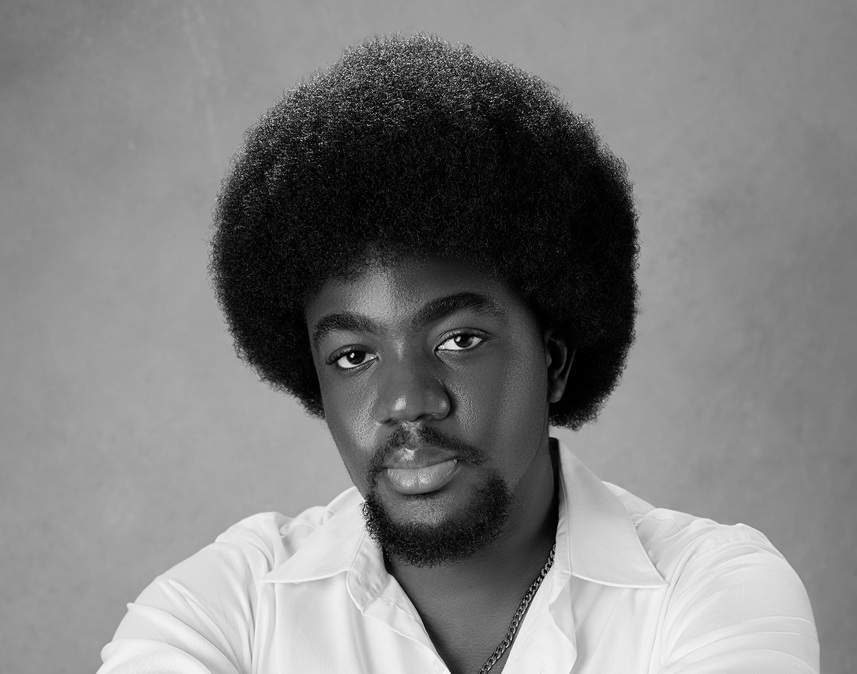
The fashion enthusiast, model and content creator opens up about bullying, sexual assault, past suicide attempts and the difficult journey towards healing, while sharing his ambition to become a leading voice for mental health in Nigeria and beyond.
Dieko Afolayan, fashion enthusiast, model and content creator, has spoken about his journey through bullying, sexual assault and public criticism, describing how self-compassion, family support and a sense of purpose have helped him navigate difficult experiences.
Speaking on the Morayo Show, Dieko, son of filmmaker Kunle Afolayan, reflected on how he has learned to protect his peace amid criticism from Nigerians, particularly over his fashion choices and public persona.
“Having a sense of individuality and being my own biggest cheerleader” has been central to his approach, he said, acknowledging that public criticism has become something he has grown accustomed to since 2024.
He explained that living in an environment where people are often quick to criticise others has taught him to place greater importance on his own mindset rather than the opinions of strangers.
Despite the criticism, Dieko said he was grateful to have his story and creative work featured on the BBC, describing the experience as one that made him feel seen and heard.
Reflecting on the recognition, he said one of his personal goals has always been “moving from pain to purpose”, adding that the opportunity came shortly after his 21st birthday and reminded him that his efforts to express himself creatively were being noticed.
However, he acknowledged that finding purpose in difficult experiences has not been an easy process.
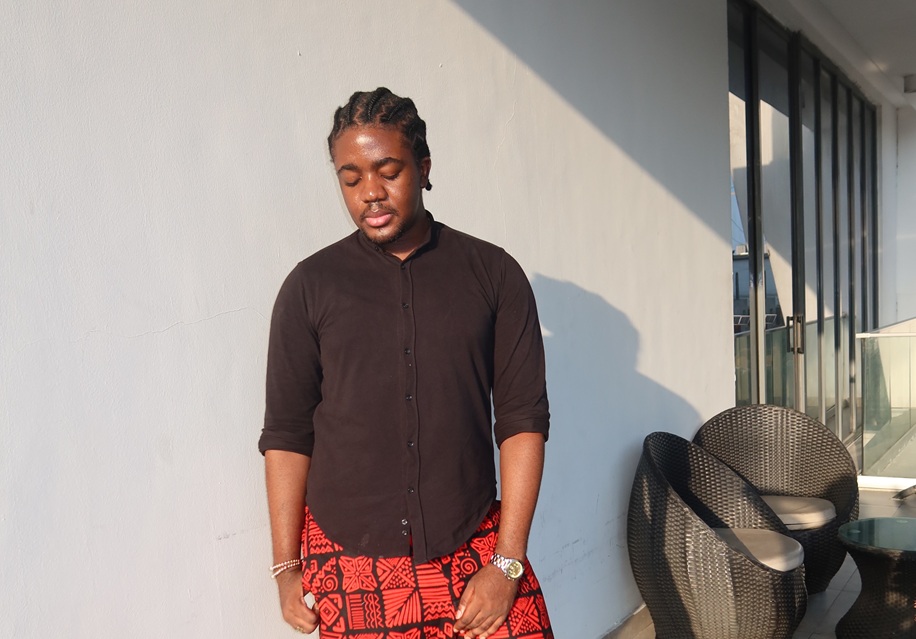
In an emotional moment during the interview, Dieko disclosed that he had experienced bullying and sexual assault as a child, alongside multiple suicide attempts. He recalled moments when he struggled with feelings of not belonging and questioned his place in the world.
The fashion enthusiast said he eventually began to understand that his experiences did not have to determine his identity or limit what he could achieve.
“I just realised that that doesn’t define who I am, what I do with myself,” he said, emphasising the importance of self-compassion and challenging negative thoughts.
He also identified his early experiences in hosting and presenting at school as a turning point, helping him recognise a greater purpose in using his voice and platform to create awareness and speak for people who may struggle to express themselves.
Dieko credited his mother and other family members, including his uncle Aremu, for providing the support and encouragement that have helped him through difficult periods.
He also used the interview to address possible misconceptions about his admiration for women, explaining that many of his role models are women because of the values he has learnt from them.
He cautioned against narratives that place restrictive expectations on men, arguing that societal pressure to conform to particular ideas of masculinity can contribute to the emotional struggles many men experience.
Among the people he admires, he mentioned content creator Enioluwa, actress and filmmaker Funke Akindele, and his uncle Aremu, whom he credited with teaching him the importance of authenticity.
On his fashion choices, Dieko explained that clothing has always been an important part of how he expresses himself, particularly because it gives him confidence and a sense of individuality.
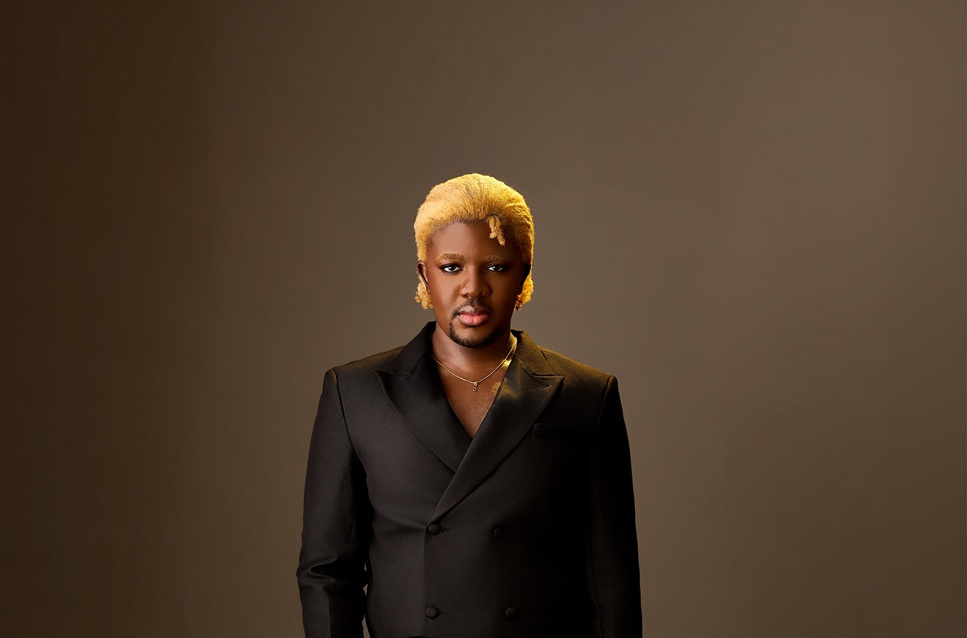
“When I dress up, I feel strong, I feel powerful. Fashion has always been a part of who I am. Fashion is a way I communicate,” he said.
Beyond his personal style, Dieko is also building a community around mental health and self-expression through ITGlow, an initiative inspired by his identity as a Gen Z “IT boy” — a term he associates with charisma and individuality.
He explained that ITGlow emerged from his desire to create a safe space where people could speak freely, express themselves and take their mental health seriously.
The initiative, which celebrated its first anniversary on November 6, has grown into a community of more than 130 members, with Dieko expressing interest in taking its activities to schools to support teenagers.
He also spoke about the need for more open conversations around emotional wellbeing, particularly for people who have experienced trauma.
Recalling the impact of his childhood assault, which happened when he was 10, he challenged the assumption that people should simply move on from traumatic experiences because of the passage of time.
He recalled an incident at school when he entered a catatonic state and tore his clothes, expressing that he no longer wanted to live.
“Healing is very messy,” he said, encouraging people to talk about their emotions rather than suppressing difficult experiences.
Dieko also clarified that his healing journey is ongoing, disclosing that he currently has a therapist.
Looking ahead, he hopes to expand his work across fashion, skincare and public speaking, while establishing himself as a prominent advocate for mental health.
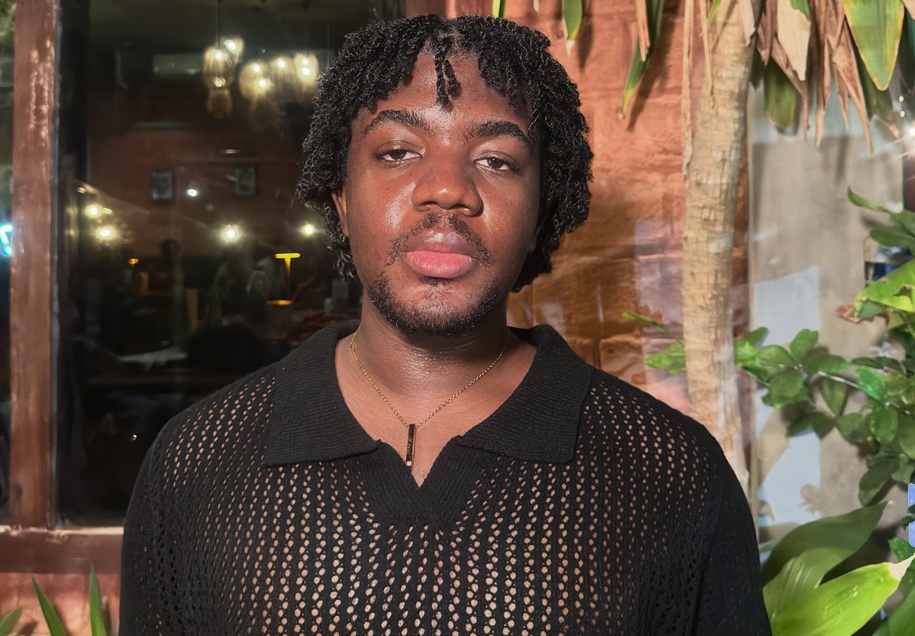
“I think Dieko in the next five years will be the face of mental health in Nigeria and globally,” he said, adding that he wants ITGlow to reach schools and help more teenagers navigate their emotional challenges.
For Dieko, the ambition extends beyond building a career in entertainment or fashion. It is also about establishing an identity and legacy independent of his family’s filmmaking background, using his experiences to encourage others to embrace self-expression, seek support and find purpose beyond their pain.