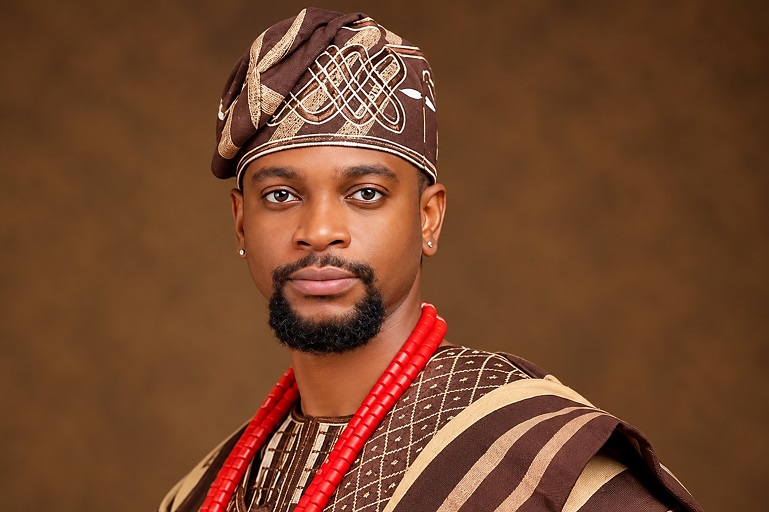


From composing scores for more than 40 Nollywood films to developing Afro-Choral as a contemporary expression of African musical traditions, Nigerian music producer and composer Onyebeat is exploring how sound can preserve cultural identity while shaping the future of African storytelling.
For Onyebeat, music has always been more than sound. It is a means of storytelling, cultural preservation and emotional expression, a philosophy that has guided his journey from childhood curiosity about a radio cassette player to a career spanning music production, songwriting, film scoring and composition.
“Growing up, I always wondered how music was playing out from our radio/cassette player. In my childlike mind, I wondered how people could sing into a piece of coil and I could play it back and hear music,” he recalls.
His introduction to music, however, was rooted in the church. His mother, a chorister who sang alto, regularly took him to choir rehearsals, where he developed an appreciation for vocal harmony. Encouraged by his mother’s choirmaster, he joined the children’s choir of Holy Family Catholic Church in Festac Town, Lagos. Years later, he became the choirmaster of the same Holy Child Choir.
His musical journey expanded through gospel bands, chorale groups and an Afrobeats boy band formed with his secondary school friends at Festac Grammar School. Known as GS Crew, the group performed songs during informal classroom concerts before deciding to record one of their compositions.
“That first recording experience finally answered the question I had been asking since childhood: how does music get from someone’s imagination into a recording that others can enjoy? It was also the moment I decided I wanted to become a music producer,” he says.
Interestingly, the producer who recorded the group’s first song, Miconpro, would later become his mentor.
At the University of Benin, where he studied Business Administration, Onyebeat’s creative interests developed further through his involvement with Saint Albert Choir, the university’s Catholic chaplaincy choir. Exposure to composers within the group encouraged him to begin translating his musical ideas into written compositions, laying the foundation for his work in choral music and film scoring.
“To me, songwriting, music production, film scoring and composition are different expressions of the same fundamental pursuit: storytelling through sound,” he explains.

Each discipline has influenced his approach. Film scoring has deepened his sensitivity to emotion and restraint, songwriting has strengthened his understanding of melody and narrative, while production has opened opportunities for experimentation with sound and texture.
Onyebeat whose real name is Charles Ikechukwu Onwubuya describes the Onyebeat sound as “a meeting point between African musical heritage, contemporary production and cinematic storytelling.”
With original scores and soundtracks for more than 40 Nollywood films, Onyebeat has developed an approach to composition that places the narrative at the centre of the creative process.
For him, the first step is understanding the director’s vision, the characters, their motivations and the emotional responses a film is expected to evoke.
“One of the most important things I have learned from scoring films is that the music must serve the story, not the composer,” he says.
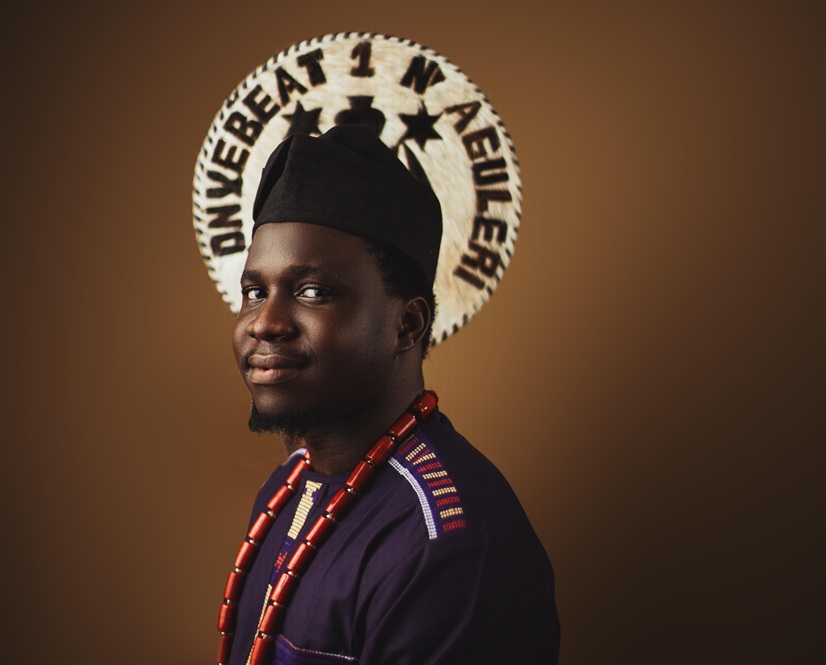
He approaches film music as an additional layer of storytelling, one that can communicate emotions characters are unable to express through dialogue, establish tension or create atmosphere.
The process often begins with identifying the film’s emotional themes and developing musical ideas that evolve alongside its characters. These may take the form of melodies, harmonic progressions, rhythmic patterns or instrumental textures.
This approach informed his work on To Adaego with Love, directed by Nwamaka Chikezie. The director wanted the film to reflect the sound of 1975 while retaining a contemporary sensibility.
The soundtrack drew from Highlife and choral music, two genres that significantly influenced his musical upbringing. He focused on the emotional experiences of the characters, using instrumentation, melodic language and harmonic textures to reflect the film’s historical setting and human relationships.
The film’s recognition through awards and nominations, he says, reinforces the contribution original music can make to African cinematic storytelling.
As Nigerian films continue to reach audiences through international streaming platforms, Onyebeat believes the industry’s global visibility should be accompanied by stronger creative and technical standards.
“I believe one of Nollywood’s greatest strengths is its cultural distinctiveness, and our music should contribute to that identity,” he says.

Onyebeat regards music as an important archive of African cultural memory, particularly in societies where histories, values and collective experiences have traditionally been transmitted through oral storytelling.
He believes indigenous songs, chants and folktales carry knowledge that risks being lost as younger generations become increasingly disconnected from traditional languages and cultural practices.
His approach to cultural preservation extends beyond documenting traditional songs. He advocates for their continued use in contemporary recordings, film soundtracks, educational programmes, digital media and live performances.
Collaboration with traditional musicians and cultural custodians, he adds, is necessary to ensure that reinterpretations remain respectful and authentic.
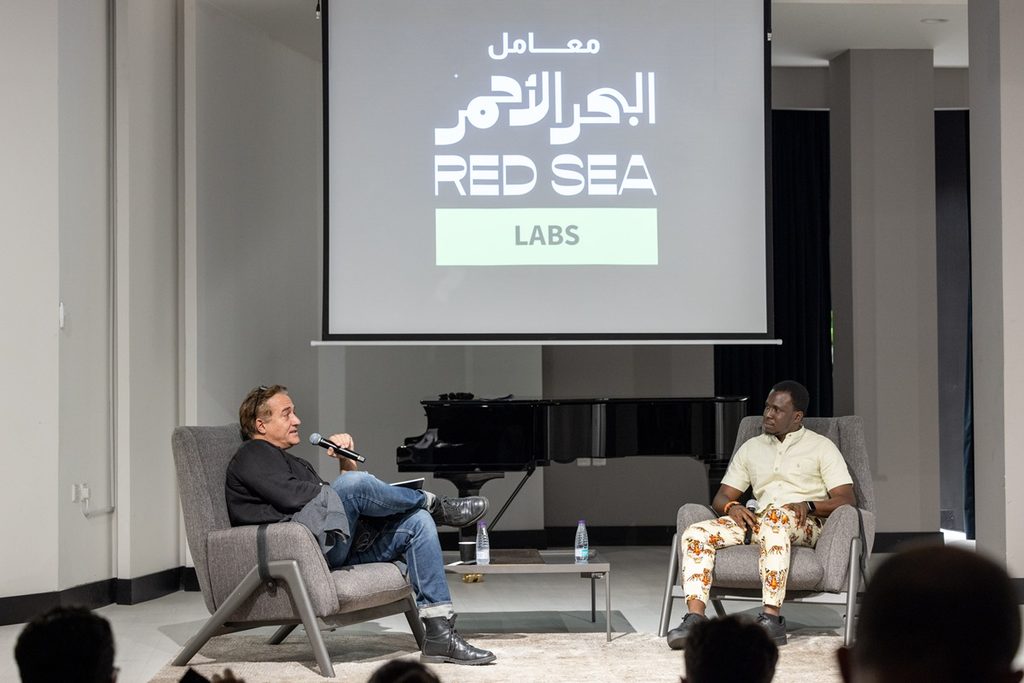
His participation in initiatives such as OneBeat Ghana and Red Sea Labs has further strengthened his understanding of creative exchange and collaborative development.
These experiences, he says, demonstrated the value of listening, experimentation and engaging with different cultural and artistic perspectives.
For emerging Nigerian music producers and composers, Onyebeat believes talent must be supported by stronger systems of mentorship, professional development, creative funding and access to production facilities.
He also advocates specialised training in film scoring, orchestration, sound design, music publishing and intellectual property, alongside greater collaboration between musicians, filmmakers, universities and cultural institutions.
Through Altones Studio Limited, Onyebeat is extending his creative ambitions into the development of younger musicians and the preservation of indigenous music.
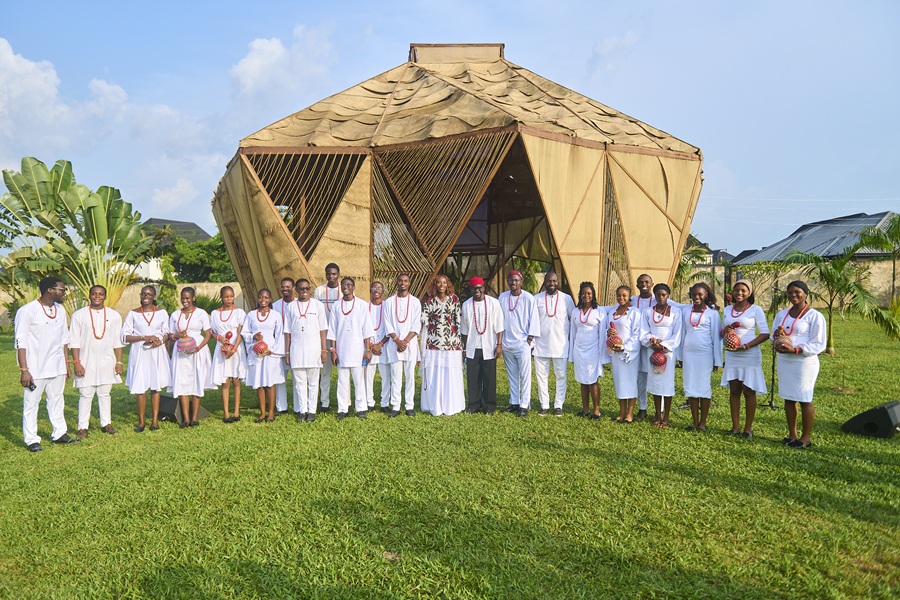
The company has established the Beatoven Ensemble, a collective bringing together young musicians to create, arrange and perform music. Beyond performance, the ensemble is intended to provide a space for practical experience, skills development and preparation for sustainable careers in music.
The ensemble made its debut at the Black Muse Art Festival during the exhibition opening at Black Muse Sculpture Park, organised by Angel and Muse. Its performance explored Benin’s cultural heritage, ancestral memory, communal identity and spirituality, culminating in reflections on national hope and divine grace.
The presentation resonated with the festival’s theme, “For Those Who Astonish the Gods,” and the exhibition’s curatorial proposition, “What Seeks Us Is Better Than What We Seek.”
Onyebeat’s ambitions also include developing a creative hub through his newly established studio in Abuja, where music, film, animation, storytelling and other disciplines can work together to preserve and reinterpret African cultural narratives.
Alongside continued work in film scoring, music production and Afro-Choral composition, he is developing recording projects dedicated to cultural preservation.
“If my work can help preserve these traditions, create opportunities for younger musicians and inspire new ways of telling African stories, I would consider that a meaningful legacy,” he says.