
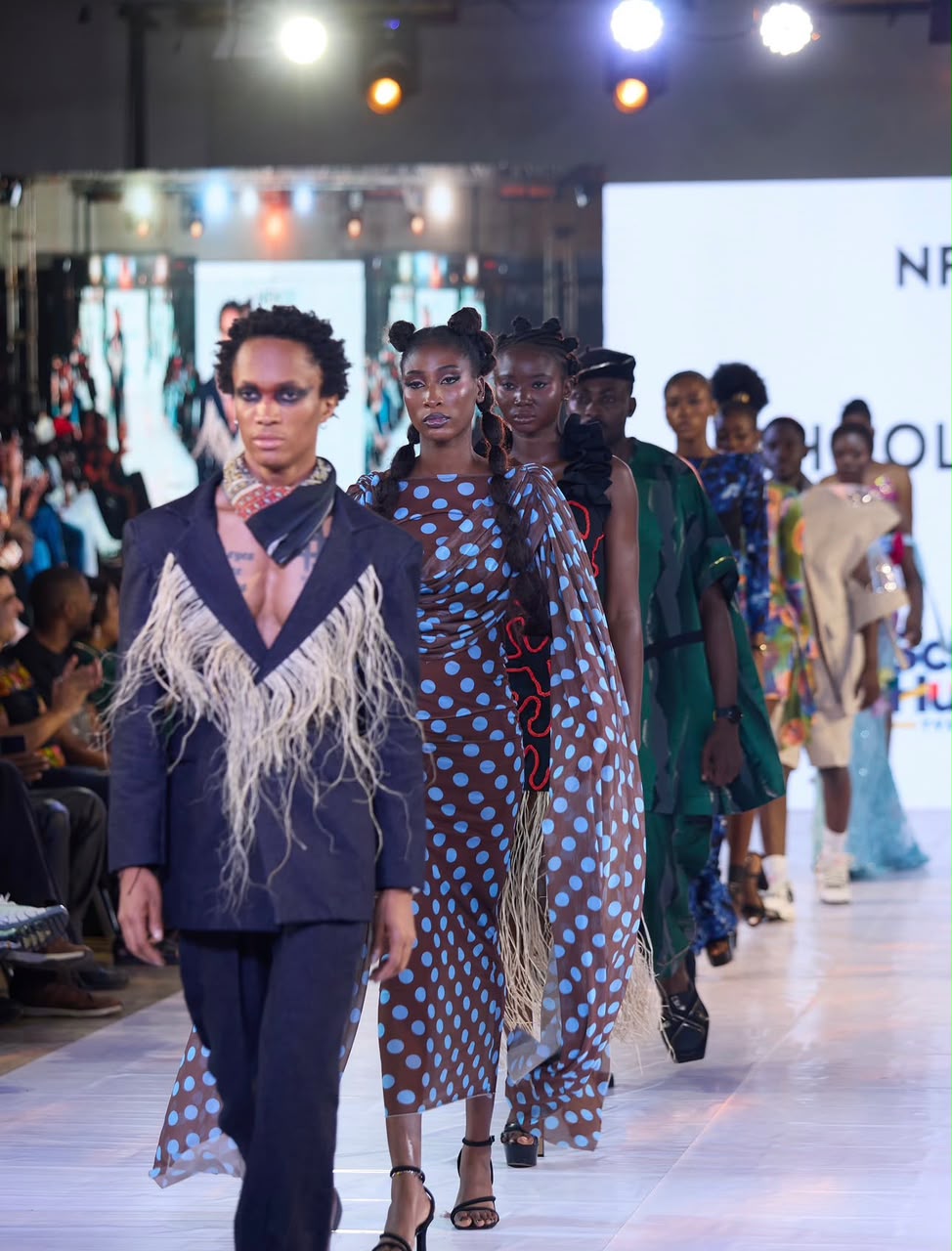
Nigeria Fashion Week, a 4-day fashion grandeur showcases business engagements and award presentations, bringing together Nigerian and international designers, models, entrepreneurs and other stakeholders.
This year, the event held at Soul Lounge Resort, Jahi, marking the first time the annual fashion event was hosted in the Federal Capital Territory after previous editions in Lagos.
Opening on Thursday, October 1, was a welcome cocktail hosted by Africa CEO Club in partnership with Legendary Gold Limited and Nigeria Fashion Week. The gathering provided an opportunity for fashion professionals, business leaders and other invited guests to network and explore opportunities for collaboration under the theme, “Where Capital Meets Creativity.”
The opening ceremony also drew attention to the economic potential of Nigeria’s creative industry, with the Federal Government calling for increased investment and stronger support for the sector.
With the second day came the main runway programme, with designers presenting collections that reflected different creative expressions, cultural influences and contemporary fashion trends.
The runway presentations continued on Saturday, October 3, with a programme themed “Going Green,” highlighting sustainability and environmental consciousness in fashion. The showcase provided a platform for designers to express their creativity while drawing attention to the importance of more responsible approaches to fashion design and production.
The final day, Sunday, October 4, shifted attention to the business and recognition aspects of the industry. Activities included the Nigeria Fashion Entrepreneurial Forum, which was designed to connect fashion entrepreneurs with policymakers, financial institutions and potential buyers.
The event concluded with the Nigeria Fashion Awards and Gala Night, which recognised contributions to the development of the fashion industry.
With more than 40 Nigerian and international designers participating, the 2026 edition sought to position fashion as both a creative platform and a viable economic sector.
Organisers said the move to Abuja was deliberate to widen opportunities for designers and strengthen engagement between the fashion industry, government and investors.
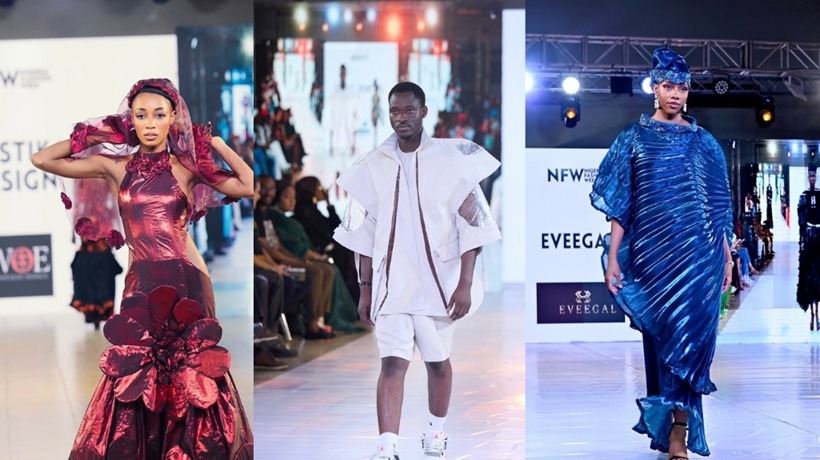
Nigerian Fashion Week 2026 ended with renewed attention on the role of fashion in promoting entrepreneurship, creating employment and expanding opportunities for Nigerian creatives in local and international markets.