
Nigeria’s creative industry has become one of Africa’s biggest cultural exports, producing globally recognised musicians, filmmakers, fashion designers and digital creators. Yet, despite its growing influence, many professionals say success in the sector is still being hindered by problems that have little to do with talent.
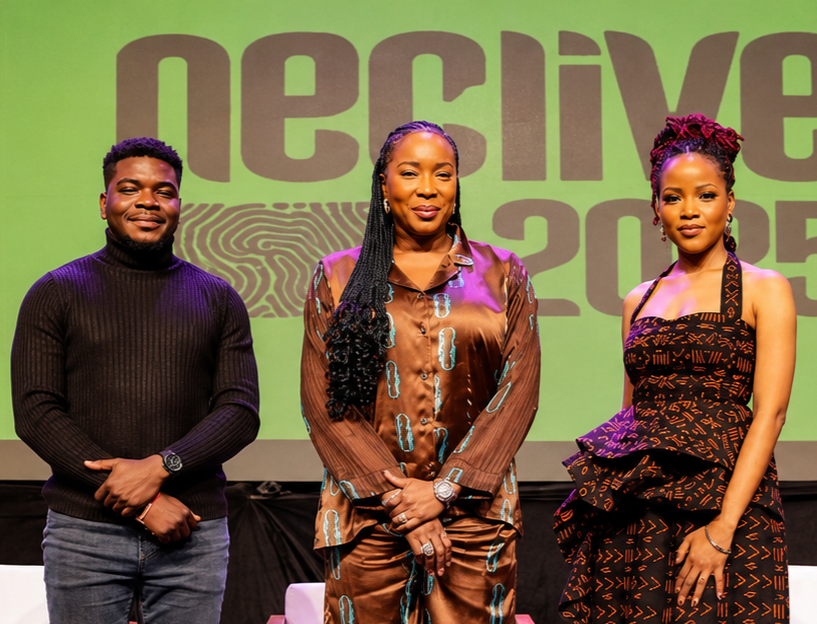
That is the central message of the newly released State of Nigeria’s Creative Economy 2026 Report, unveiled by the Nigerian Entertainment Conference (NECLive) in collaboration with Frontyard Group.
Rather than blaming a shortage of creativity, the report argues that Nigeria’s biggest challenge lies in the systems meant to support its creative workforce.
According to the findings, creatives continue to grapple with poor infrastructure, limited access to funding, inconsistent professional training and administrative bottlenecks that make it difficult to build sustainable careers.
The report, which surveyed hundreds of professionals across the industry, suggests that these structural issues are slowing the growth of a sector widely regarded as one of Nigeria’s most promising economic drivers.

Beyond Talent
For years, Nigeria’s entertainment industry has earned international recognition through Nollywood and Afrobeats. However, the report argues that global success stories often overshadow the daily realities faced by thousands of creatives working behind the scenes.
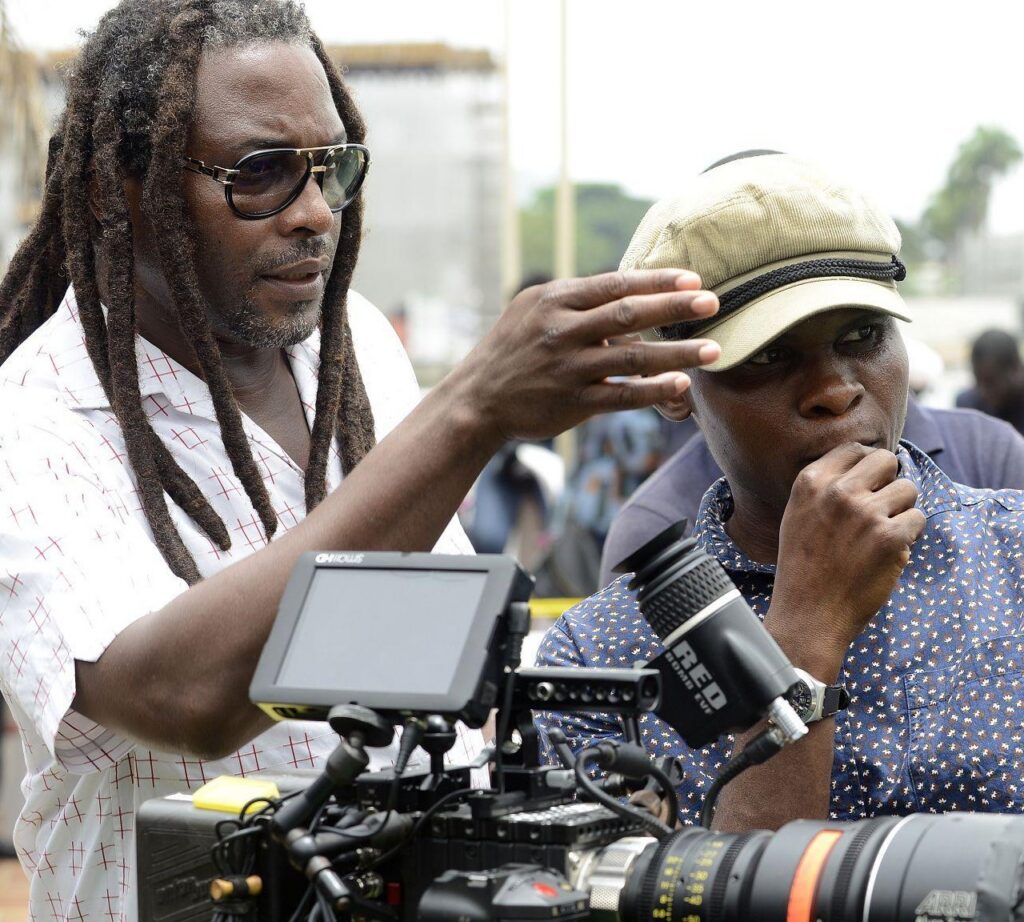
Editors, sound engineers, production managers, cinematographers, animators and other technical professionals remain in short supply, not because they lack interest in the industry, but because opportunities for practical training and career development remain limited.
The report notes that many young creatives possess artistic ability but struggle to gain the industry-ready skills required by employers.
Industry Responds with Skills Development
Interestingly, the report comes at a time when organisations across the continent are investing more heavily in creative education.
This week, KAP Academy and Benin’s School of Performing Arts (SOPA) announced a Pan-African filmmaking bootcamp aimed at equipping young filmmakers with practical production experience, mentorship and cross-border collaboration opportunities.
While the initiative was planned independently of the report, its focus on hands-on training reflects the type of intervention industry experts say is increasingly necessary to bridge the skills gap.
Similar programmes have also emerged in animation, content creation, music production and digital storytelling, signalling a broader shift towards workforce development rather than relying solely on academic qualifications.
Infrastructure Remains a Major Obstacle
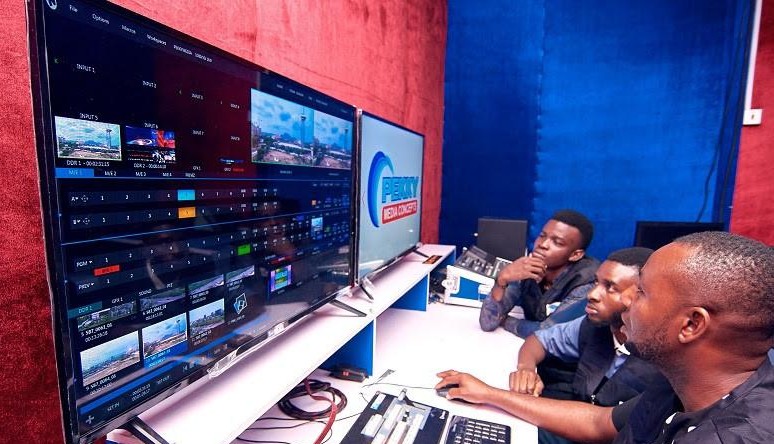
Beyond training, respondents identified unreliable electricity, internet connectivity, financing challenges and regulatory hurdles among the biggest barriers to growth.
For many creatives, production costs continue to rise, making it difficult to compete in an increasingly global market despite the growing demand for African stories.
Industry stakeholders argue that addressing these issues will require stronger collaboration between government, private investors, educational institutions and creative organisations.

Why It Matters
Nigeria’s creative economy has repeatedly been identified as a sector capable of generating employment, attracting investment and boosting exports.
However, the report suggests that unlocking its full potential will depend less on discovering new talent and more on creating an environment where existing talent can thrive.
As African storytelling continues to gain international attention, the conversation is shifting from whether Nigeria has creative potential to whether its ecosystem is prepared to support the next generation of creators.