
The Lead
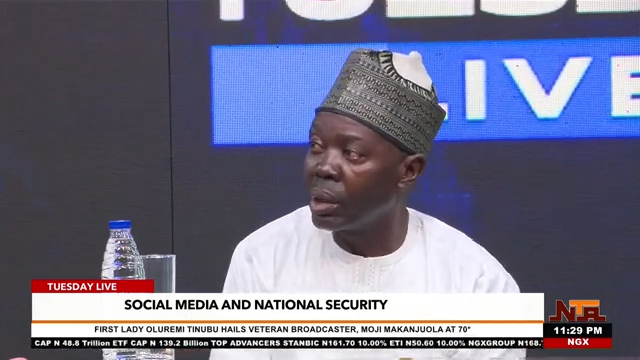
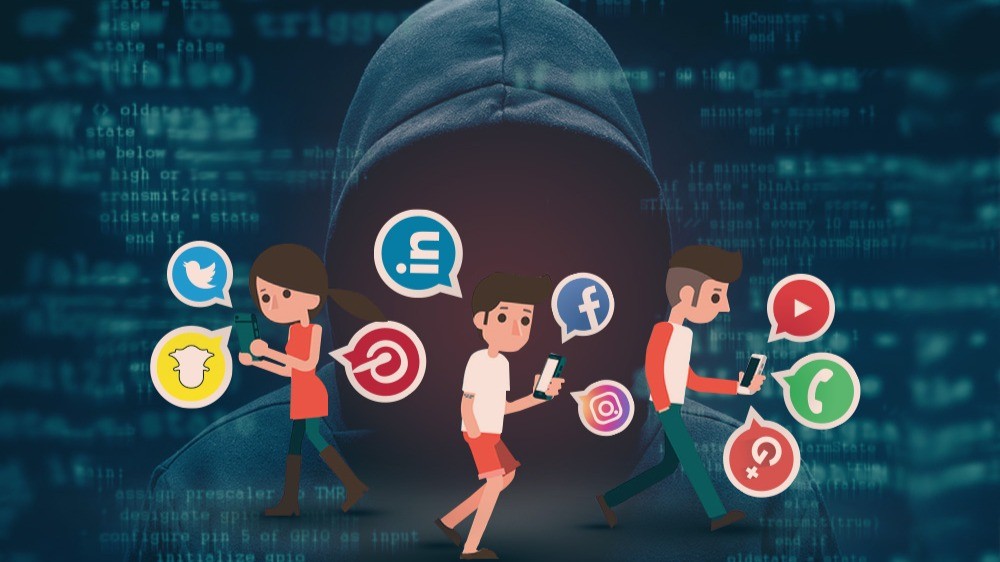
In an era where a single unverified post can travel faster than the truth, Nigeria finds itself at a critical crossroads where the digital landscape and national stability collide. As the nation grapples with the rapid spread of misinformation, the latest edition of NTA Tuesday Live has highlighted a fundamental shift: the real battlefield of the 21st century is no longer just on the ground, but in the palm of every Nigerian’s hand.
Beyond the Gun: The Battle for the Nigerian Mindset
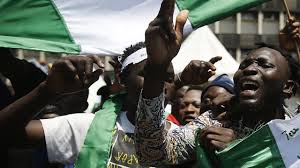
The conversation opened with a sharp analysis of technology’s neutrality. Cybersecurity expert Haniel Jafaru argued that social media platforms are merely tools, much like a firearm, whose impact is determined solely by the intent of the person holding them.
“It is the mindset that runs the technology. The technology in itself is a platform that can be used for good or for evil. What you do with it is dependent on the programming running in the minds of those using it.” — Haniel Jafaru, Cybersecurity Expert
This “technical neutrality” suggests that while the platforms are global, the consequences of their misuse are local, affecting everything from communal harmony to the safety of our security forces.
The Trust Deficit: Why Nigerians Favour Eyewitness Accounts
A recurring theme during the broadcast was the “Institutional Disconnect” between the government and the citizenry. Panellists noted that a significant trust deficit often leads Nigerians to believe unverified eyewitness reports over official government statements.
This gap in communication creates a vacuum that “fake news” and extremist propaganda greedily fill. To secure the nation, experts argued, the state must first secure the trust of its people through transparency and real-time engagement.
The Algorithm Trap: Breaking the Big Tech Monopoly
The influence of “Big Tech” was identified as a major external threat to Nigeria’s national information sovereignty. Danladi Modu-Emil, President of the Guild of Corporate Online Publishers (GOCOP), warned that social media algorithms are often programmed to prioritise sensationalism and negativity over constructive national narratives.
“The algorithms of the big tech companies determine what is shared. If these algorithms begin to give priority to negative things, national security will be threatened always. We must redouble our engagement with these platforms to ensure they are friendly to Nigeria’s security.” — Danladi Modu-Emil, President of GOCOP
The Saudi Model: A Blueprint for Digital Sovereignty?
During the discussion on regulation, the “Saudi Example” was cited as a potential roadmap for Nigeria. The Middle Eastern nation successfully compelled global tech giants like Amazon to establish local data centres, ensuring that sensitive government data remains within their physical and legal jurisdiction.
For Nigeria to achieve true “Digital Sovereignty,” the panel suggested that the country must move beyond being mere consumers of technology and begin hosting its own data and developing indigenous monitoring tools.
Bureaucracy vs. Insurgency: Winning the Information War
Perhaps the most urgent point raised was the “Speed of Thought.” Prof. Uche Mbanaso emphasised that while non-state actors and terrorists operate at digital speed—unburdened by protocol—government responses are often mired in layers of bureaucracy.
“Terrorists don’t need to take permission to act. In government, someone has to go through a lot of bureaucracy. We need to change our mindset; the digital age moves at the speed of thought, and we must match that pace.” — Prof. Uche Mbanaso, Nasarawa State University
Fast Facts: Nigeria’s Digital Security Landscape
- National Security Strategy 2019: Defines security as the capacity to preserve sovereignty and protect civil liberties.
- The NOA “CLIN” Platform: A newly launched AI tool by the National Orientation Agency to fact-check news and explain government policy in local languages.
- Active Users: Over 50 million Nigerians are actively engaged on social media, with one in five participating in daily civic discussions.
The Social Call-to-Action
How do you verify the news you see on your feed before sharing it? Does Nigeria need stricter regulation or better digital literacy? Join the conversation on our X (formerly Twitter) and Facebook pages @NTANetwork and share your thoughts using the hashtag #NTATuesdayLive.