

Compiled By: Malami Haruna Dogon daji
19 OCTOBER, 2026
President Bola Ahmed Tinubu signed the Electoral Act 2026 into law on 18 February 2026, creating new rules that will guide how Nigerians vote, how results are counted, and how leaders are chosen in the 2027 general elections.
Understanding the New Electoral Law
The new law replaces the older 2022 Act and brings important updates to Nigeria’s voting process. While it introduces clearer legal backing for modern voting technology, it also brings new rules that have sparked discussions among citizens, legal experts, and political groups.
Comprehensive Breakdown of Changes
| Issue | Electoral Act 2022 | Electoral Act 2026 | Why It Matters |
| BVAS Accreditation | BVAS was utilized operationally, but its specific legal status and evidentiary weight lacked explicit statutory depth. | Section 47 expressly recognises BVAS and establishes BVAS accreditation data as primary evidence of accredited voters. | Strengthens the audit trail for voter accreditation and minimizes disputes over manual registers. |
| Electronic Results Transmission | Mentioned electronic transmission, but the Supreme Court held in Oyetola v. INEC that failing to upload results did not automatically invalidate an election. | Section 60(3) mandates presiding officers to transmit Form EC8A from polling units to IReV, making IReV results admissible in petitions. | Closes a major 2023-era regulatory gap by giving the IReV portal a firmer statutory foundation. |
| Manual Fallback | INEC held operational discretion regarding fallback transmission arrangements. | If electronic transmission fails, Form EC8A serves as the primary document for collation. | Supporters argue it prevents mass disenfranchisement during network downtime; critics worry it dilutes real-time verification. |
| Party Primaries | Allowed direct, indirect, and consensus primaries depending on individual party constitutions. | Only direct primaries or consensus options are permitted; indirect primaries are completely removed. | Eliminates delegate-driven manipulations, though it introduces higher logistics, costs, and inclusion burdens. |
| Consensus Candidacy | Less tightly defined under prior public and legal frameworks. | A consensus candidate can only emerge if all cleared aspirants provide written consent to withdraw; otherwise, a direct primary must occur. | Provides a strong safeguard against the imposition of arbitrary “consensus” choices by party godfathers. |
| Election Notice Period | INEC was required to give 360 days’ notice prior to polls. | The notice window is reduced to 300 days. | Grants INEC greater scheduling flexibility, allowing them to avoid major religious observances and manage logistics. |
| Election Petitions | Allowed broader grounds, including qualification-related disputes. | Section 138 limits petitions mainly to corrupt practices, non-compliance, and majority lawful votes, omitting post-election qualification reviews. | Aims to speed up cases, though legal experts caution it may conflict with constitutional qualification safeguards. |

Key Changes You Should Know
- BVAS Recognition: The Bimodal Voter Accreditation System (BVAS) now has clear legal backing. Accreditation data from BVAS serves as primary evidence of who voted.
- Electronic Results: Presiding officers must send polling unit results (Form EC8A) to the INEC Results Viewing (IReV) portal after signing. However, a manual backup rule applies if electronic transmission fails.
- Party Primaries: Political parties can now only use direct primaries or consensus candidates; indirect primaries using handpicked delegates have been removed.
- Shorter Election Notice: INEC’s notice period for elections is reduced from 360 days to 300 days to allow better scheduling flexibility.
“The law makes real progress in areas like BVAS and IReV recognition, but it is important to look closely at how the rules are applied to ensure fairness for every Nigerian voter.” — Editorial Consensus.
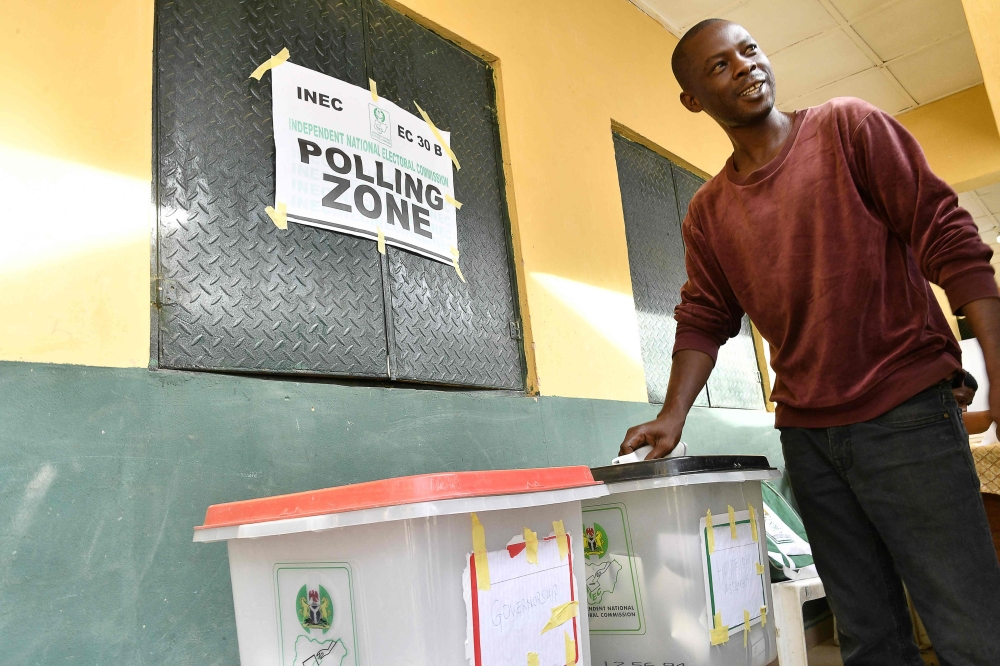
Fast Facts: What the Act Fixes
- Clearer Technology Use: Gives IReV and BVAS stronger legal power to reduce disputes over election results.
- Fairer Party Choices: Stops the use of closed-door delegates by removing indirect primaries.
- Better Scheduling: Gives INEC more room to avoid clashes with major religious holidays like Ramadan.
5. The Social Call-to-Action (CTA)
What do you think about the new Electoral Act 2026 and its rules for technology and voting? Share your thoughts on NTA’s social media platforms!