
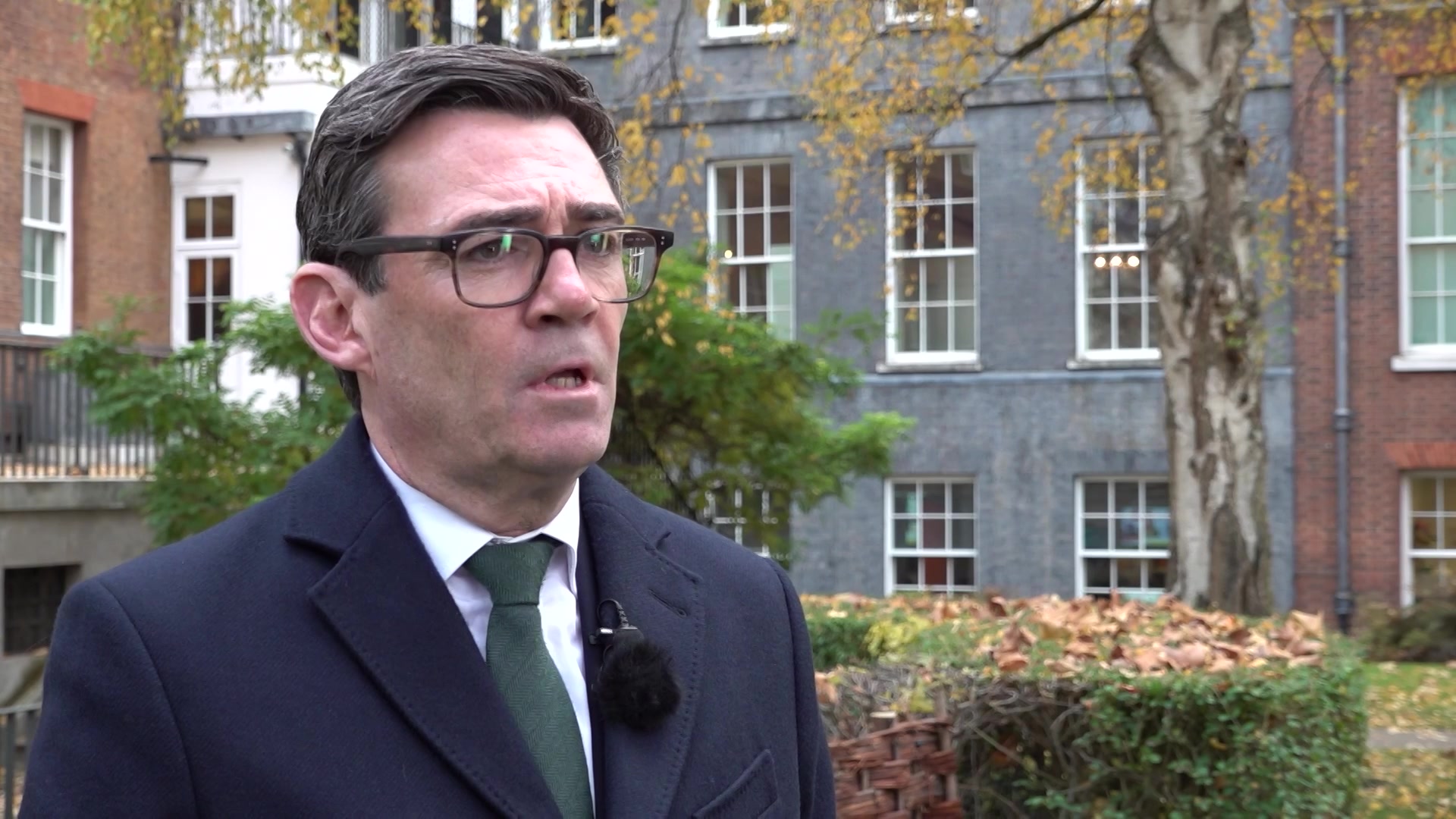
UK Prime Minister Andy Burnham has said Britain’s decision to leave the European Union weakened the country’s ability to control immigration, arguing that the loss of cooperation with European partners contributed to the rise in irregular migration across the English Channel.
Burnham made the remarks on Thursday, November 26, 2026, following the release of official statistics showing that net migration to the UK fell to an estimated 77,000 in the year ending June 2026.
“I don’t think you can say that Brexit did anything other than weaken control of immigration in this country,” Burnham said.
The latest figures, published by the Office for National Statistics (ONS), represent a decline of more than half from the revised estimate of 204,000 recorded in the year ending June 2025. They also mark the lowest annual net migration figure since 1997, excluding the years affected by the COVID-19 pandemic.
Net migration measures the difference between the number of people entering a country to live for at least 12 months and those leaving over the same period.
According to the ONS, an estimated 738,000 people arrived in the UK in the year to June 2026, while 661,000 left, producing a net migration figure of 77,000.
The decline was largely driven by fewer arrivals from outside the European Union, particularly people coming to the UK for work, study and asylum-related reasons.
Burnham argued that Brexit had weakened Britain’s ability to cooperate with European countries on immigration enforcement, particularly in addressing irregular crossings through the English Channel.
He said the small boat crisis had developed significantly in the years following Brexit, when the UK lost some of its previous arrangements for working with European partners to manage migration and return people who had entered irregularly.
The Prime Minister also credited Home Secretary Shabana Mahmood with efforts to reduce immigration, describing the latest figures as evidence that the government was making progress in addressing public concerns.
Mahmood welcomed the statistics, saying the government had restored control over immigration after net migration reached record levels under the previous Conservative administration.
However, the latest net migration figures do not provide a complete picture of irregular migration into the country. People arriving through unauthorised routes, including small boats crossing the English Channel from northern France, are not fully captured in the long-term migration estimates.
Burnham’s comments have also reopened debate over the consequences of Brexit, particularly whether leaving the EU delivered the greater control over immigration promised during the 2016 referendum campaign.
The Conservative Party has disputed Labour’s claim to credit for the decline in migration, arguing that changes to work visas, student visas and rules governing dependants introduced under former Prime Minister Rishi Sunak contributed significantly to the reduction.
Meanwhile, Reform UK dismissed the latest figures as insufficient, maintaining that further action was needed to address illegal migration.
Liberal Democrat representatives have also cautioned that sustained reductions in migration could create economic challenges, particularly for industries and public services that depend on overseas workers.
The debate comes as the UK government continues to consider its future relationship with the European Union. Burnham has previously called for closer cooperation with the bloc but ruled out restoring freedom of movement or seeking to rejoin the EU during the current parliamentary term.