
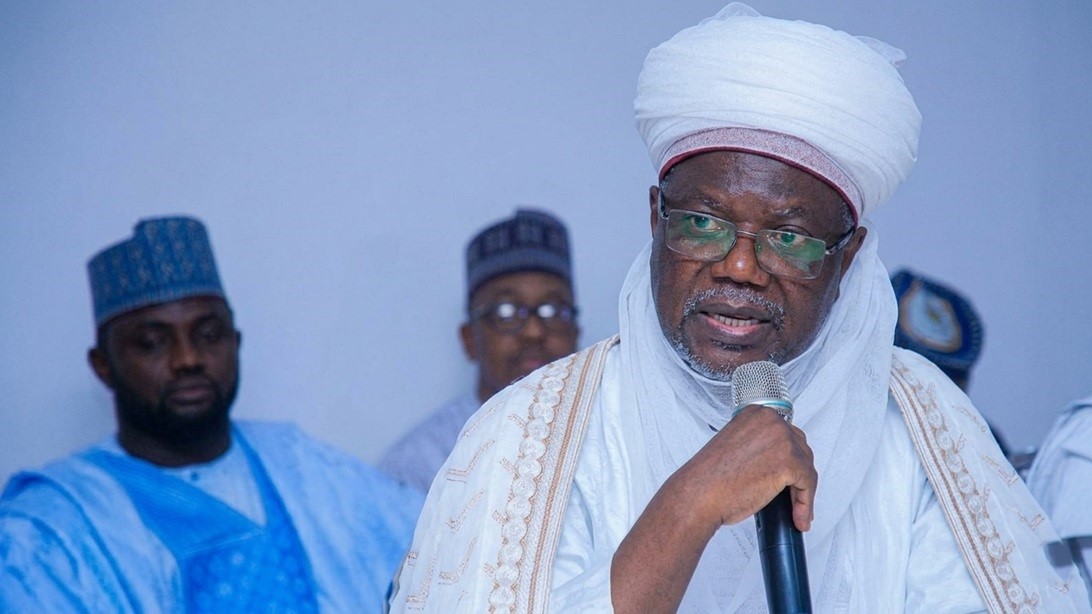
The sharpening crisis of rural insecurity in northwestern Nigeria took a dramatic political turn after one of the region’s most influential traditional rulers openly directed his subjects to pool financial resources, stockpile weapons, and defend themselves against unrelenting bandit attacks.
A Royal Mandate Born of Frustration
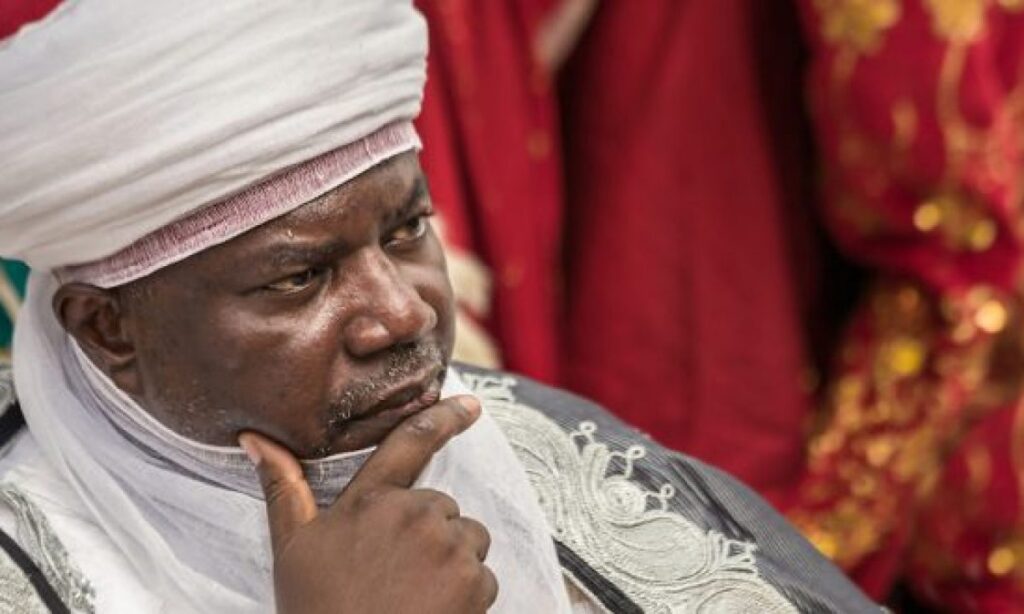
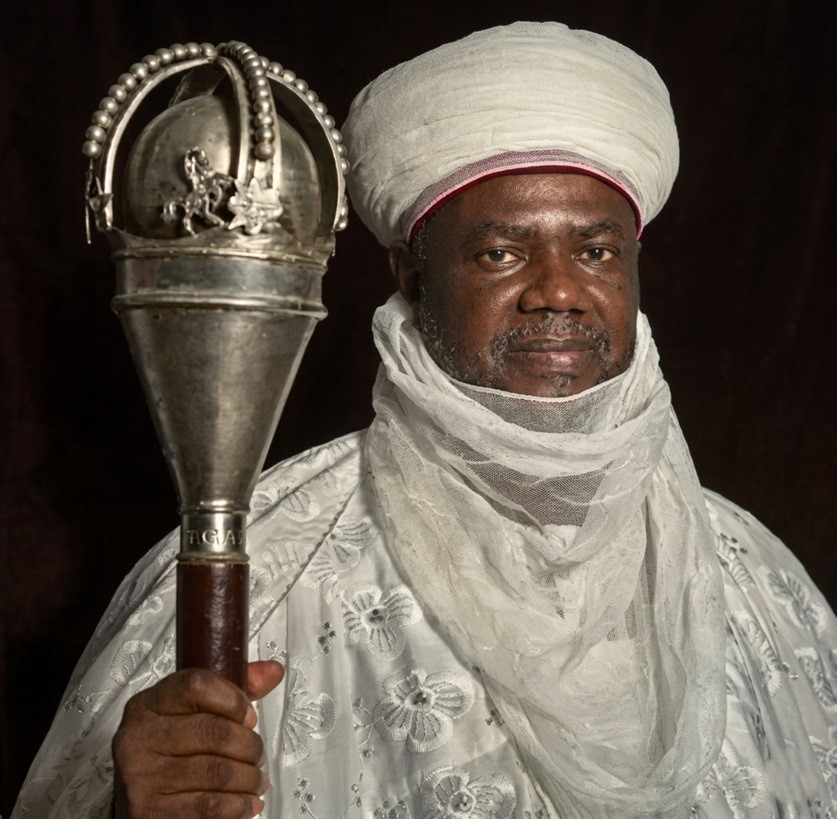
His Royal Highness, the Emir of Argungu, Alhaji Samaila Muhammad Mera, issued the controversial directive during an emergency security meeting with district, village, and ward heads in Kebbi State. Visibly burdened by the recurring bloodshed in his domain, the prominent monarch stated that the formal security apparatus is overwhelmed, leaving local populations with no choice but to secure their own lives and property.
According to official reports, the Emir urged his communities to organise collective funding to purchase weapons (Legally). He declared that residents must be prepared to stand their ground, even “if it means laying down our lives,” rather than waiting passively for state protection that has failed to arrive in time.
The Geopolitical Reality of Kebbi State
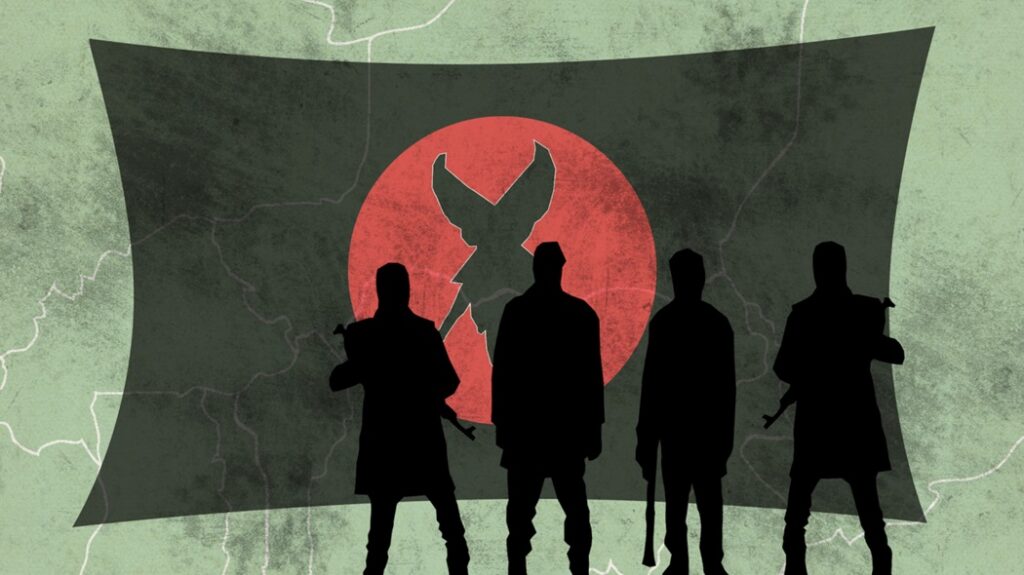
Kebbi State has increasingly become a frontline sector in the fight against terror. The state is currently battling not only highly mobile criminal bandit syndicates—who routinely kidnap travellers, sack agrarian villages, and loot homes before burning them—but also the newly emerged Lakurawa jihadist group.
FAST FACTS:
Monarch: HRH Samaila Muhammad Mera, Emir of Argungu.
- Location: Kebbi State, Northwestern Nigeria.
- Core Message: Local funds should be pooled to stockpile defensive arms.
- Security Threats: Combined menace of bandit networks and Lakurawa insurgents.
- Precedents: Similar self-defence calls made in Katsina (2021) and Zamfara State.
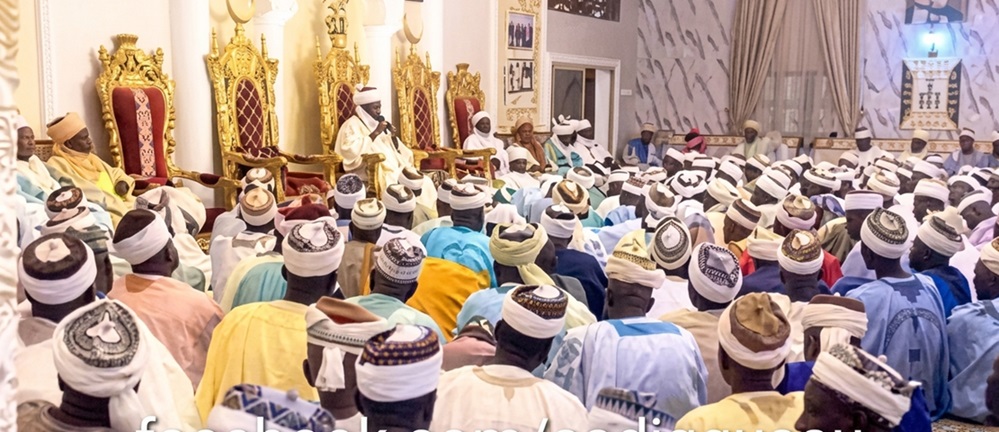
The Emir’s intervention carries immense weight across the federation. As the custodian of the globally renowned Argungu Fishing Festival, his cultural and administrative standing makes this declaration a serious bellwether of governance fatigue in northern Nigeria.
The Legal and Constitutional Friction
While the Emir’s message may resonate strongly with traumatised rural communities, it sits uneasily with Nigeria’s legal and security framework. Traditional rulers have no constitutional security powers, and the Firearms Act places civilian access to weapons under strict legal control.
“The monarch appears to be invoking natural justice as a moral basis for community self-defence amid persistent insecurity, but that does not override Nigeria’s firearms laws or federal security authority.” — National Security Analysis Brief
Legal experts note that gun licensing remains the exclusive preserve of the Federal Government, controlled ultimately by the President. By recommending an unregulated proliferation of small arms to counter banditry, local institutions risk escalating communal feuds and flooding an already volatile black market with illicit weapons.
A Systemic Governance Crisis
This development is not unprecedented. In 2021, the former Governor of Katsina State, Aminu Bello Masari, similarly implored citizens to acquire firearms for self-protection, a sentiment later echoed by traditional leaders in Zamfara State.
The recurrence of these high-level declarations underscores that the security challenge in the northwest has evolved from a routine policing issue into a fundamental governance crisis. While state-backed community protection personnel have been deployed in various sectors, the sheer scale of the borderlands infrastructure deficit continues to leave remote villages exposed.
The Social Call-to-Action (CTA)
When formal state protection falters, do rural communities have a moral right to independently arm themselves for survival, or does communal weapon stockpiling undermine national sovereignty? Share your analytical views in the comment section below or join the debate on NTA’s official X and Facebook handles.