
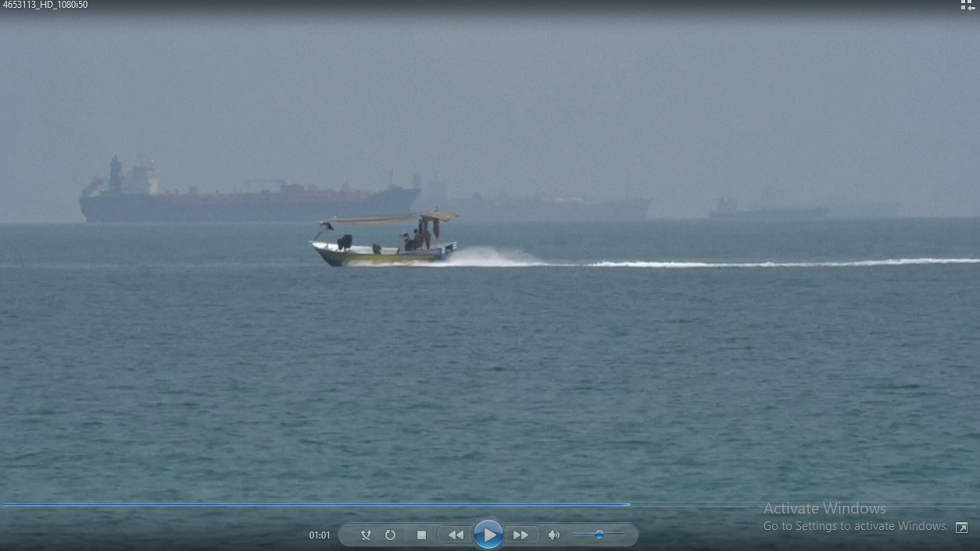
Iran rowed back on its decision to reopen the Strait of Hormuz and fired on a tanker attempting to pass the waterway on Saturday. It warned that it would continue to block transit through the strait as long as the U.S. blockade of Iranian ports remained in effect.
Confusion over the critical chokepoint threatened to deepen the energy crisis roiling the global economy and push the two countries toward renewed conflict, even as mediators expressed confidence a new deal was within reach.
Iran’s joint military command said on Saturday that “control of the Strait of Hormuz has returned to its previous state … under strict management and control of the armed forces.”
Two gunboats from Iran’s Revolutionary Guard opened fire on a tanker transiting the Strait of Hormuz, the British military’s United Kingdom Maritime Trade Operations center said. It reported the tanker and crew as safe, without identifying the vessel or its destination. TankerTrackers.com reported vessels were forced to turn around in the strait, including an Indian-flagged super tanker, after they were fired on by Iran.
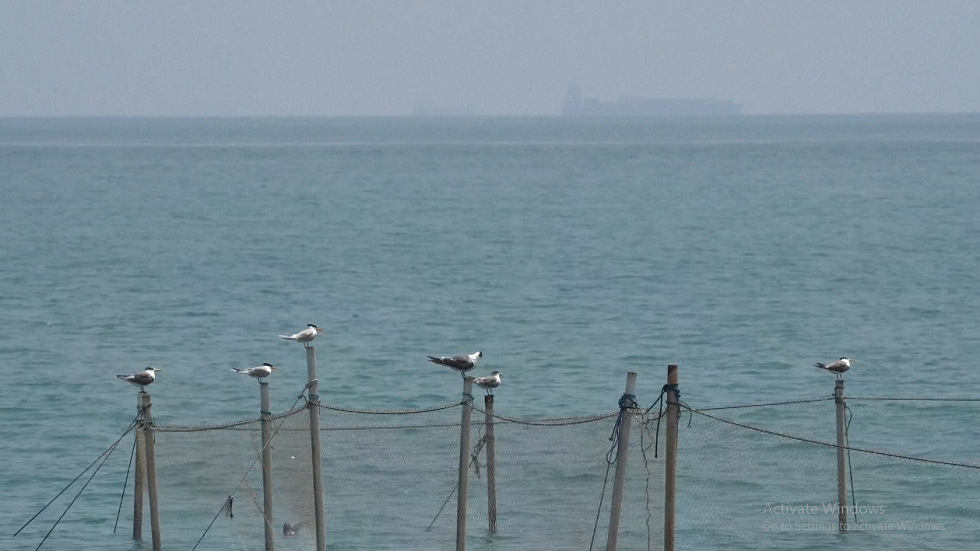
Saturday’s developments came after U.S. President Donald Trump said the blockade “will remain in full force” until Tehran reaches a deal with the U.S., including on its nuclear program. Tehran had reopened the strait Friday to commercial vessels.
Roughly one-fifth of the world’s oil passes through the strait and further limits would squeeze already constrained supply, driving prices higher once again. Iran’s Friday announcement about the opening of the crucial body of water, through which 20% of the world’s oil is shipped, came as a 10-day truce between Israel and the Iranian-backed Hezbollah militant group in Lebanon appeared to hold.