
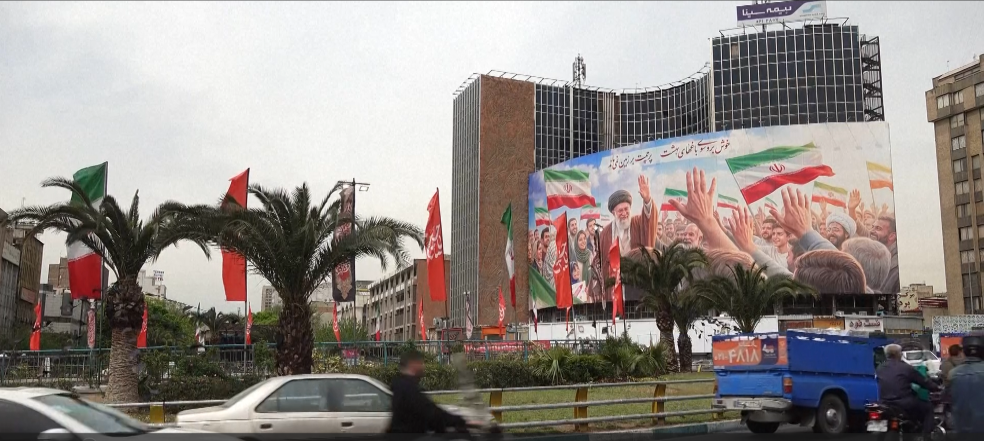
Some Tehran residents on Sunday were in favour of diplomacy despite high-level talks with the United States ending without an agreement to end the war.
Face-to-face talks between the US and Iran ended in Islamabad on Sunday, leaving a fragile two-week ceasefire in doubt.
US officials said the negotiations collapsed over what they described as Iran’s refusal to commit to abandoning its nuclear program, while Iranian officials blamed the US for talks breaking down without specifying the sticking points.
Neither side indicated what will happen after the 14-day ceasefire expires on April 22.
Pakistani mediators urged all parties to maintain it.
Citizens said they preferred the talks over fighting, as the ceasefire that followed almost 40 days of intense fighting seemed to be holding.
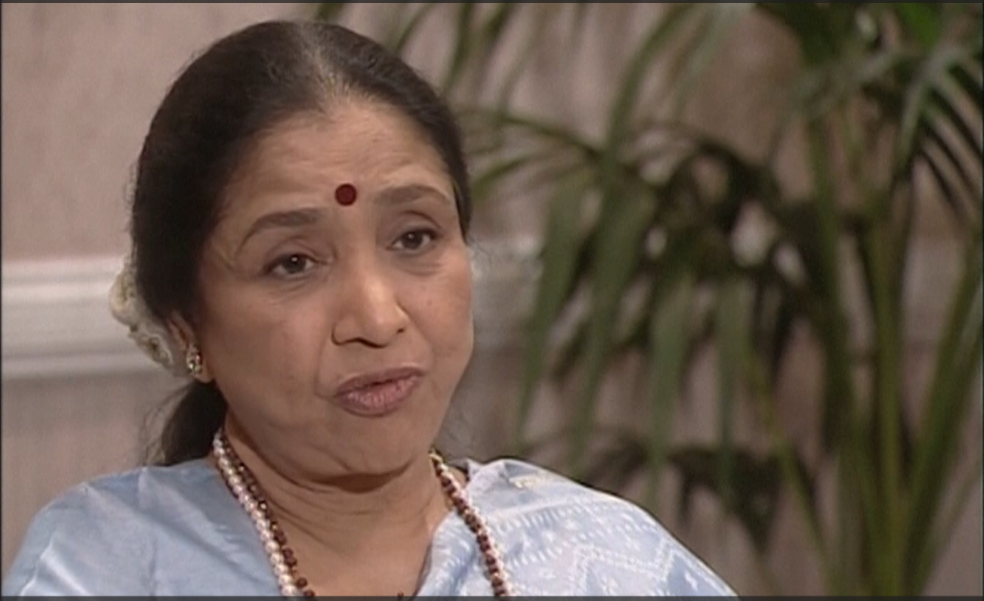
“I’m against war. I think negotiation is the better path. Iran fought well, and gained what it deserved (in the war), but I think it’s time to stop fighting,” Farhad Simia told The Associated Press.
Mirroring the Iranian officials narrative, Simia blamed the deadlock in the talks on the US for its “inappropriate” demands.
“We definitely should be able to secure some of our rights.”
The US and Iran said their positions were clear and put the onus on the other side, underscoring how little the gap had narrowed throughout the talks.
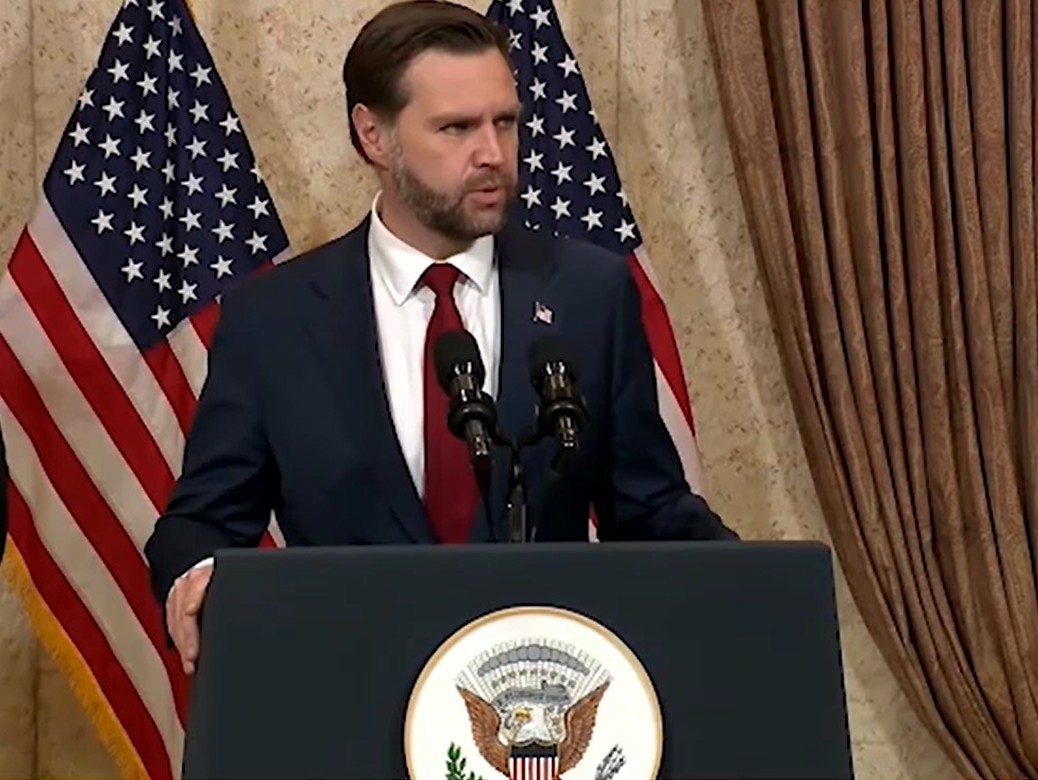
“We need to see an affirmative commitment that they will not seek a nuclear weapon, and they will not seek the tools that would enable them to quickly achieve a nuclear weapon,” US Vice President JD Vance said after the 21-hour-long talks.
Iran’s parliament speaker Mohammad Bagher Qalibaf, who led Iran in the negotiations, said it was time for the United States “to decide whether it can gain our trust or not.”
Iranians have been living in a total digital blackout for over a month now, with their access to the internet completely blocked shortly after the war started in late February.
The population have been relying on state-controlled media and overseas satellite TV channels for access to information.