
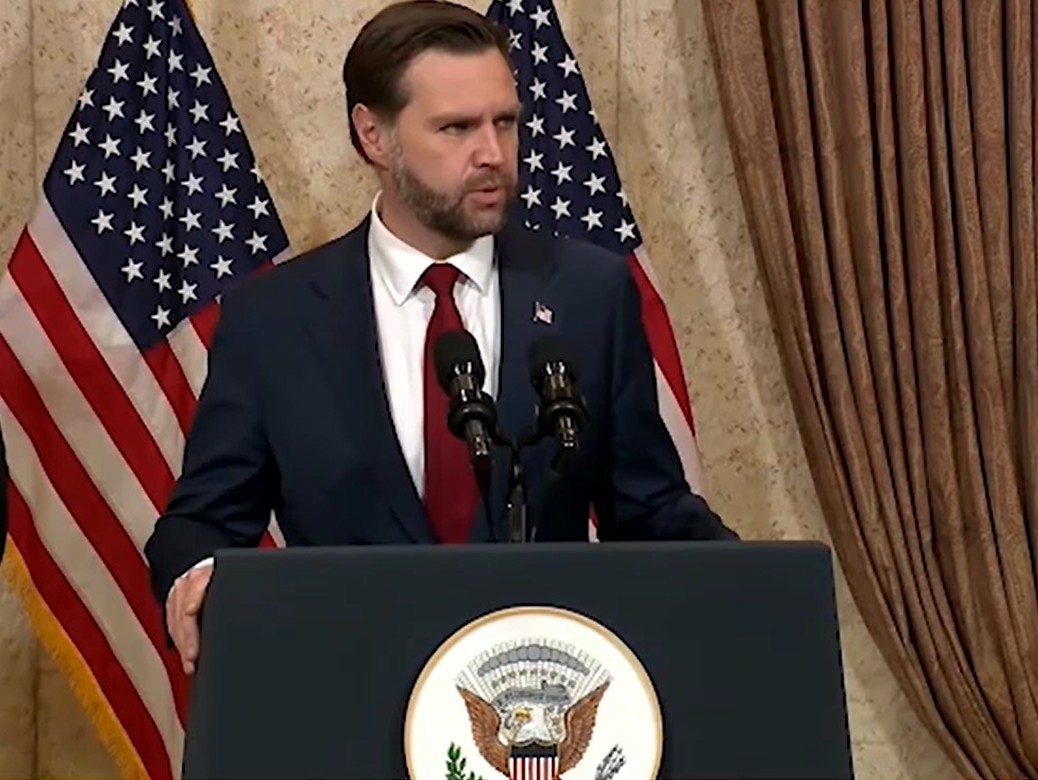
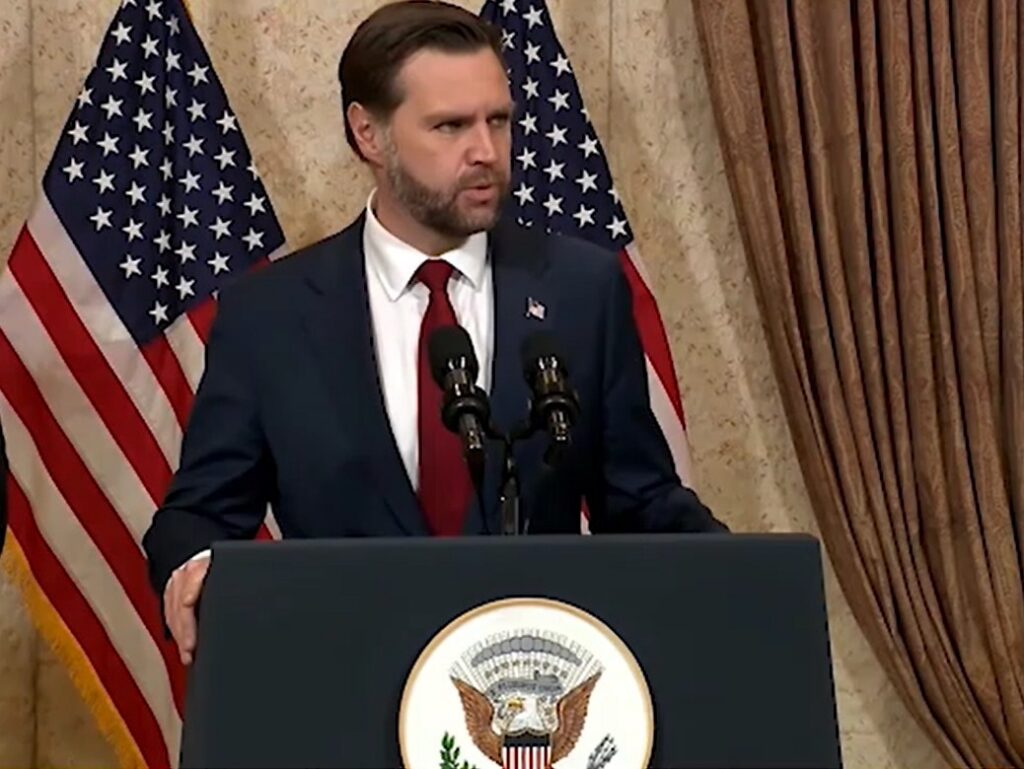
Vice President JD Vance Announced On Sunday That The United States And Iran Failed To Reach A Deal After More Than 21 Hours Of Intense High-level Peace Negotiations In Islamabad, Pakistan.
The Talks, Which Began On Saturday, Marked The First Direct Meeting Between Senior US And Iranian Officials Since The 1979 Islamic Revolution. They Were Held Days After The US And Israel Ended Their Recent War With Iran That Severely Disrupted Global Oil Supplies And Killed Thousands.
Vance, The Highest-ranking American To Engage Directly With Iranian Officials In Decades, Said He Came In Good Faith But Iran Failed To Show The Necessary Commitment To Abandon Its Nuclear Weapons Program. He Departed Pakistan Without A Breakthrough.
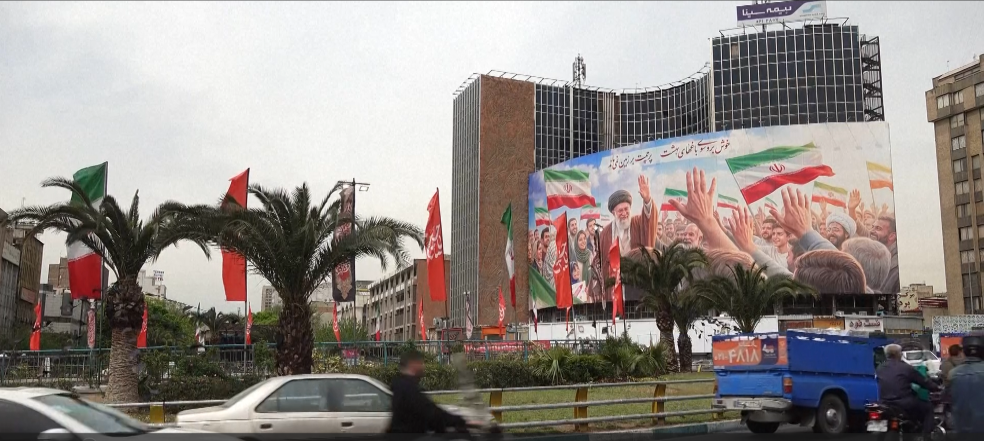
Iranian Officials Described The Negotiations As “Intensive” But Accused Washington Of Making “Excessive Demands,” Particularly Regarding The Strait Of Hormuz, The Vital Waterway Through Which One-fifth Of The World’s Oil Passes. Iran Had Blocked The Strait During The Conflict, Causing Global Oil Prices To Surge Sharply.
President Donald Trump, Speaking Earlier, Took A Combative Tone, Stating That The US Had Already “Won” On The Battlefield After Striking Iranian Leadership And Military Targets. “Whether We Make A Deal Or Not Makes No Difference To Me,” Trump Said.
Both Sides Indicated That Technical Experts Would Continue Exchanging Documents, With Iran Stating That Negotiations Would Proceed Despite Remaining Differences. However, Vance Made No Mention Of Resuming Talks In The Immediate Future.
The Outcome Of The Negotiations Carries Major Implications For The Fragile Ceasefire And The Reopening Of The Strait Of Hormuz, A Critical Chokepoint For Global Energy Supplies.