
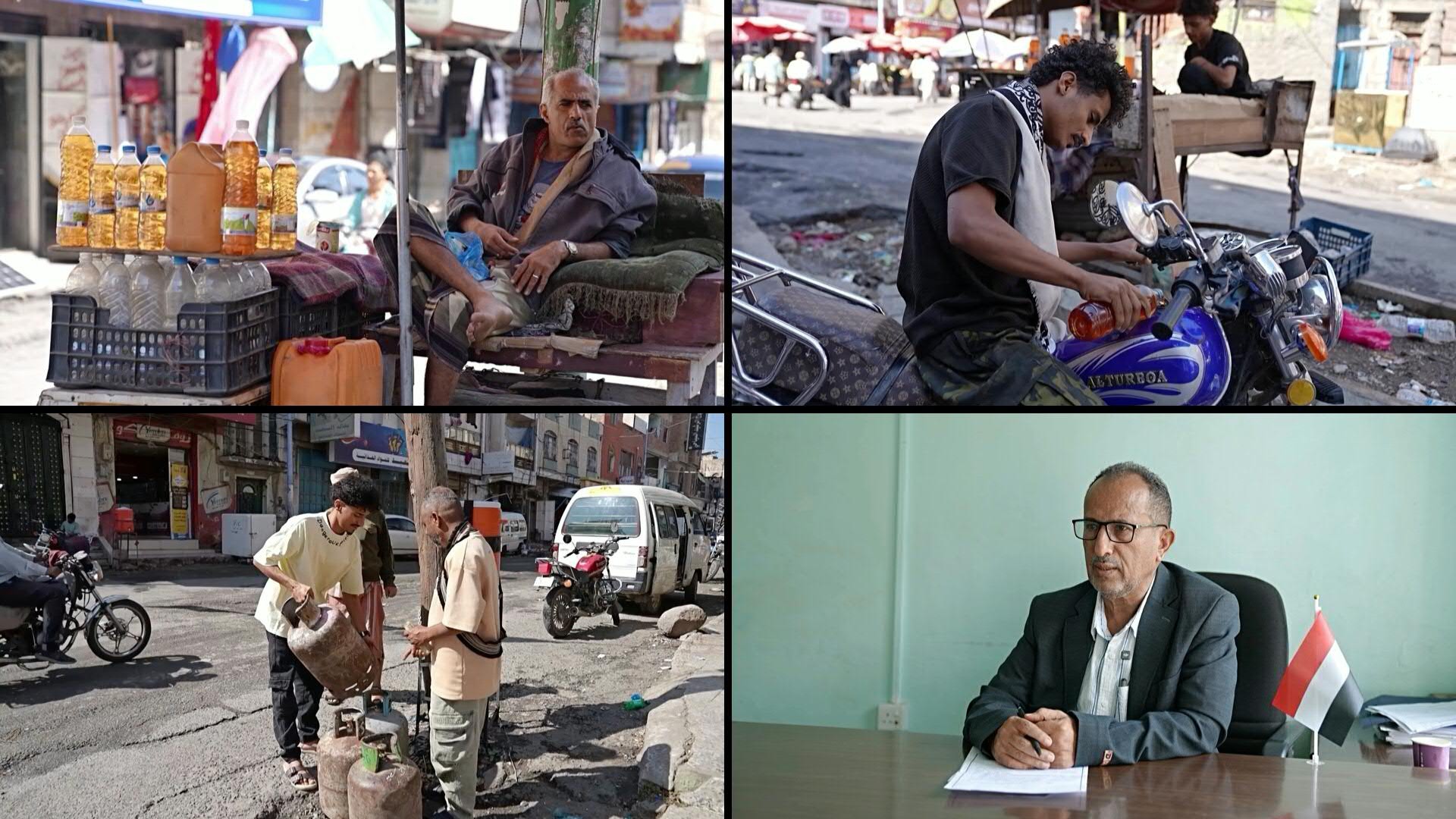
Residents of the Yemeni city say fuel shortages and soaring prices have forced them to depend on informal traders as Houthi forces restrict access to supply routes.
An expanding black market for petrol has emerged in Yemen’s southwestern city of Taiz, where residents are struggling with fuel shortages following a renewed siege by Houthi forces.
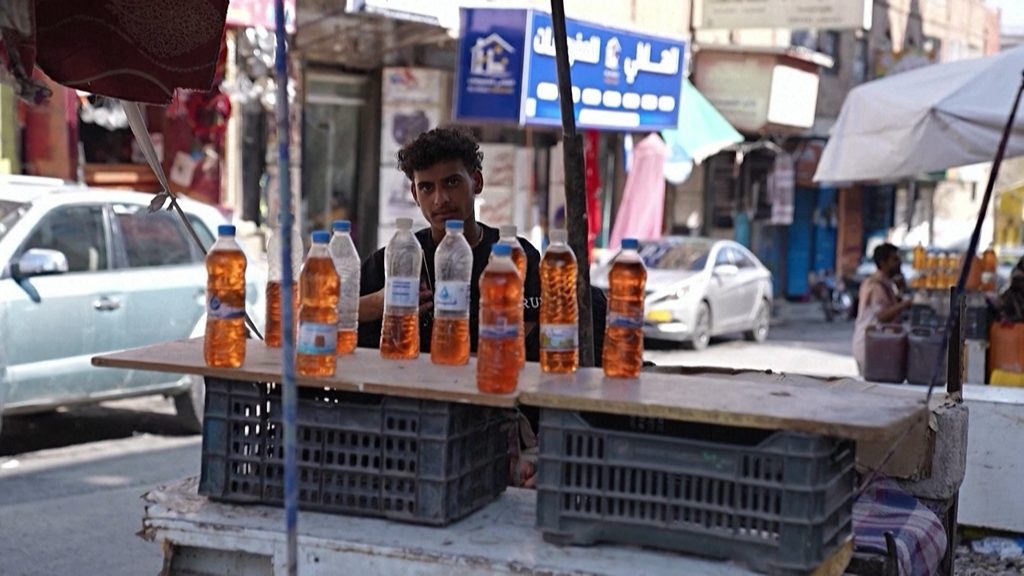
Street vendors, including men and children, openly sell petrol in plastic bottles and containers as supplies from government-held areas become increasingly difficult to obtain.
The blockade has disrupted commercial routes linking Taiz with areas controlled by Yemen’s internationally recognised government, leaving residents dependent on informal traders for essential goods.
“As for the black market, it is a necessary evil at this stage,” said Abdulwudoud Abdou, deputy director of the Industry and Trade Office in Taiz.
He described the siege as the biggest challenge facing the governorate, adding that the availability of goods through informal channels was preferable to having none at all.
Fuel prices have risen sharply. A 20-litre container of petrol has reportedly reached 55,000 Yemeni riyals in Taiz, compared with about 37,000 riyals in Aden, according to an AFP report. Some drivers have also complained about the quality of fuel sold on the black market, saying it has caused vehicle breakdowns.
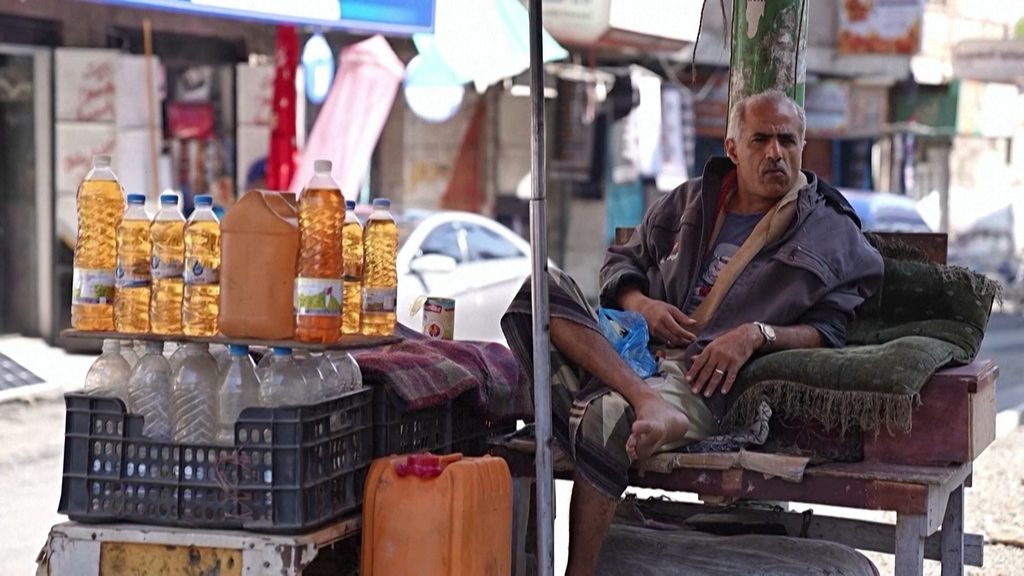
The shortage has extended beyond petrol to cooking gas and other essential commodities, with traders reportedly taking considerable risks to transport supplies through routes affected by fighting, shelling and sniper fire.
The Houthis have denied blocking essential supplies or civilian movement into Taiz. Mohammed al-Bukhaiti, a member of the group’s political bureau, told AFP that its restrictions were directed at weapons, while accusing other armed groups and traders of obstructing supplies.
Taiz, Yemen’s third-largest city by population, has endured years of conflict and restrictions on access since the country’s civil war escalated in 2014. Houthi forces imposed a devastating siege on the city between 2015 and 2016, restricting movement and the delivery of essential supplies. Although a partial easing followed, access remained difficult in subsequent years because of the group’s control over key roads and surrounding areas.
The humanitarian situation has continued to deteriorate, with the United Nations warning that road closures and insecurity are preventing fuel, food and medical supplies from reaching the city and surrounding areas.