
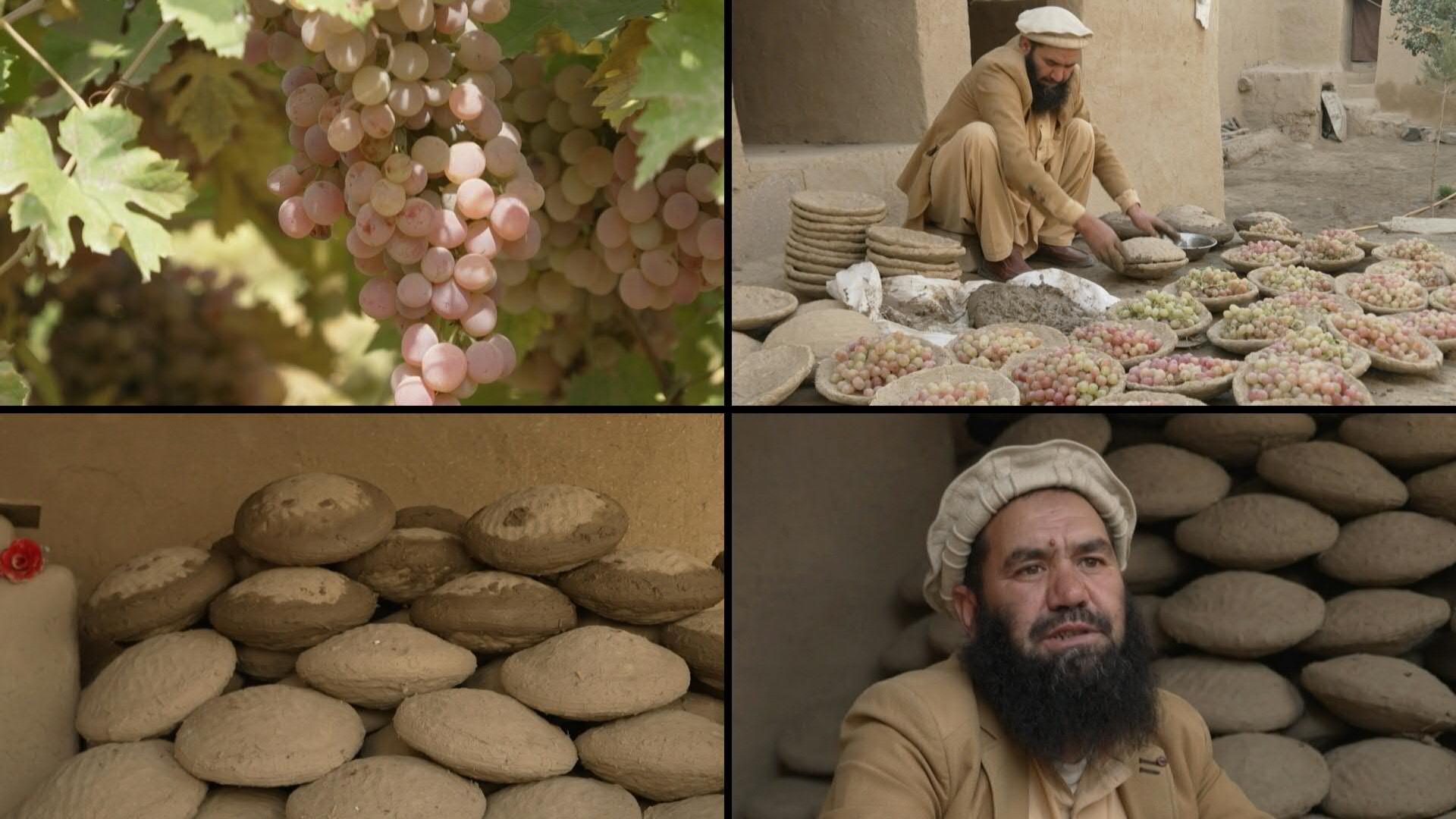
A centuries-old preservation technique using clay-and-straw containers allows Afghan families to enjoy fresh grapes during the cold winter months, keeping a treasured food tradition alive across generations.
On the outskirts of Afghanistan’s capital, Kabul, Muhammad Saber Shojaei is keeping an age-old tradition alive by preserving grapes for consumption during the harsh winter months.
The 47-year-old from Kalakan district carefully packs bunches of grapes into traditional containers known as kanginas, clay-and-straw discs designed to keep the fruit fresh long after the harvest season.
Crouched in front of dozens of the containers, Shojaei continues a practice passed down to him by his father, recalling the warmth and family gatherings that accompanied the winter delicacy.
“I remember the old days, when we sat together around the sandali (stove), eating kangina grapes and enjoying those happy moments,” he said.
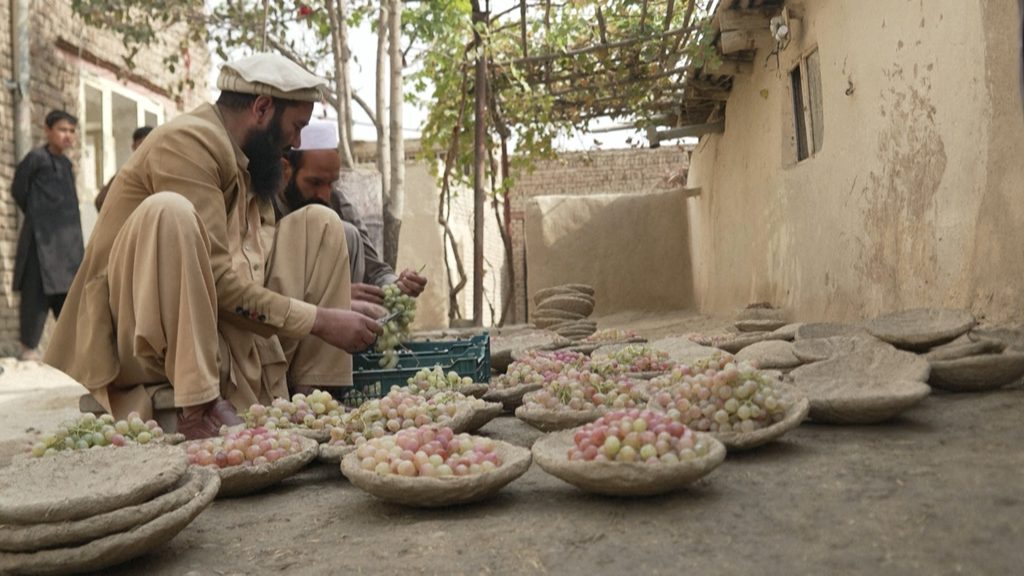
The kangina, also known as gangina, is a traditional Afghan food-preservation method believed to have been practised for centuries, particularly in communities around northern Kabul. It allows farmers to store fresh grapes harvested in autumn and keep them for up to six months, making the fruit available during winter and early spring when fresh produce is less abundant.
Beyond preserving food, the practice carries cultural and sentimental significance for many Afghan families, connecting generations through traditional knowledge and shared memories.
As modern food storage methods become increasingly common, Shojaei’s dedication to the technique reflects efforts to keep Afghanistan’s culinary heritage alive and pass its traditions on to future generations.
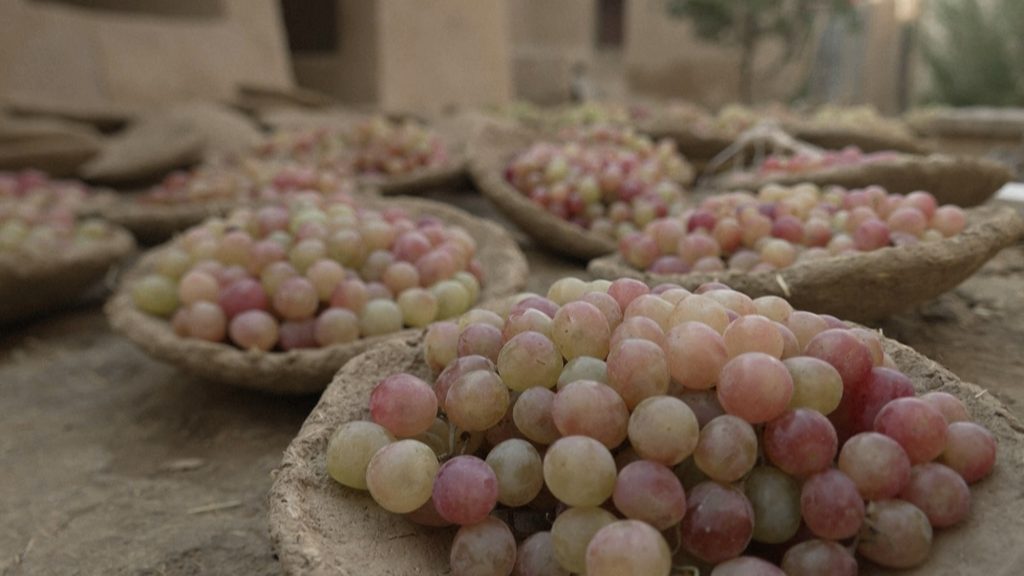
However, the practice faces the risk of disappearing as modern storage methods and changing agricultural conditions reshape rural livelihoods. In recent years, reports have highlighted its limited use and the need to document and preserve the knowledge for younger generations.