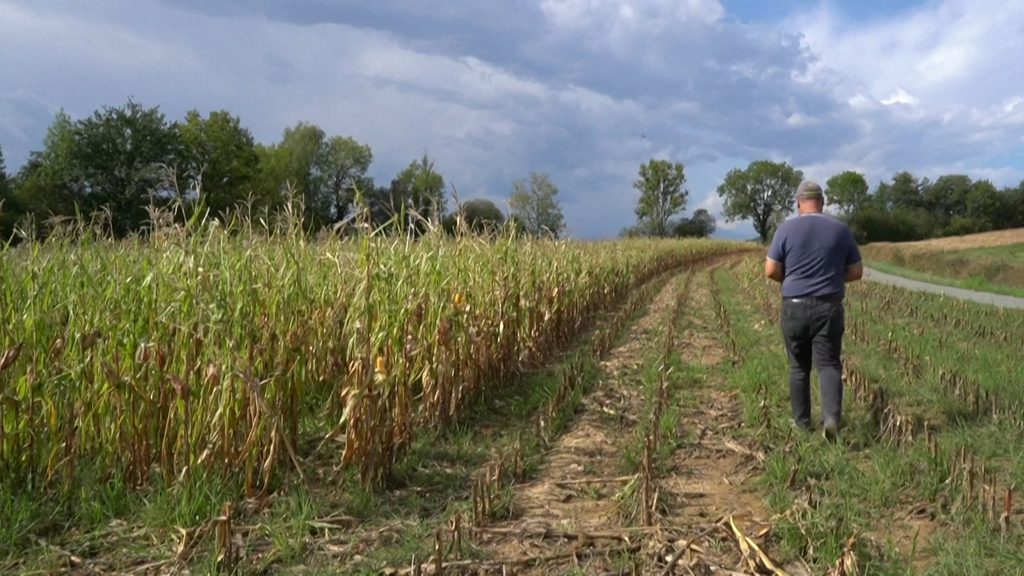

Successive heatwaves and severe drought are putting France’s maize farmers under growing pressure, with stunted crops, falling yields and rising production costs threatening an already difficult harvest season.
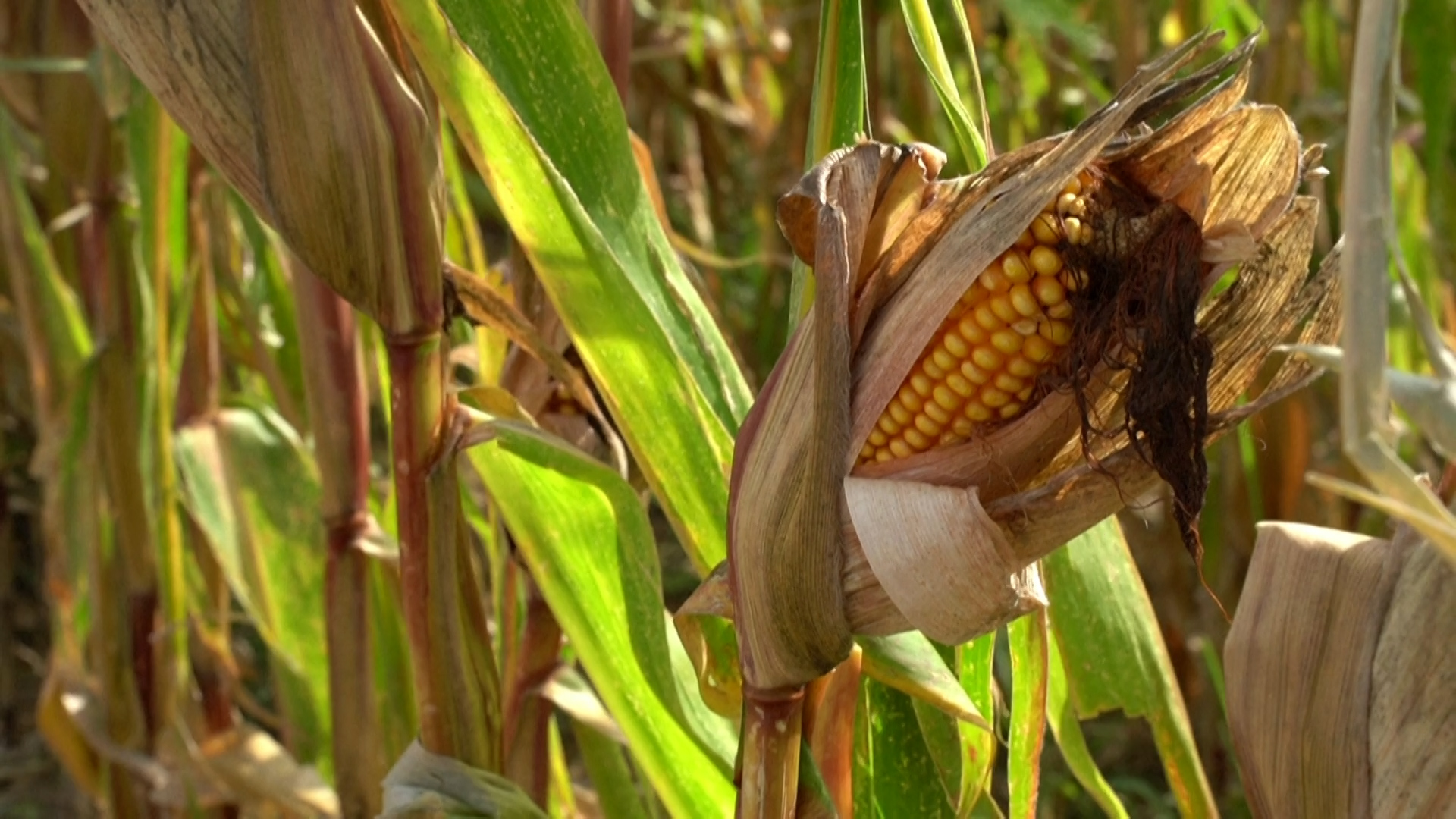
In one of his fields in southwest France, farmer Sébastien Maylin nervously examines a stunted maize cob, a stark sign of the damage caused by successive heatwaves. With crops suffering from heat and water stress, Maylin expects yields to fall sharply and says he may “barely recoup the cost” of the fertiliser and seeds.
Across the region, many plants have produced smaller-than-normal cobs, while some farmers facing drought have opted to harvest more maize as silage, cutting the entire plant—including leaves and stalk—to use as animal feed.
Successive heatwaves and record droughts across France have intensified pressure on the country’s agricultural sector, with maize among the crops worst affected. French maize production is projected to fall by at least 35% from 2025 levels, while independent analysts warn that losses in non-irrigated fields could be even more severe, potentially cutting the overall harvest to less than seven million metric tons—the lowest level recorded in decades.
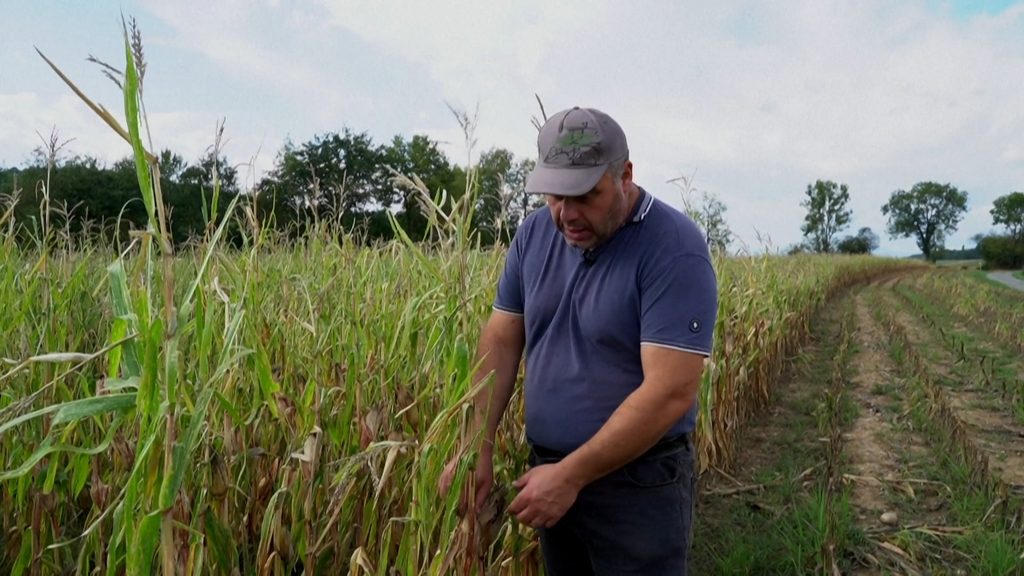
Unlike the historic 2003 European heatwave, which struck in August when many crops were already nearing maturity, the 2026 heatwaves arrived much earlier in the growing season. Temperatures regularly exceeding 35°C, combined with severe soil drought, hit maize during the critical flowering stage, stunting plant development and pushing crop health ratings to their lowest level in 13 years.
The impact extends beyond maize fields, with France’s overall agricultural production expected to decline by 8% this year, while fodder growth for livestock was already a third below normal by mid-August. The extreme weather is also expected to have a wider economic cost, with France’s finance ministry estimating that it could shave 0.1% off economic growth.
Environment Minister Monique Barbut has put the direct and indirect cost of the heatwaves at between €10 billion and €15 billion. Across Europe, the European Commission has also lowered its forecast for the EU maize harvest to 51.9 million metric tons, the bloc’s lowest projected output since 2007.
For farmers like Sébastien Maylin, the damage is already being felt in the fields, with smaller crops and rising costs threatening the viability of the harvest. As heatwaves and drought become more frequent and intense, France’s maize crisis is highlighting the growing challenge of adapting agriculture to a warmer and increasingly unpredictable climate.