

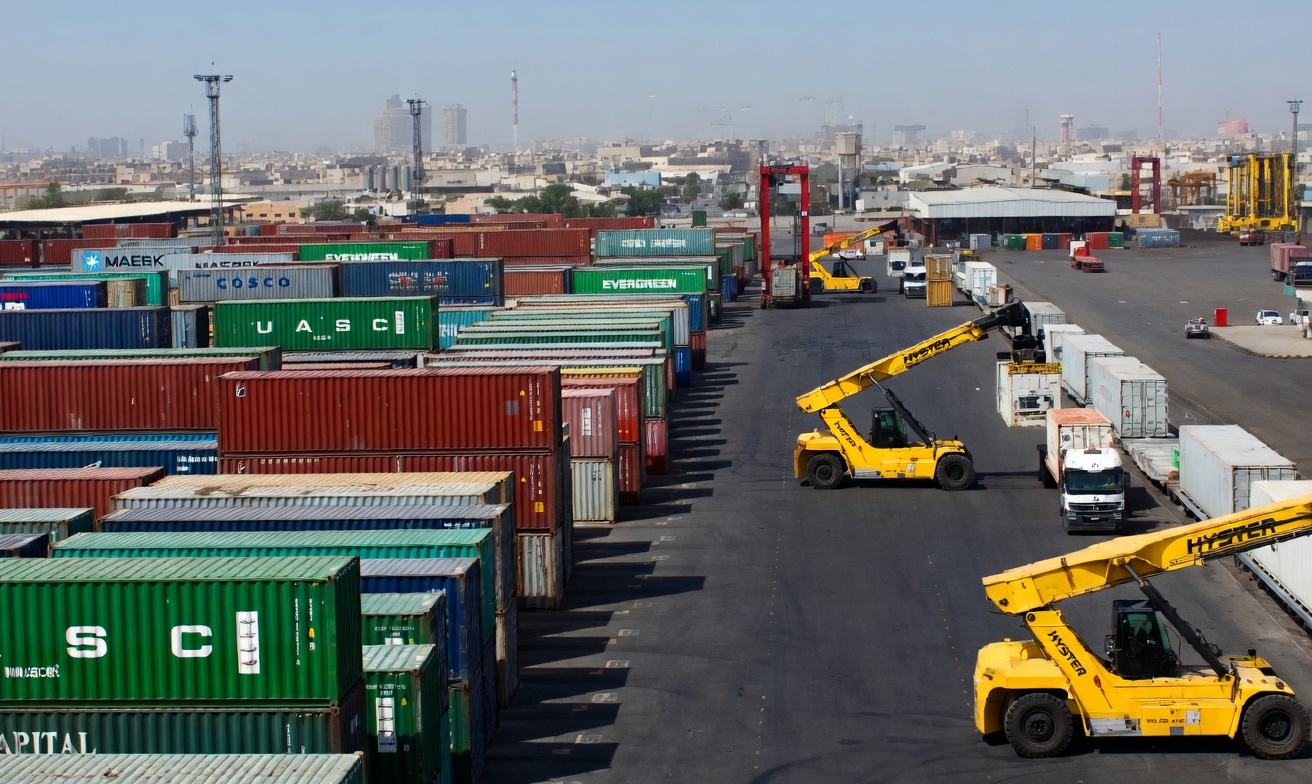
President Bola Ahmed Tinubu has approved the full operationalization of the Tsamiya Inland Dry Port in Kebbi State, a development that could open new opportunities for trade, agriculture and business activities in the North-West.
The approval was announced on Tuesday, November 17, 2026, during the All Progressives Congress (APC) presidential campaign rally at the Haliru Abdu Multipurpose Stadium in Birnin Kebbi.
The decision followed a request by Kebbi State Governor, Nasir Idris, who described the facility as an important project that could strengthen the state’s economy, attract investment and create employment opportunities.
For a state known for its agricultural activities and proximity to international borders, the proposed dry port could provide businesses with improved access to cargo handling and logistics services without having to depend entirely on facilities located along the coast.
An inland dry port is a cargo-handling facility located away from the seaports. It provides services such as storage, cargo handling, customs processing and the movement of goods between inland markets and seaports.
If successfully developed, the Tsamiya facility could make it easier for businesses in Kebbi and surrounding areas to transport goods, handle imports and prepare agricultural products for export.
What could it mean for farmers and traders?
Kebbi is one of Nigeria’s important agricultural states, with rice farming and other agricultural activities supporting the livelihoods of many residents.
However, getting agricultural produce from farms to major markets and export destinations can involve considerable transportation and storage challenges.
A properly functioning inland dry port could help address some of these difficulties by providing businesses with better access to cargo storage, handling and transportation services.
For farmers, processors and agricultural traders, improved logistics could make it easier to move products to wider markets. Businesses involved in rice production, packaging, warehousing and distribution could also benefit from increased commercial activities around the facility.
The project could equally create opportunities for transport operators, clearing agents, freight forwarders and other service providers who support the movement of goods.
Its location around the Tsamiya border area in Bagudo Local Government Area also gives it potential relevance to cross-border commerce between Nigeria and the Republic of Benin.
Can the project strengthen Northern trade?
Nigeria’s major seaports are concentrated along the southern coastline, meaning businesses in the North often depend on long-distance road transportation to move imported goods and export commodities.
An operational inland dry port could help bring some port-related services closer to businesses in the region, potentially reducing logistical difficulties and improving the movement of cargo.
For Kebbi, the project could also support wider commercial connections with neighbouring states and countries.
The Nigerian Shippers’ Council had previously been involved in efforts to advance the project alongside the Kebbi State Government and its promoters. Reports in August 2026 indicated that project documentation had been submitted to the Infrastructure Concession Regulatory Commission for processing.
The latest approval is therefore an important government commitment, but the next stages of implementation will determine how quickly businesses can begin using the facility.
During the rally, Tinubu also promised to support other infrastructure and agricultural projects in the state. These included the completion of key roads, support for rice mills in Birnin Kebbi, Argungu, Bagudo and Yauri, as well as the rehabilitation of the Goronyo-Argungu irrigation scheme and the Zauro Polder Project.