
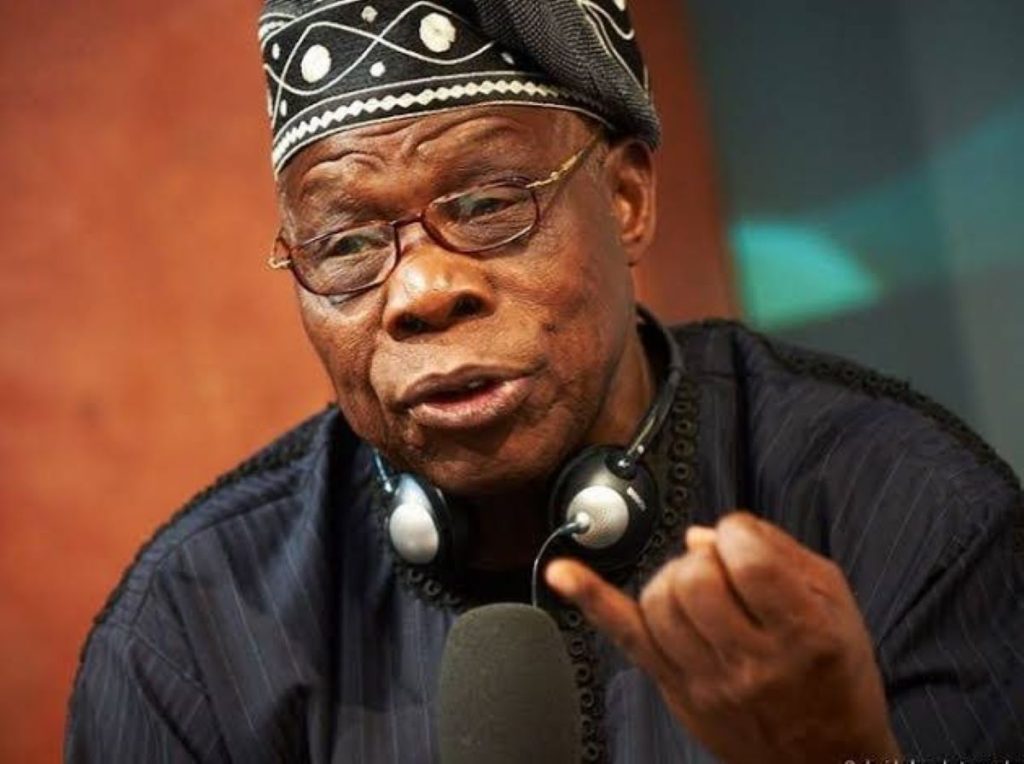
Former President Olusegun Obasanjo has criticised President Bola Tinubu’s handling of petrol subsidy removal, questioning whether the government made adequate preparations before introducing a policy that would affect the daily lives of millions of Nigerians.
Speaking during an interview with News Central Television, Obasanjo argued that major economic decisions should not be announced without first putting measures in place to protect citizens from the hardship that may follow.
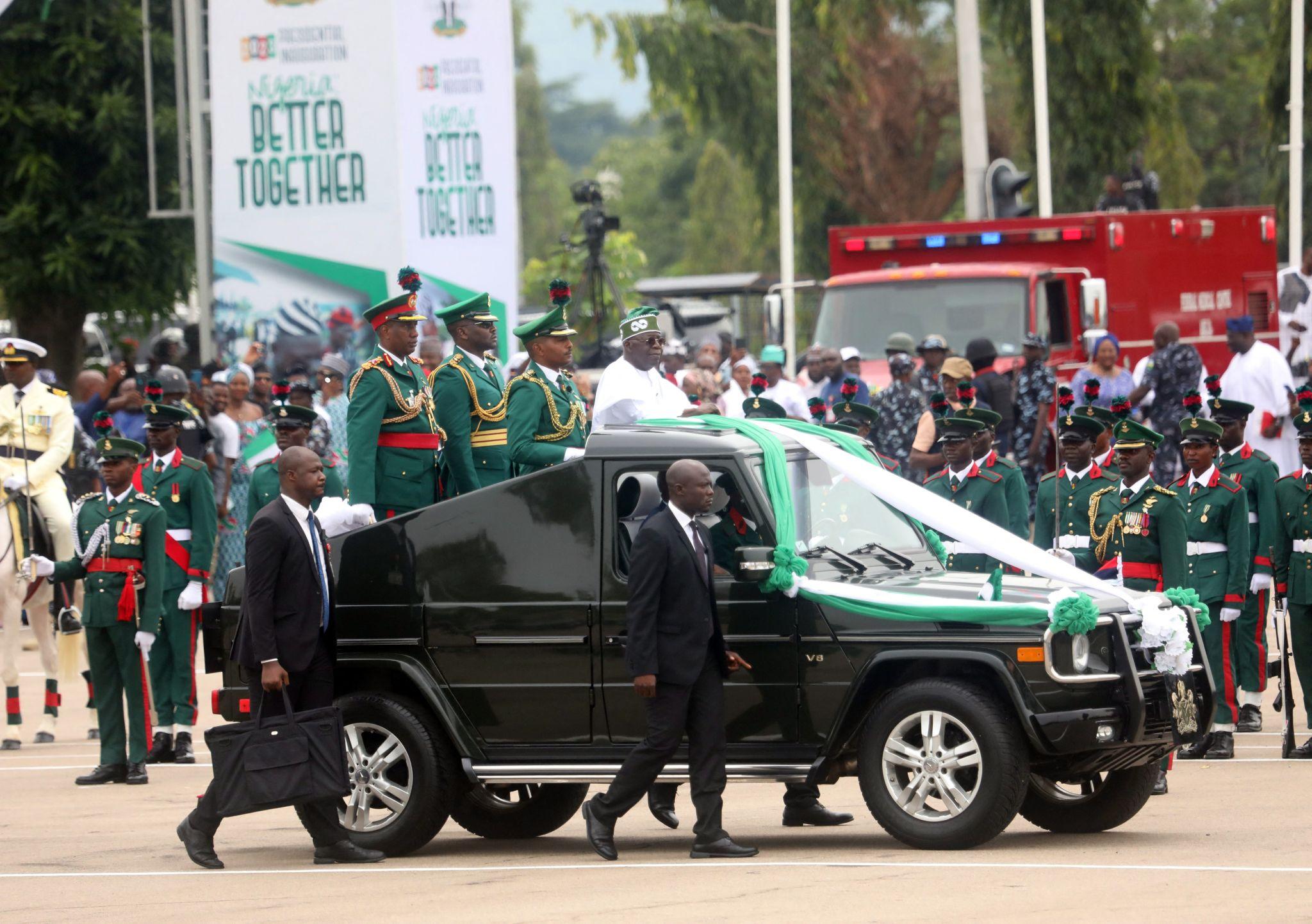
He pointed to the removal of petrol subsidy, which Tinubu announced during his inauguration on May 29, 2023, as an example of what he described as poor planning.
According to the former president, a government should understand the likely consequences of a major policy before implementing it and make arrangements to reduce the pressure on ordinary people.
“A serious leader studies the shock before he acts. He stocks buffers. He phases the pain so that ordinary people do not suffer at once,” Obasanjo said.
He added that a prepared president would not announce the end of subsidy on the first day in office and begin looking for relief measures months later.
The former president’s comments have brought renewed attention to one of the most debated decisions of the Tinubu administration, particularly the question of whether enough was done to prepare Nigerians for the economic impact.
Recall, when Tinubu announced that petrol subsidy was gone, the decision was followed by a sharp increase in petrol prices. The higher cost of fuel also put pressure on transportation, food distribution and the cost of running businesses.
For many households, the effects went beyond what they paid at filling stations. Transport fares increased, the cost of moving goods rose, and families had to adjust their spending to cope with higher living expenses.
The Federal Government has defended the removal, maintaining that the subsidy had become too expensive to sustain and that the money could be redirected towards infrastructure and other public services.
However, the debate has continued over whether the government introduced enough support measures to protect low-income earners from the immediate consequences.
Obasanjo’s criticism centers largely on this question.
Beyond the subsidy issue, the former president also raised questions about the Tinubu administration’s three-point agenda, asking who designed it and what it was expected to achieve.
He also urged Nigerians to think carefully about their choices ahead of the 2027 general elections, arguing that the country’s future would depend partly on the quality of leaders citizens choose, placing emphasis on preparedness, competence and the ability to consider the consequences of major decisions.
While the Tinubu administration has maintained that its economic reforms are necessary for the country’s long-term stability, Obasanjo’s latest comments raise an important question: how should Nigerians assess the success of a policy when its long-term benefits are still being weighed against the hardship many citizens have experienced?