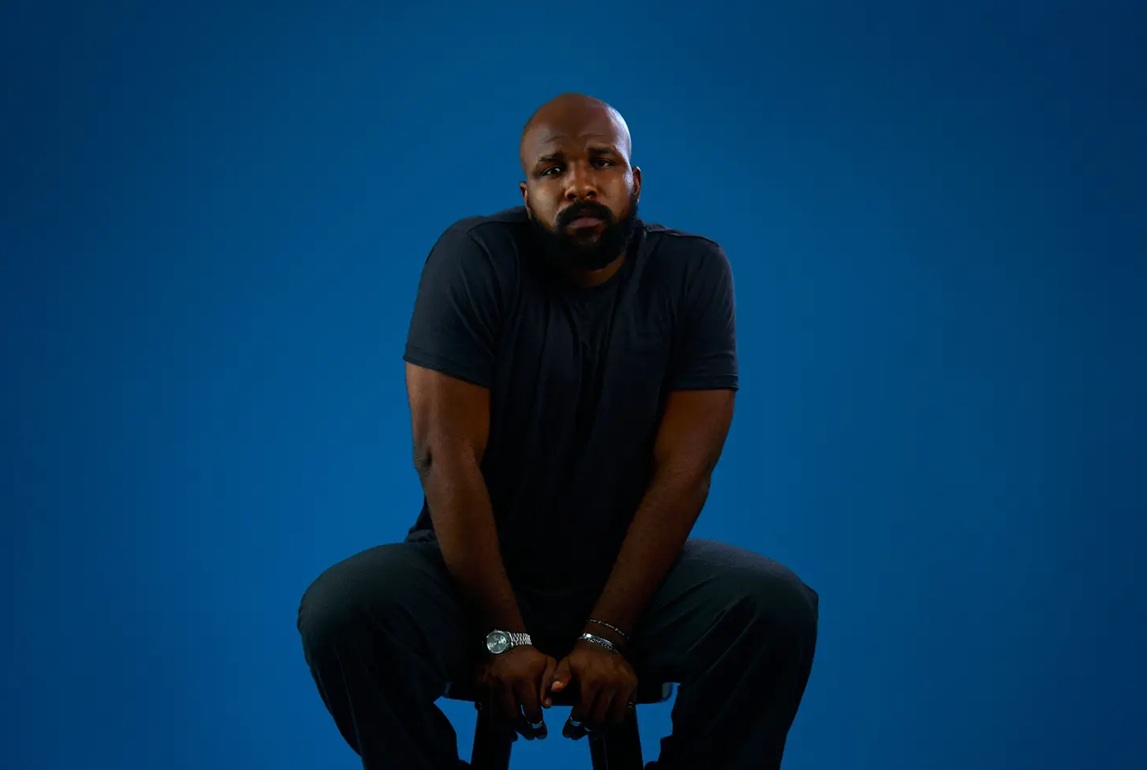

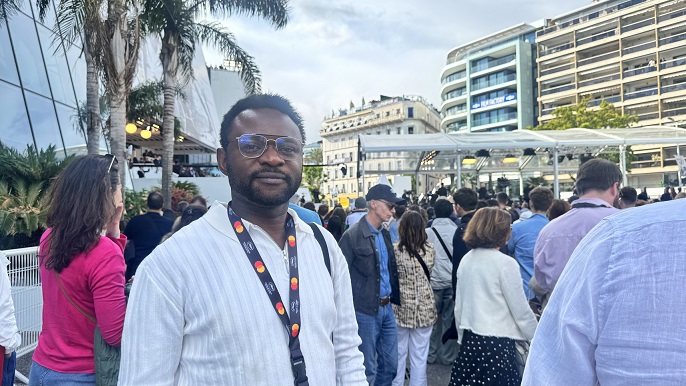
Bem Pever is the founder of Take 7 Media and Entertainment, an Abuja-based Nigerian film and television production company. With an impressive portfolio that includes directing and producing acclaimed titles such as Sons of the Caliphate, 4th Republic, Maia, Halita, The Rishantes, Kariya, and Hidden Riches, Bem has established himself as a leading voice in the industry. In May 2026, his feature film A Land Apart was selected for screening at the Cannes NiFS x CACOP Creative Africa Content Pavilion Best of Africa Film Showcase. Reflecting on his Cannes experience, Bem described it as a career-defining moment and emphasized the importance of telling authentic Nigerian and African stories to a global audience.
How does it feel being a part of Cannes Film Festival, and what were your impressions?
Honestly, it was surreal. Cannes is not just a festival; it is the centre of the global film industry for those two weeks, and standing in the middle of it as a Nigerian filmmaker from Abuja felt both humbling and galvanising. The scale of it, the energy, the sheer concentration of talent and industry from every corner of the world it forces you to ask bigger questions about your own work. My overall impression was that the world is genuinely hungry for authentic African stories. That hunger is real.
Can you tell us about the film or project you showcased, and the challenges of bringing a Nigerian film to an international audience?
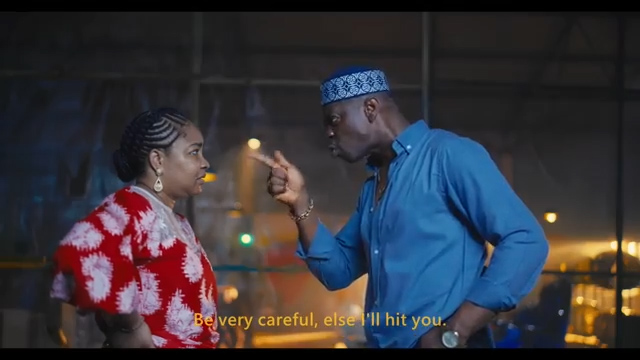
I was there with A Land Apart, a Nigerian political drama set among the Tiv people of Benue State in an alternate Nigeria, where Nigeria never discovered oil but built on agriculture. Samira Buhari served as executive producer, with Emil Garuba as the writer and Sally Williams as producer. I took on the roles of both producer and director for the film. It screened at the NiFS x CACOP Creative Africa Content Pavilion Best of Africa Film Showcase. The film stars Richard Mofe-Damijo, Onyeka Onwenu, Princess Mufeedah, Sam Dede, Daniel Etim Effiong, Iveren Antiev, Ronya Man, Frank Donga, Ummi Baba Ahmed, Preach Bassey, Gloria Lemmy Johnson, Anthonieta Kalunta and many others.
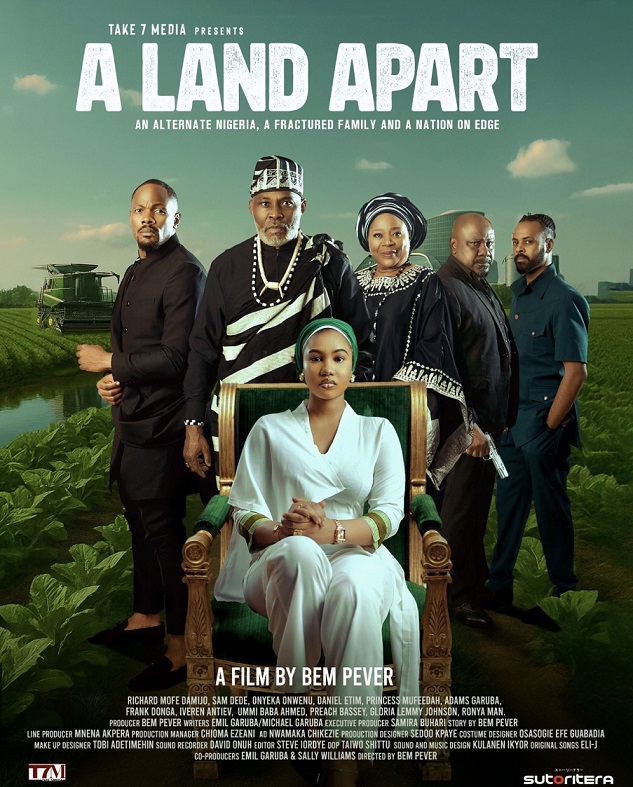
The challenge of bringing a Nigerian film internationally is primarily one of access and positioning. The work itself is strong — we know that. The harder work is getting the right people in the right rooms to see it, and ensuring that when they do, it is packaged and presented in a way that speaks their market language while remaining entirely true to its Nigerian soul. That tension is real, and navigating it takes both creative confidence and strategic patience.
What opportunities did the festival open for you as a Nigerian filmmaker, and how can festivals like Cannes help elevate African and Nigerian cinema?
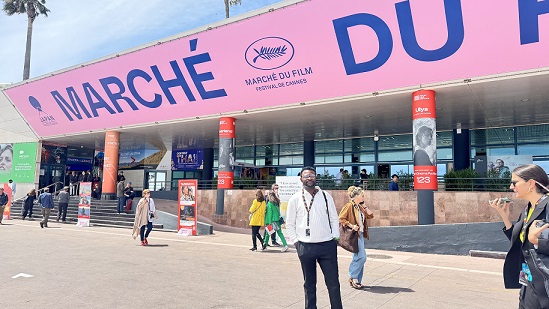
Cannes opened conversations that would have taken years to initiate through conventional channels. I was at the Marché du Film, which is the largest film market in the world, and the access to distributors, buyers, co-producers, and broadcasters in one place is unparalleled. Meetings that could define the next two years of your career can happen in the same afternoon.
For African and Nigerian cinema specifically, festivals like Cannes matter because they shift the perception of what African film is. We are not a niche. We are not a development story. We are a fully realised, commercially viable, artistically sophisticated film culture, and every Nigerian film that holds its own in Cannes strengthens that argument for every filmmaker who comes after us.
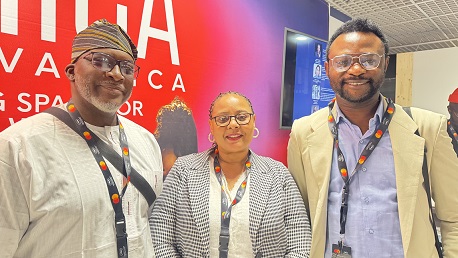
What unique perspectives do you think African filmmakers like yourself bring to the global film industry?
We bring specificity. The rest of the world understands that the most universal stories are also the most specific ones, stories rooted in a particular place, a particular culture, a particular way of experiencing power, family, faith, and identity. We bring that specificity from one of the richest, most complex, and most varied cultural landscapes on earth.
I also think we bring an urgency. Nigeria is the most populous Black nation on the planet, a country of extraordinary creative energy, navigating enormous political and social questions in real time. That is not background. That is subject matter.
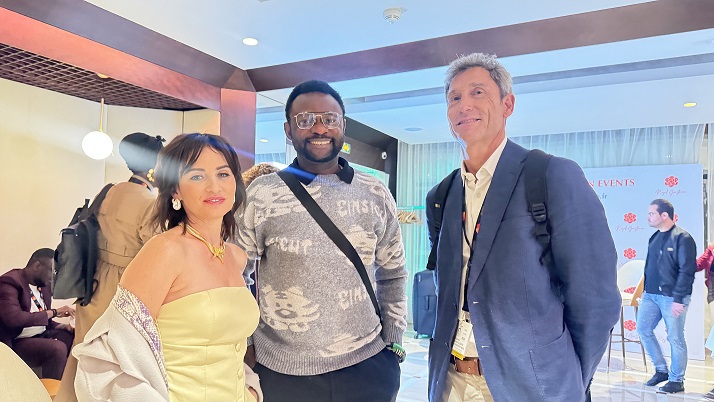
What were your most memorable moments at Cannes, and what films from other countries inspired you?
The most memorable moment for me was the screening itself — watching A Land Apart on that platform, in that company, and feeling the room respond to a story rooted entirely in Nigerian soil. That was personal in a way that I will carry for a long time. Beyond that, the conversations were extraordinary. Being in a room at the Marche where filmmakers from Italy, South Korea, Brazil, and Japan are all negotiating the same fundamental question how do we tell our truths and reach the world with them was deeply affirming. As for inspiration, I was drawn to films that handled political complexity with emotional intimacy. That intersection is exactly what I am working toward in everything I make.
What is next for you after Cannes?
A Land Apart is moving toward its formal global release. So far the film has been selected for officially screening at several international film festivals including the Zanzibar International Film Festival, The Roma African Film Festival in Italy, and so many others. The film will be first released in Nigerian cinema nation-wide in October 2026, distributed by Nile Entertainment, then eventually released globally. Beyond that, I am in active development on several projects under Take 7 Media, including Lord Piver, a twenty-six-episode political drama series set at a private country club in Abuja, which traces thirty years of power and conspiracy through two extraordinary female protagonists. I am also developing Hanalu, a television drama series set in the 1980s Tiv culture.
Cannes confirmed something I already believed: there is a global audience waiting for precisely the kind of work we are building. The task now is simply to build it, at the standard the world expects and the quality our stories deserve.