
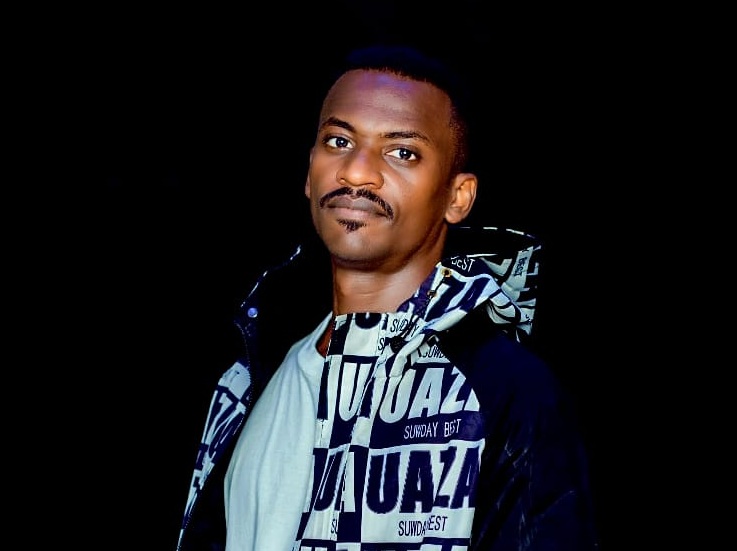
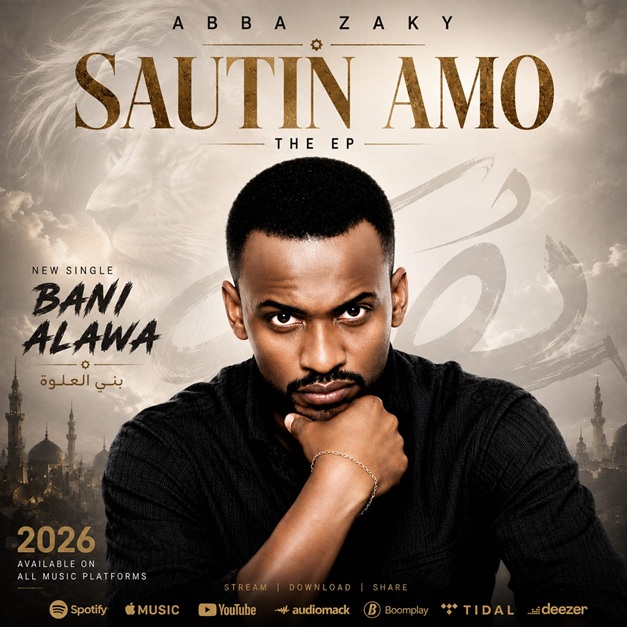
Marking his birthday this month, Abba Zaky reflects on his journey from a young dreamer in Kano to an acclaimed actor known for his standout role in Netflix’s The Herd, while revealing the story behind his return to music with Sautin Amo.
What inspired you to incorporate music into your creative journey?
Interestingly, music didn’t come after acting—it came before it. I actually started singing long before I became known as an actor. But as life unfolded, acting opened its doors first, and I followed where God was leading me. I’ve always believed that timing is everything. Now that the time feels right, I’m returning to a part of myself that has always existed. This isn’t me trying something new; it’s me revealing something that has been there all along.
What is the story behind your EP title, Sautin Amo, and what does it represent?
Sautin Amo literally means “The Sound of Noise.” At first, it sounds like a contradiction, but that’s exactly the point. We live in a world full of noise—opinions, expectations, distractions, and pressure. This EP represents finding your own voice within all that noise and allowing it to be heard.
Every song explores a different emotion and experience, but together they tell one story: staying true to yourself despite the chaos around you. The project wasn’t rushed. It took months of writing, recording, rewriting, and refining. I wanted every lyric and every melody to feel intentional. I’d rather release something timeless than something fast.
As an actor, you’re used to bringing characters to life, how different is it expressing your own emotions through music?
Acting and music are both forms of storytelling, but they demand different kinds of honesty. As an actor, I step into someone else’s life and tell their story. In music, there’s nowhere to hide. Every lyric, every note, and every silence reflects a part of me.
Music is much more personal because the audience isn’t meeting a character—they’re meeting the person behind the character. That vulnerability is both challenging and beautiful.
Kannywood has always maintained a close relationship with music. How has growing up within the industry influenced the way you shape and project your own sound?
Growing up around Kannywood exposed me to the power of storytelling through music. Songs weren’t just entertainment—they carried emotion, culture, and identity. That definitely shaped me. At the same time, I didn’t want to simply recreate what already exists. My goal is to blend Hausa musical identity with fresh sounds and contemporary production while remaining authentic. I want people to hear where I come from, but also hear where I’m going.
Whether through film or music, what kind of impact do you hope your work will have on audiences? What feelings or messages do you hope they take away from your art?
I hope my work leaves people with something that stays long after the screen goes dark or the music stops playing. Whether it’s hope, courage, reflection, or simply comfort, I want people to feel seen. Success is wonderful, but significance matters more to me. If one person finds strength because of a character I played or a song I wrote, then I’ve achieved something meaningful.
If this EP introduces fans to a different side of you, what do you hope they discover about you or your artistry through these songs?
I hope they discover authenticity. Many people know me as an actor, but this EP reveals another side of who I am—a storyteller who also speaks through music.