
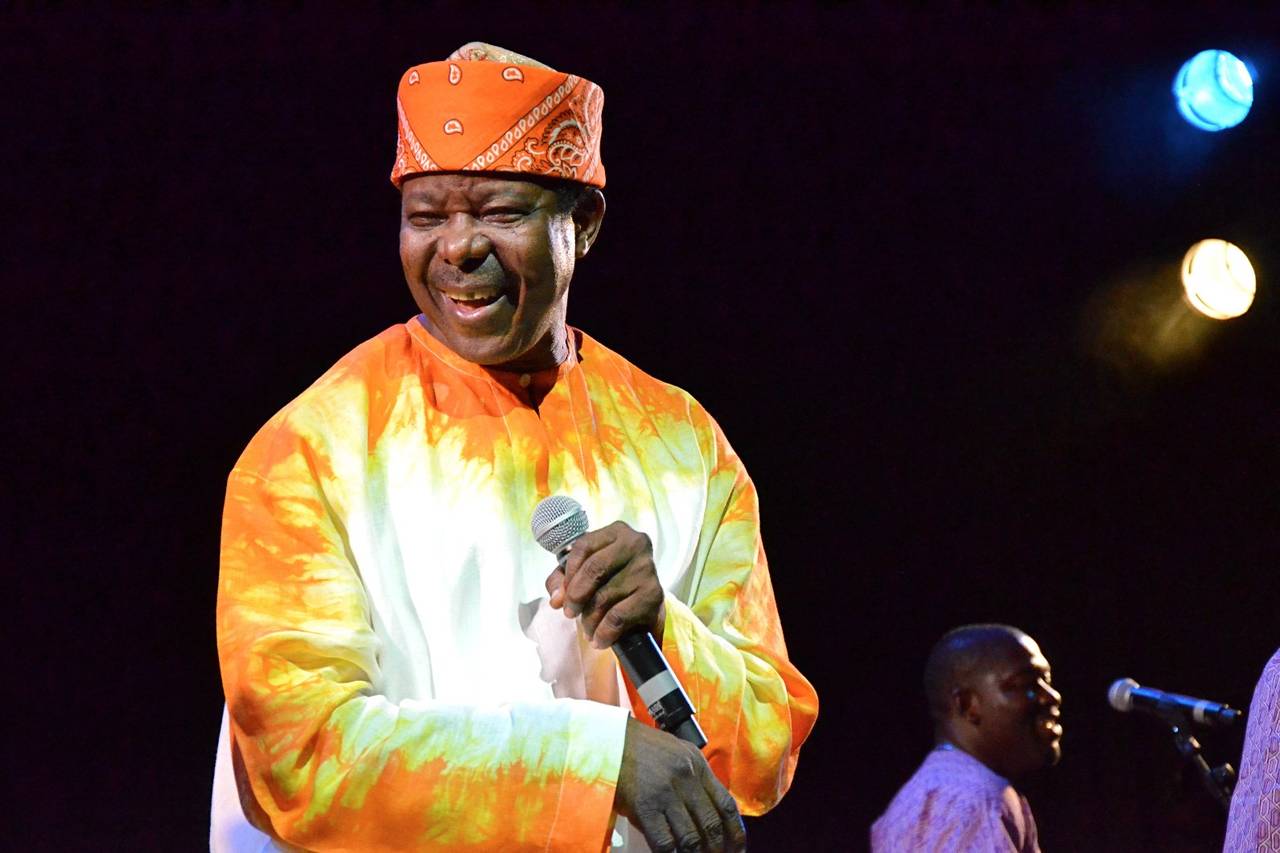
From the dance halls of Nigeria to international stages, King Sunny Ade has spent more than six decades transforming Jùjú music into a sound that crossed borders, connected cultures and introduced generations of listeners around the world to the richness of Yoruba musical traditions.
Born Sunday Adeniyi Adegeye on September 22, 1946, in Osogbo, present-day Osun State, Sunny Ade grew up to become one of Nigeria’s most influential musicians. His career has stretched across generations, taking him from the early days of highlife and Jùjú music to the international music industry, where he became one of the African artists to attract significant attention from audiences outside the continent.
His journey into music began in the late 1960s after leaving school and joining Moses Olaiya’s highlife band. He later formed his own group, the Green Spots, in 1967, beginning a career that would eventually establish him as one of the leading figures in modern Jùjú music.
His international breakthrough came in the 1980s, when his music attracted the attention of Island Records, one of the major international record labels of the period. His 1982 album Juju Music introduced his sound to a much wider audience, with the record becoming an important moment in the international visibility of Nigerian music. It was followed by Synchro System in 1983, an album that earned him a Grammy nomination and further established his reputation beyond Africa.
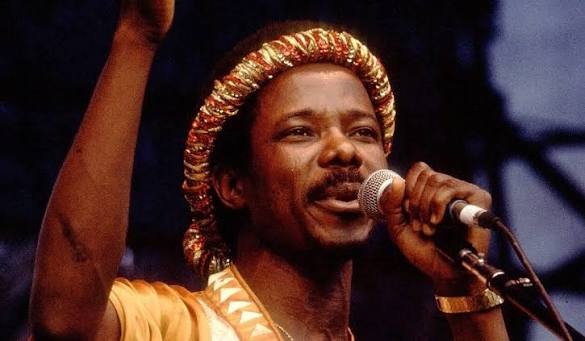
His international profile also brought him into contact with some of the biggest names in global music. He collaborated with musicians including Stevie Wonder and appeared on international stages at a time when African music was still fighting for a larger presence in the global mainstream. These encounters helped position KSA as a cultural ambassador whose music offered international audiences another entry point into Nigeria and its diverse musical traditions.
Now, at 80, King Sunny Ade’s career offers a window into the evolution of Nigerian music itself. Long before Afrobeats became a global phenomenon, he was taking a distinctly Nigerian sound to audiences abroad and showing that music grounded in local identity could travel across continents.
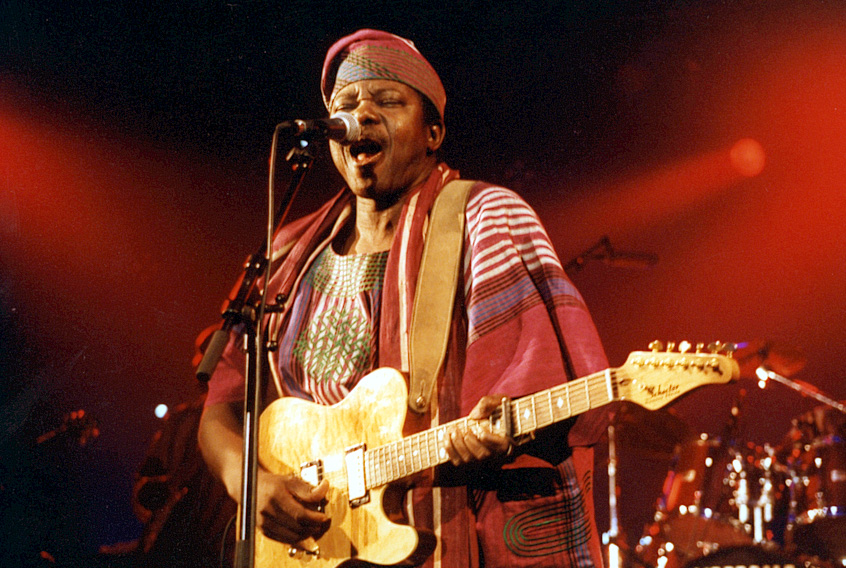
From Jùjú clubs and Nigerian stages to international record stores, Grammy recognition and global concert halls, his journey helped open space for African music in the international conversation. Eight decades after his birth, King Sunny Ade remains a symbol of how one artiste’s commitment to his sound and culture helped carry Nigerian music far beyond its borders.