
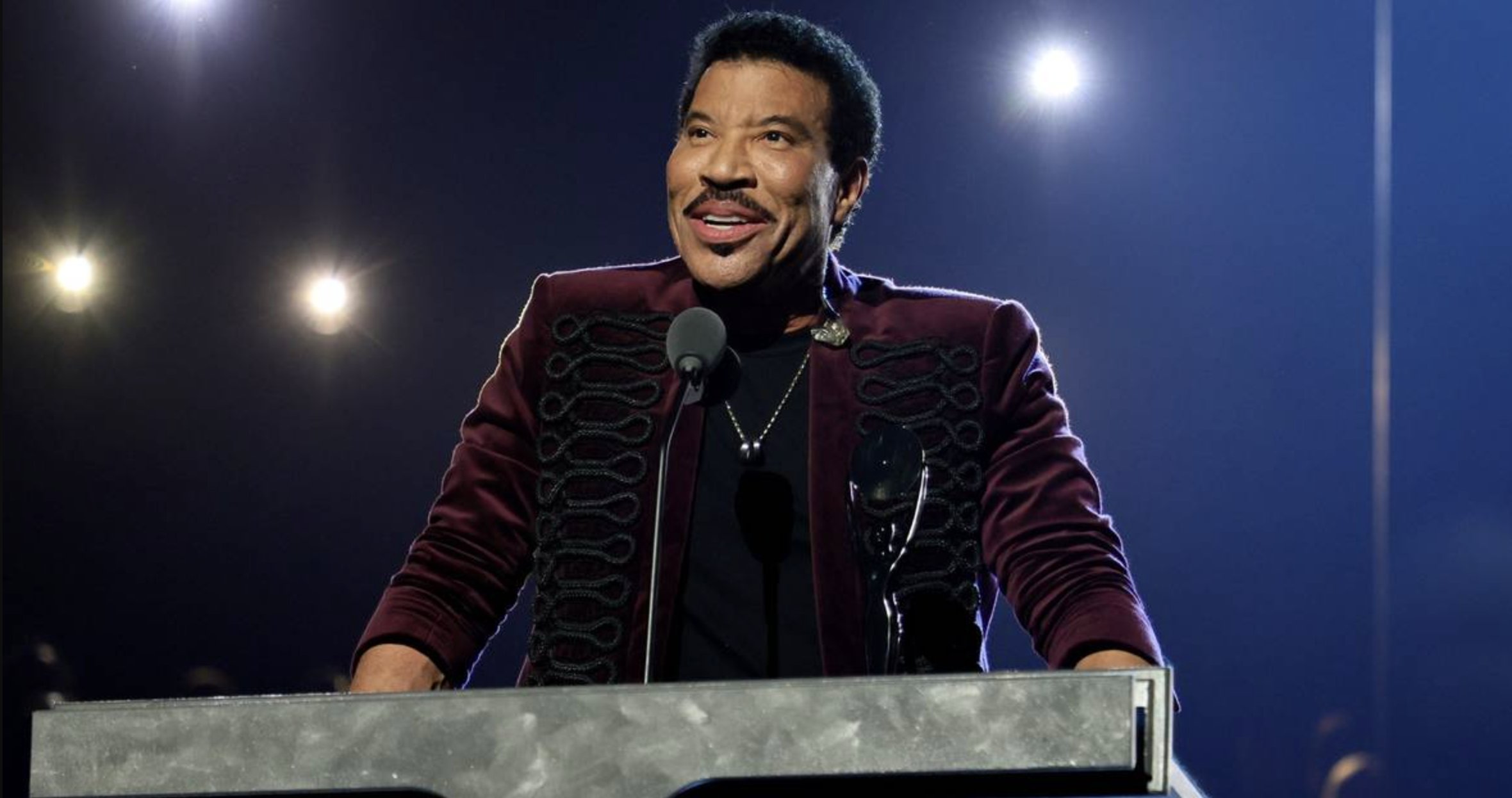
Legendary singer Lionel Richie has taken steps to trademark the sound of his voice and several of his iconic lyrical phrases, aiming to protect his identity from unauthorized AI voice cloning and deepfakes. This move comes amid growing concerns over the misuse of celebrity voices and likenesses in artificial intelligence-generated content.
According to applications filed with the U.S. Patent and Trademark Office, Richie’s legal team is seeking to trademark the sound of his voice delivering four instantly recognizable phrases from his back catalog: “Hello, is it me you’re looking for?”, “Easy Like Sunday Morning”, “All Night Long”, and “Say you, say me.”
Similarly, on April 24, 2026, TAS Rights Management, on behalf of Taylor Swift, filed applications at the U.S. Patent and Trademark Office for sound marks featuring her saying specific conversational phrases such as “Hey, it’s Taylor Swift” and “Hey, it’s Taylor.” This move reflects a growing trend among high-profile artists to legally protect their distinctive vocal signatures in the age of AI and digital media.
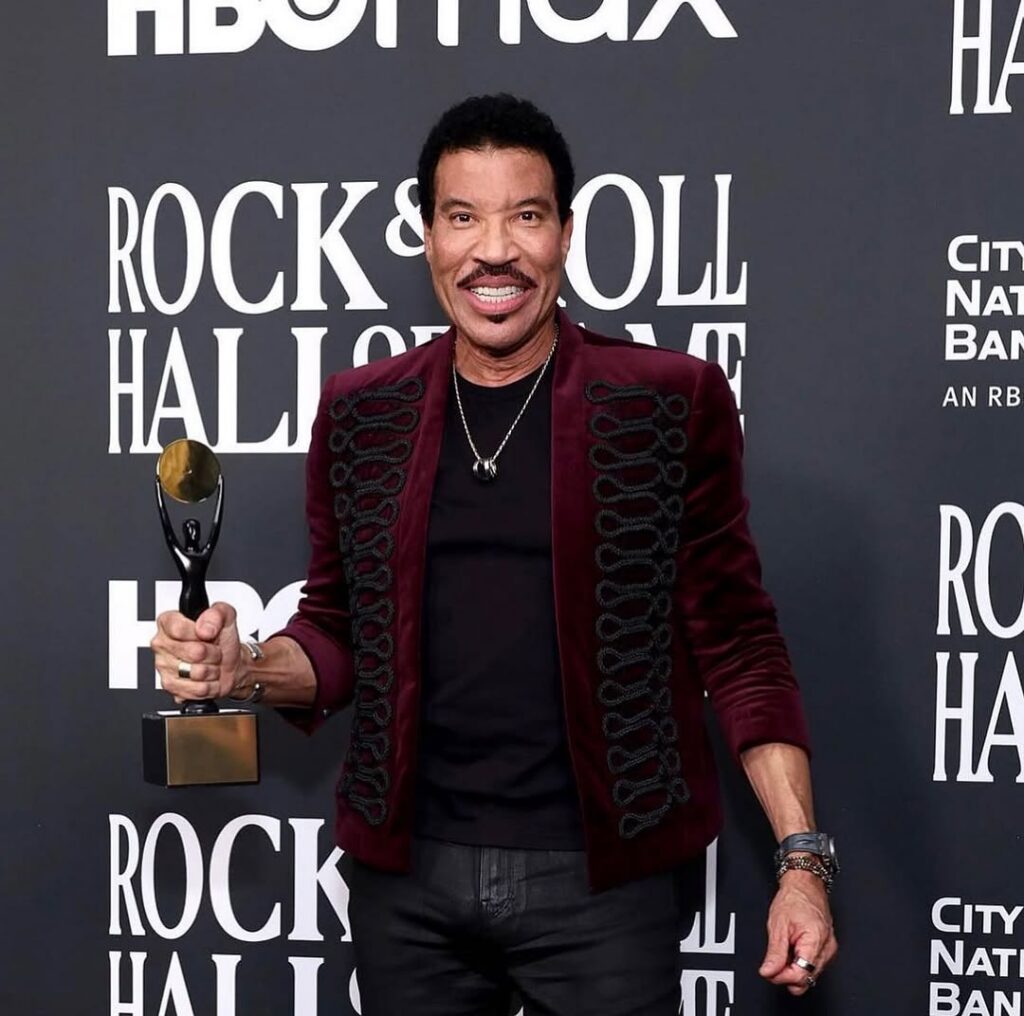
These filings specify that these audio trademarks would be used in connection with stage performances, entertainment information services, interviews, and related websites, thereby legally establishing that these specific vocal stylings are intrinsically linked to Richie’s personal brand.
By obtaining these “sound marks,” Richie’s team is establishing provenance—legal proof that his voice is inseparably tied to his personal brand. This move grants him federal standing to pursue legal action or request takedowns against malicious deepfakes that use his vocal likeness. While song lyrics are protected by copyright, trademarks serve as brand identifiers. By asserting that his unique vocal delivery acts as a “source identifier”—the unmistakable sound that confirms it is truly Lionel Richie—he secures broader rights to restrict the commercial use of AI-cloned media that mimics his voice.
Traditionally, trademark law does not allow for the protection of a general singing voice or sound. However, trademarking specific vocal catchphrases, signature sounds (such as Pitbull’s famous yell), or distinctive spoken audio clips creates a legal pathway for artists to sue AI companies and fraudsters who exploit their personal identity and likeness for commercial gain. While obtaining a voice trademark remains costly and challenging—especially for independent or emerging artists—Lionel Richie’s move underscores a growing shift in the industry toward safeguarding digital identity in the age of artificial intelligence.
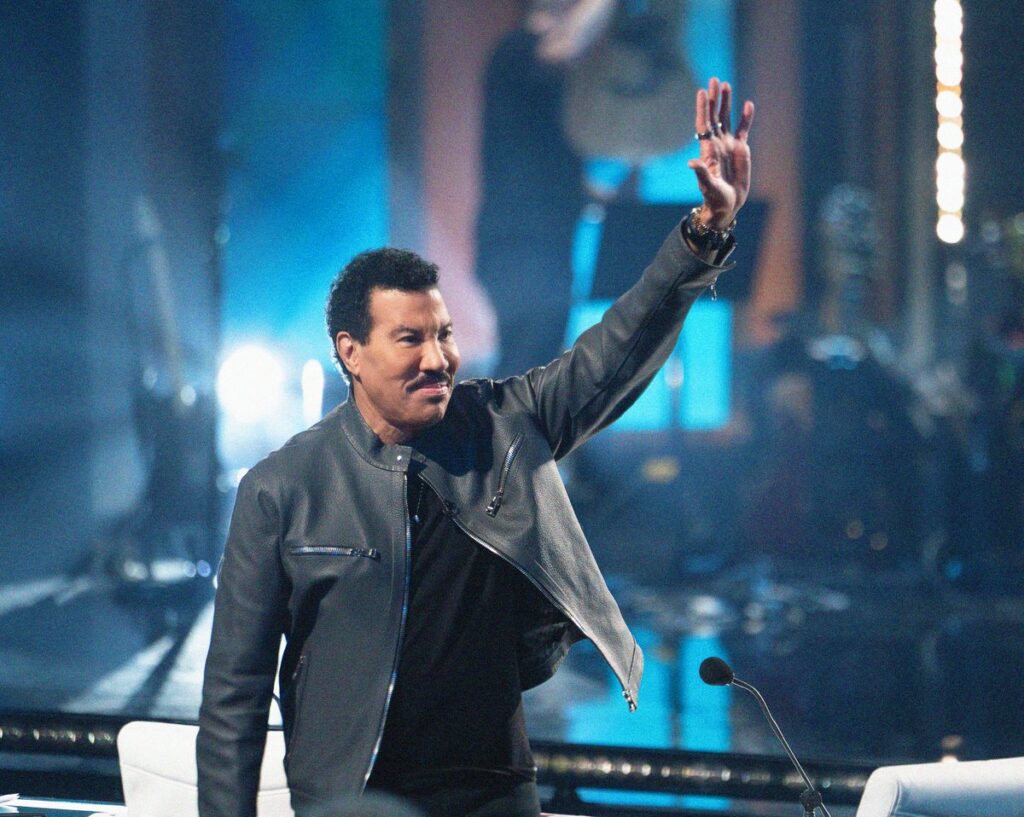
Lionel Richie’s music and entertainment career spans more than five decades. He first rose to fame in the 1970s as the frontman of the legendary funk and soul band The Commodores before launching a successful solo career in 1982. As of 2026, Richie has also become a familiar face on television, serving multiple seasons as a beloved judge on the hit TV singing competition American Idol.