
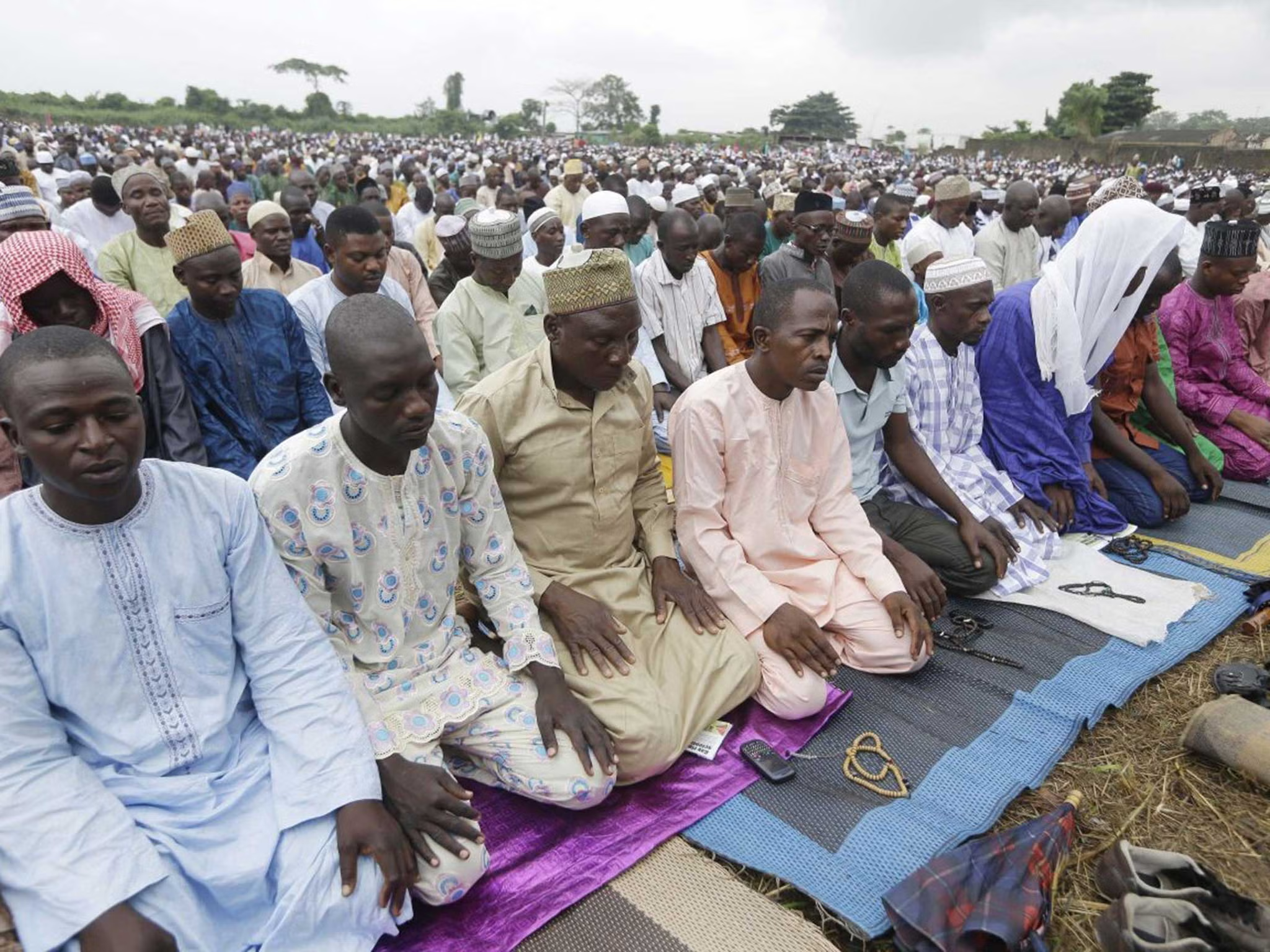
Today marks another significant occasion for Muslims around the world as the faithful commemorate the birth of Prophet Muhammad. Beyond the prayers, gatherings and other activities associated with Eid-el-Maulud, the occasion provides an opportunity to reflect on the life, teachings and enduring legacy of the Prophet.
Born in Makkah around 570 CE, Muhammad lost his father before his birth and his mother at a young age, and was subsequently raised by his grandfather and uncle. As he grew, he became known for his honesty and trustworthiness, earning the title Al-Amin, meaning “the trustworthy.” At about 25, he married Khadijah bint Khuwaylid, who became his first wife and an important source of support throughout the early years of his mission.
At about 40, Prophet Muhammad received his first revelation through the Angel Jibril (Gabriel), marking the beginning of his prophethood. He preached the worship of one God while emphasising values such as justice, compassion, honesty, patience and care for the vulnerable.
Despite facing opposition and persecution in Makkah, he continued his mission and later migrated to Madinah in 622 CE, where he established a Muslim community and provided religious and social leadership. His return to Makkah and the forgiveness extended to many of his former opponents are also remembered as important aspects of his life.
As Muslims commemorate his birth, the occasion offers not only a time for celebration, but also a moment to reflect on the values he championed and how his example of faith, compassion, forgiveness, justice and peaceful coexistence can continue to influence individuals, families and communities today.
Beyond the Celebration, What Should Muslims Take Away from the Celebration?
Muslims should take the opportunity to reflect on the life and character of Prophet Muhammad and ask themselves how they can apply his teachings in their daily lives. The Prophet was known for his honesty, patience, compassion, forgiveness, justice and concern for the weak and vulnerable. Remembering his birth should therefore encourage us to improve our own character, strengthen our relationship with Allah and improve the way we treat other people.
The occasion should also remind us that faith is not only about what we say or how we celebrate, but about how we live. We should show kindness to our neighbours, care for those in need, forgive others, avoid injustice and promote peace wherever we find ourselves. If the lessons of the Prophet’s life remain with us after the celebration, then we have understood the deeper meaning of the occasion. Eid-el-Maulud should move us from celebration to reflection, and from reflection to positive action.
Eid-el-Maulud therefore provides an opportunity to reflect on the importance of living peacefully with others, respecting people of different faiths and showing kindness to neighbours and members of the community. It is also a reminder to care for the vulnerable, including the poor, orphans, widows and families facing difficult circumstances, through acts of charity and support.
The occasion also offers lessons on responsible leadership and peaceful conflict resolution. Whether in the home, workplace, religious organisation or wider society, those entrusted with responsibility can lead with fairness, honesty and concern for others
As Muslims mark Eid-el-Maulud, the occasion offers more than a moment of celebration; it is also a reminder to reflect on the values of Prophet Muhammad and how they can shape everyday life.
From compassion and honesty to peace, tolerance and care for others, the lessons of his life remain relevant. The true message of the occasion, therefore, lies in carrying these values beyond the celebration and making them part of how we live and relate with one another.