
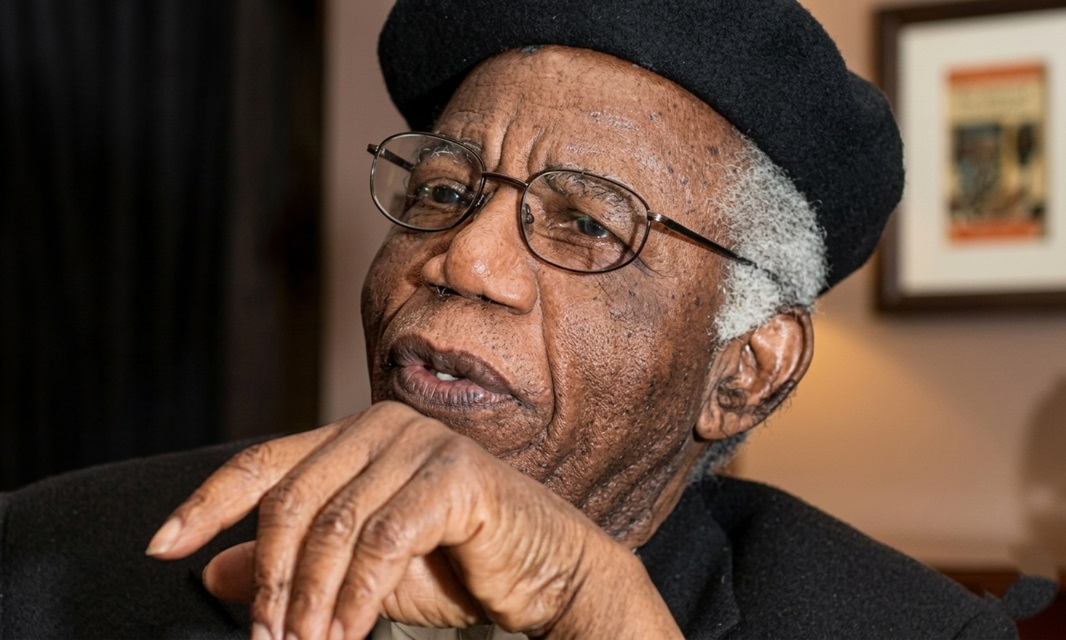
Chinua Achebe remains a monumental figure in the Nigerian consciousness, serving as a novelist, essayist, poet, and critic who fundamentally altered the trajectory of global literature. Born in Ogidi in 1930, Achebe used his craft to challenge prevailing colonial narratives, positioning himself as a central architect of modern African expression.
A Visionary Life and Career
Often celebrated as the “father of African literature,” Achebe’s influence extends far beyond the borders of Nigeria due to the profound resonance of his work. His career was defined by a commitment to African dignity, using his intellectual platform to critique the impact of British colonial rule on Igbo society and the broader Nigerian experience.
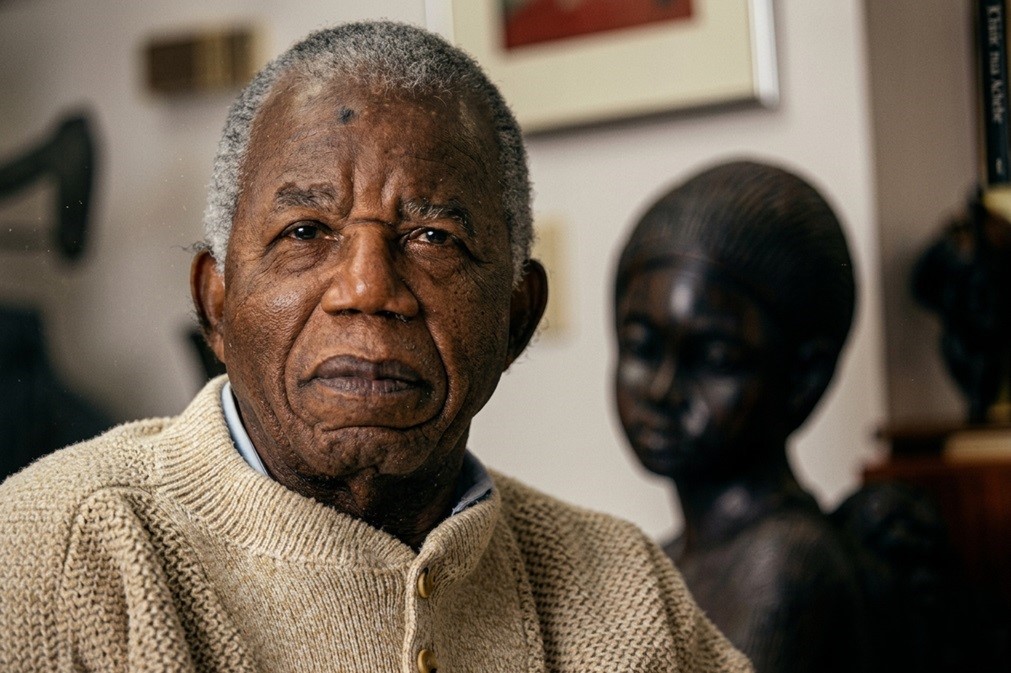
Achebe’s literary journey concluded in 2013 when he passed away in Boston, but his influence continues to shape generations of writers who seek to represent the African continent from an authentic perspective.
Defining Works of African Literature
Achebe’s bibliography is a cornerstone of global curriculum, noted for its stark and honest portrayal of colonial disruption. His most significant contributions to literature include:
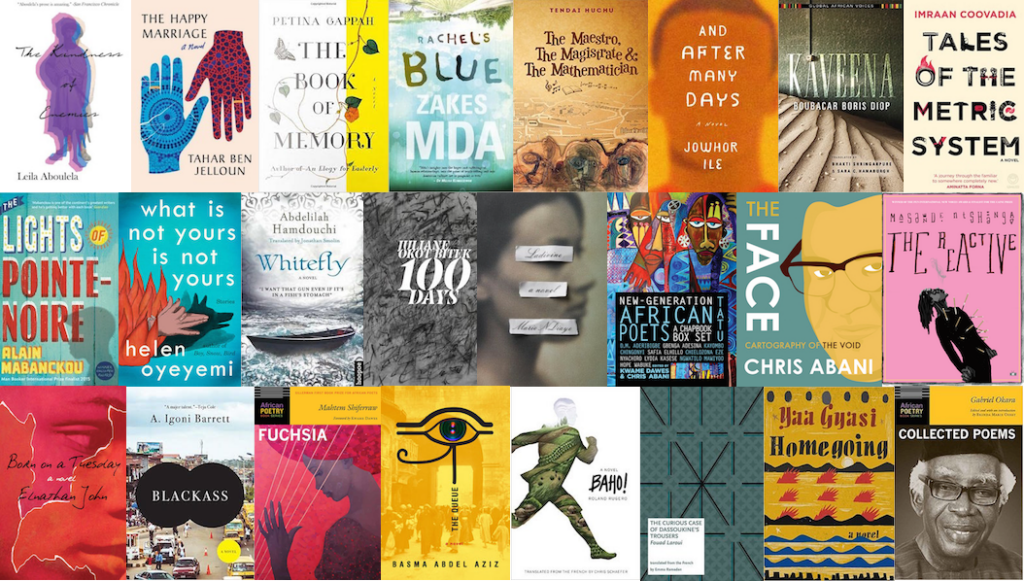
- Things Fall Apart (1958): His most famous work, widely read for its depiction of the cultural and social changes within an Igbo community under colonial pressure.
- No Longer at Ease (1960): A continuation of the themes of societal transition.
- Arrow of God (1964): An exploration of authority and religious belief.
- A Man of the People (1966): A satirical look at post-colonial political life.
- Anthills of the Savannah (1987): A critical examination of power and governance.
Fast Facts: Chinua Achebe
- Born: 1930, in Ogidi, Nigeria.
- Died: 2013, in Boston.
- Legacy: Recognized as the founding editor of the African Writers Series, which provided a crucial platform for emerging writers across the continent.
- Primary Objective: He aimed to defend African dignity and critique colonialism through fiction and essays.
Redefining the African Perspective
Beyond his individual novels, Achebe’s role as the founding editor of the African Writers Series proved instrumental in promoting African voices globally. By centering African life through an African lens, he effectively dismantled colonial stereotypes that had dominated world literature for decades.
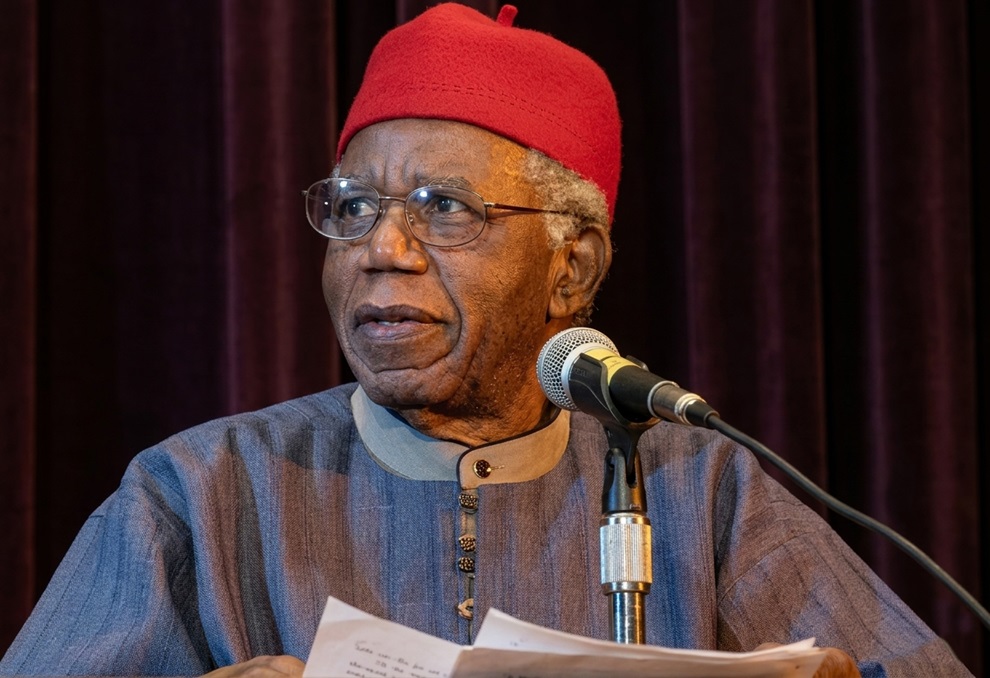
Social Call-to-Action: Chinua Achebe’s work is a vital part of our national heritage. Which of his novels resonated most with your understanding of Nigerian history? Let us know your thoughts on our official NTA social media channels.