
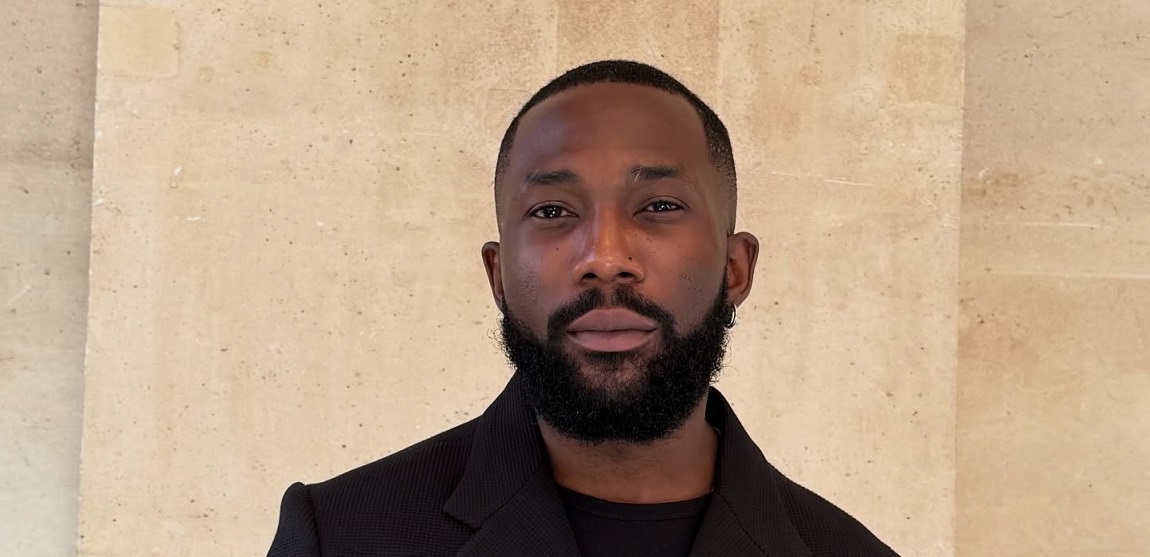
With over 21 years of professional experience, chef, entrepreneur and founder of TÓYÈ RO, Daniel Olurin discusses his journey from the kitchen to fashion, the influence of global travel on his work, the future of Nigeria’s creative industries, and why he believes Africa’s greatest contribution to the world lies in its culture, language and craftsmanship.
As a starter to this interview, despite your new venture into fashion, what inspired you to become a Chef?
Interestingly, I never saw becoming a chef as simply learning how to cook. It was my introduction to culture, hospitality and the idea that creativity could bring people together.
Growing up, I became fascinated by the way food could tell stories. Every ingredient, technique and recipe carried history. A meal could communicate identity long before anyone spoke. That fascinated me.
What truly attracted me to the profession was the combination of craftsmanship and service. Cooking demanded discipline, precision and humility. You spend hours creating something that disappears in minutes, but the memory remains with people for years. There is something profoundly beautiful about that.
Looking back now, I realise food was my first language of design.

Which of your trips had some level of influence on your culinary journey and how do you balance being authentic with innovation when drawing inspiration from different cultures?
Every place I have travelled has left something with me.
Japan taught me restraint and respect for process. France demonstrated that technique is a language in itself. Italy reinforced the beauty of simplicity. Across different parts of Africa, I was reminded that tradition is not something to modernise for the sake of relevance, it is something to understand deeply.
Those experiences shaped my philosophy.
I don’t believe authenticity and innovation are opposites. Innovation without understanding often becomes imitation. Authenticity without curiosity can become stagnant.
For me, the responsibility is to study a culture deeply enough to appreciate why something exists before attempting to contribute anything new. Whether I am creating a dish or designing a garment, I try to begin with respect before originality.
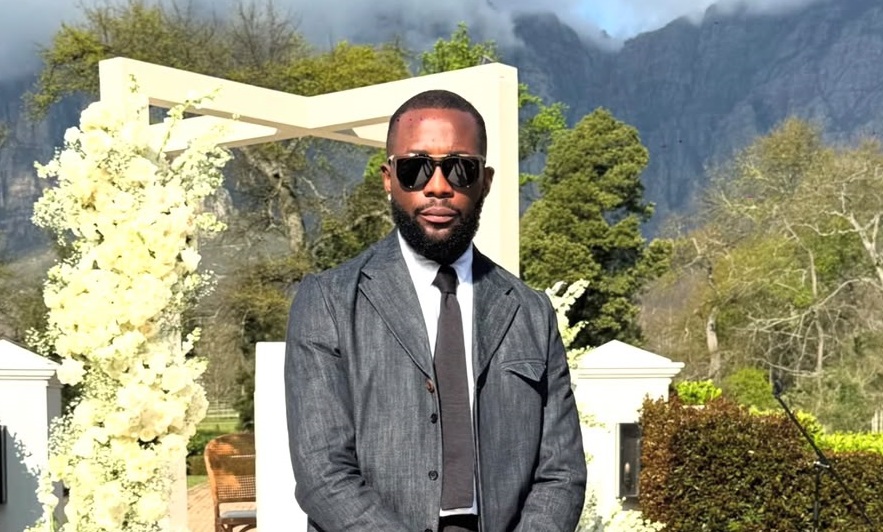
Building a career as a professional Chef must be a lot in the Nigerian environment. What was it like for you?
It was challenging, but incredibly rewarding.
When I started, the creative industries were still developing their structures. There weren’t many clear career paths, and many people underestimated the professionalism required to build a career in food. There were long hours, financial uncertainty and constant pressure to prove that creativity could also be commercially viable.
At the same time, those challenges forced me to become entrepreneurial. I learned leadership, business development, branding, partnerships and how to build ecosystems rather than simply products. Looking back, every challenge became preparation for what I am building today.
How has social media changed the culinary business in Nigeria?
Social media has completely transformed the industry.
It has democratised visibility. Today, a talented young chef in Lagos can reach audiences around the world without waiting for traditional gatekeepers. However, it has also created an environment where aesthetics can sometimes overshadow substance.
Beautiful food is important, but great hospitality goes far beyond what fits inside a photograph.
I hope the next generation continues using social media as a tool for storytelling rather than simply chasing virality. The strongest brands are built on values, not algorithms.
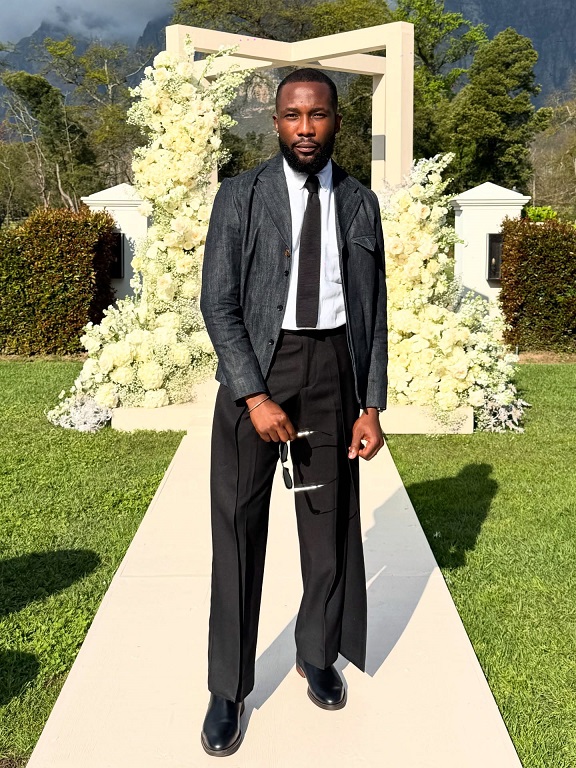
What inspired the move into the fashion industry and tell us about your brand?
To be honest, I don’t see it as leaving one industry for another. I see it as continuing the same conversation through adding a different medium. Fashion has always fascinated me because clothing, like food, carries memory, identity and culture.
Earlier this year, I founded TÓYÈ RO, a fashion house rooted in language as a design methodology. We begin with Yoruba – not simply as a source of aesthetics, but as a way of thinking.
At TÓYÈ RO, we often say: “We do not begin with form. We begin with meaning.” Every collection starts with a question rather than a trend.
We believe garments can become conversations. That philosophy is now expanding into research, education, publishing and public discourse through Project ÌPÌLẸ̀, which explores the intellectual foundations of African creativity. Ultimately, we are not just making clothes. We are building a philosophy of making.
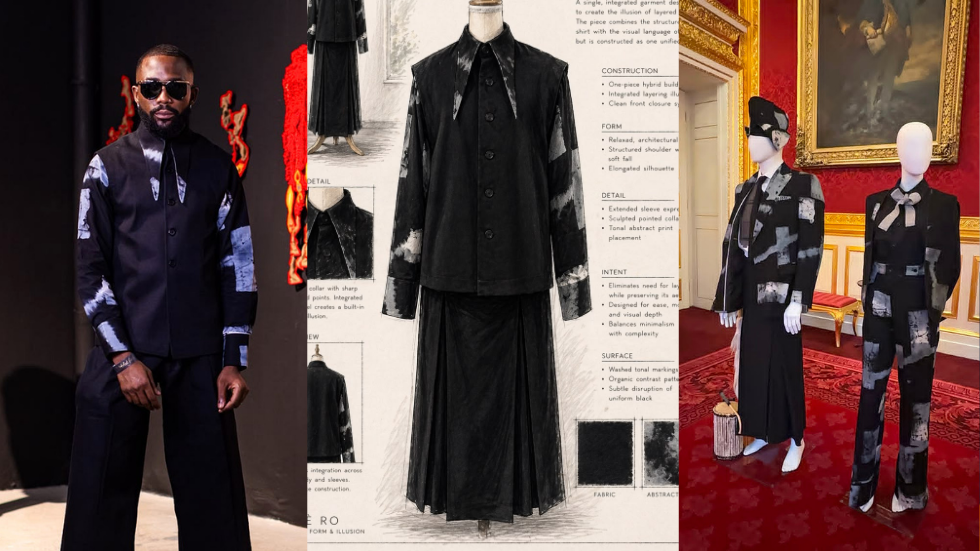
How has your meticulous nature as a Chef influenced your creative approach to fashion?
More than people realise. Professional kitchens teach systems thinking. Everything has purpose. Everything has sequence. Everything has standards. Fashion demands exactly the same discipline.
Whether I am constructing a menu or directing a collection, I think about structure before expression.
The creative process may appear intuitive, but behind every successful outcome is an extraordinary amount of planning, iteration, delegation and refinement. The chef in me never disappeared, I’ve simply added to my resume.
Who are some of your biggest influences in the food and fashion space?
I’m inspired less by celebrity and more by people who have expanded the way we think.
In food, I admire Ferran Adrià for redefining creativity through research, Massimo Bottura for demonstrating that food can address broader cultural questions, and René Redzepi for showing how place can become philosophy.
In fashion, I’m deeply inspired by Rei Kawakubo because she proved that fashion can function as intellectual inquiry rather than simply commerce.
Closer to home, I continue to draw inspiration from African artisans whose names may never appear in magazines but whose craftsmanship has preserved generations of knowledge. Those anonymous makers are some of the greatest designers the world has ever known.
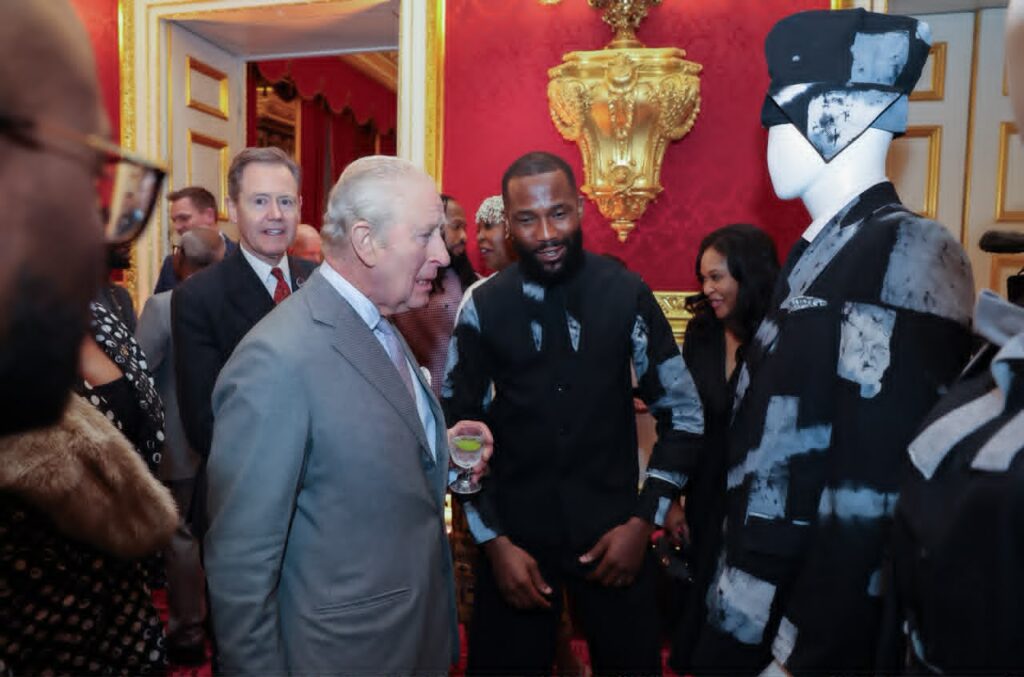
Are there any exciting collaborations or projects we should look out for?
Absolutely.
The immediate focus is building TÓYÈ RO beyond a fashion label into a cultural institution. Alongside future collections, we’re developing Project ÌPÌLẸ̀, which explores language, philosophy, craftsmanship and African design thinking.
There are also plans for public lectures, educational programmes, mentorship initiatives through the Daniel Olurin Fellowship, publications and collaborations that connect fashion with architecture, literature, food and the wider creative economy.
I’m increasingly interested in building institutions that will outlive me.
You love to travel. Which city feels most like home outside Nigeria?
London. Not simply because of its opportunities, but because of its diversity. It is one of the few cities where conversations from every continent happen simultaneously.
As someone interested in culture, design and ideas, that energy is incredibly inspiring. That said, every journey eventually reminds me why Nigeria remains my greatest source of inspiration.
The questions I am trying to answer always lead me back home.
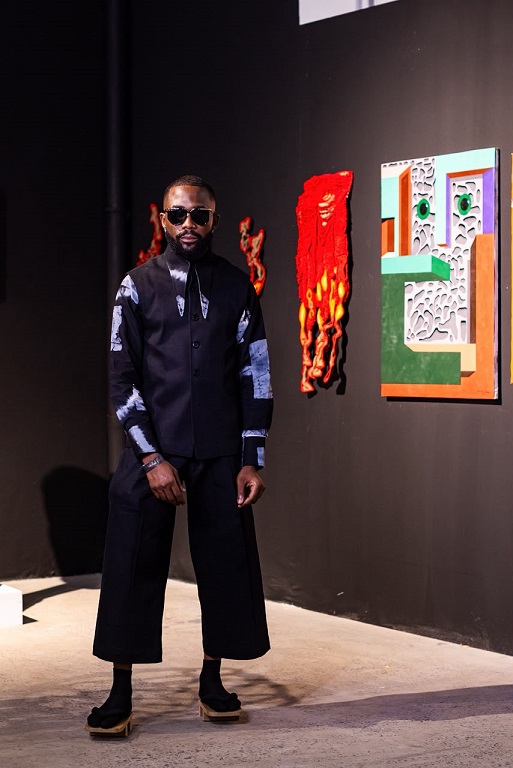
How would you describe your legacy?
I hope people won’t remember me simply as a chef or fashion entrepreneur. I hope they’ll remember me as someone who helped expand the way Africa thinks about creativity.
If I can contribute a philosophy that encourages deeper thinking about language, craftsmanship, culture and stewardship. If I can build institutions that empower the next generation. If I can leave behind ideas that continue shaping people long after I’m gone.
Then I would consider that a life well lived. Because ultimately, I don’t believe our greatest work is what we create. It is what we make possible for others to create after us.