

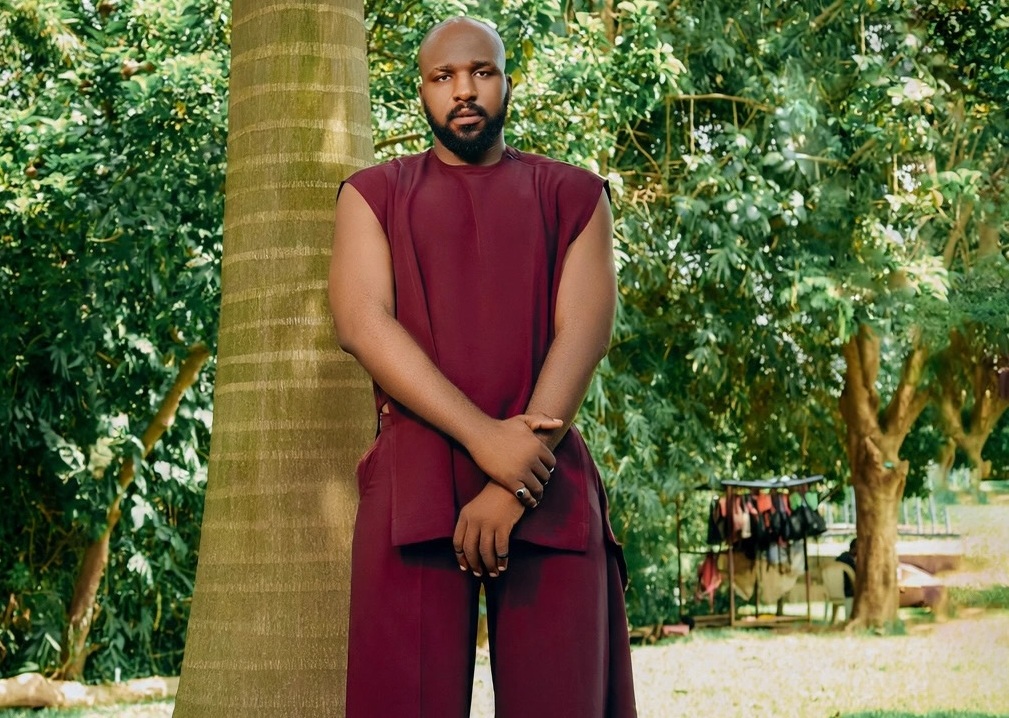
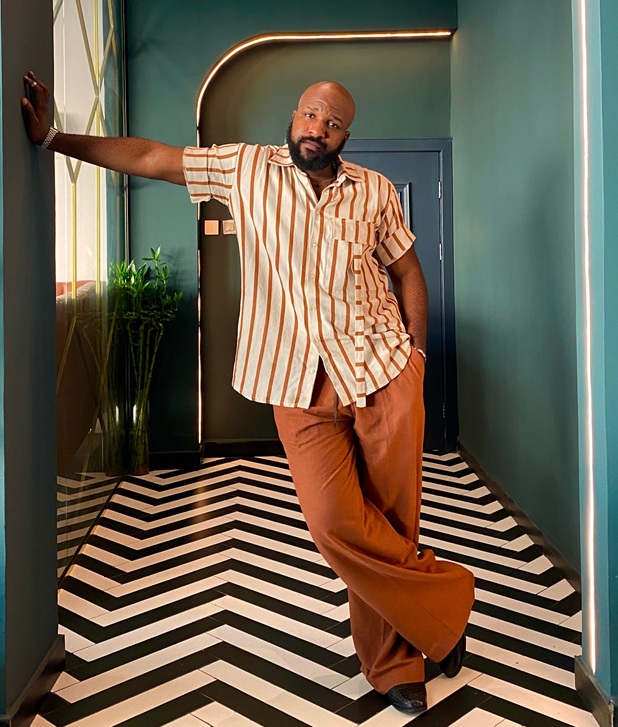
Johnpaul Abonyi, better known as JP Micheals, is a Nigerian content creator, lifestyle influencer and actor in the making whose engaging digital presence spans fragrance, food, fashion and everyday life. Known for his honest reviews and fragrance recommendations, JP tells Deyemi Olowa about the growing fragrance culture in Nigeria and how Nigerians can make smarter choices about scent, confidence and self-expression.
JP Micheals did not grow up in a home where perfume was a big deal. In fact, he describes his childhood as “completely fragrance-free,” with his parents subscribing to what he jokingly calls the “holy trinity of good hygiene” — bathe well, lotion yourself and be clean.
Perfume, he says, simply was not part of the conversation. But JP had a nose that refused to ignore a good smell. As a big, often sweaty kid, he became fascinated by the way fragrance could change how a person felt and how others experienced them. He loved telling people when they smelled good and, perhaps more importantly, loved the confidence that came with smelling incredible himself.
“I had this nose that just could not ignore a good smell.”
That curiosity eventually pushed him into exploring fragrances on his own. The more he learned, the more he wanted to share what he was discovering. Then people started asking questions: What are you wearing? How much does it cost? Where can I get it? What did you mix on your body today?
Before long, JP realised there was a community of Nigerians who were just as curious about fragrance as he was. He describes it as a community “hungry for honest, relatable content” — and that became his opening.
Rather than simply showing off bottles or listing expensive perfumes, JP began talking about fragrance in a way that felt practical and accessible: what works, what does not, what is worth the money and, sometimes, what people should probably leave on the shelf.
For someone whose fragrance content has grown from personal curiosity into a recognisable part of his digital identity, the most common question he gets remains surprisingly simple: “What are you wearing and how much is it?”

The question, he says, reflects a reality of fragrance shopping. Nigerians want to smell good, but they also want to know whether their bank account will survive the decision. And because JP has developed a reputation for layering fragrances, another question often follows: “What did you mix on your body today?”
“People want to smell good but they also want to know if their bank account can survive the decision.”
But if there is one fragrance myth JP would like Nigerians to abandon, it is the idea that strong means good.
There is a certain satisfaction in walking into a room and knowing everyone can smell you. But JP argues that fragrance does not have to announce itself from three corridors away to make an impression. Some of the most memorable scents, he believes, are the ones that encourage people to come closer.
“Strong does not mean good.”
For him, the real compliment is when someone leans in and asks, “What is that?” rather than when a fragrance overwhelms everyone in its path.
That is where his thoughts on oud come in. JP loves oud, but believes Nigeria’s climate requires a little more restraint. A heavy oud that works beautifully in a cooler environment can become an entirely different experience under the heat of Lagos or Abuja.
The same applies to fragrance generally. In Nigeria’s hot weather, he recommends fresh, fruity, citrus, aquatic and light floral scents. During cooler periods, including harmattan, he says it is time to bring out the woods, ambers, spices and ouds.
“Heat amplifies everything.”
For JP, choosing a fragrance is therefore about more than simply liking how it smells. Personality, lifestyle, environment and budget should all play a role.
Someone who spends most of the day outdoors may be better served by a fresh aquatic fragrance, while someone working in an air-conditioned office has more freedom to experiment with heavier scents. And despite the perception that smelling expensive requires spending heavily, JP insists there are excellent options at almost every price point.
His advice to fragrance shoppers is simple: do not let the price tag make the decision for you.
“Buy with your nose. Not with your eyes or your ego.”
That philosophy also explains why JP is quick to tell people not to buy a fragrance simply because it smells amazing on somebody else. Fragrance develops differently on different skin, meaning a perfume that smells wonderful on a friend may take on an entirely different character on you.
His solution is equally straightforward: test before buying. Spray it on your skin, give it time to develop and experience the opening, heart and base before reaching for your wallet.
And then there is the subject JP feels particularly strongly about: hygiene.
Perfume, he insists, is not a substitute for deodorant, and deodorant is certainly not a substitute for bathing.
“Perfume is the finishing touch, not the solution.”
For people who use perfume to cover body odour, JP has an analogy that captures his blunt but humorous approach: “Spraying perfume on body odour is like lighting a scented candle in a dirty apartment.”
The fragrance may appear to work for a moment, he explains, but eventually the original smell wins. His solution is to deal with the cause first — maintain good hygiene, use an effective deodorant or antiperspirant, wear breathable clothing and pay attention to lifestyle factors that may contribute to body odour.
His approach to fragrance also comes with an important social rule: consider the people around you.
A scent that smells wonderful in your bedroom can become overwhelming in an office, church, restaurant or packed danfo. Heavy fragrances and dense ouds require more restraint in enclosed spaces, while lighter scents are often easier to wear around others.
“The goal is to be a pleasant discovery.”
That, ultimately, is what JP calls fragrance etiquette. You should want people to notice your fragrance, but not feel trapped inside it. The best scent, in his view, is one that makes people want to move closer rather than further away.

For someone who entered the fragrance world almost by accident, JP has developed a philosophy that goes far beyond perfume bottles. To him, fragrance is about confidence, individuality, value and consideration. It is about finding something that feels like a second skin rather than a costume, and understanding that smelling good does not necessarily mean smelling loud.
If he could put one fragrance lesson on a billboard across Nigeria, JP already knows exactly what it would say: “Strong does not mean good.”
Test before buying. Experiment with layering. Understand your environment. Pay attention to hygiene. And never assume the most expensive bottle is automatically the best.
Because in JP Micheals’ fragrance world, the best-smelling person in the room is not necessarily the person who spent the most money. It is the person who chose wisely — and knows when enough is enough.