
The Passion-Led Learner
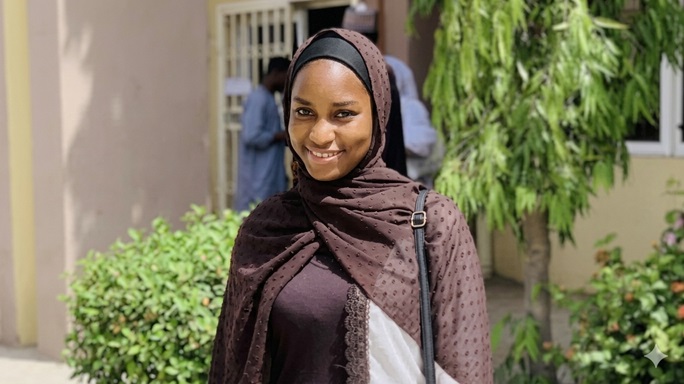
Fatima Suleiman didn’t set out to become a linguistic pioneer; she just wanted to understand the dialogue in her favorite television drama. But today, the 27-year-old Theatre Arts graduate from Kano represents a gritty, ambitious new generation of Nigerians who are looking past the traditional English-speaking West and learning to speak the language of the world’s second-largest economy.
From Instagram to HSK: A Digital Revolution
For Fatima, known to her online followers as “Zahra,” the journey began in August 2023. Armed with nothing but a smartphone and a stubborn streak of curiosity, she dove into the world of Mandarin using Instagram tutorials and apps like Duolingo. It wasn’t easy—she admits to quitting twice when the complex tones and characters felt like an insurmountable wall—but she kept coming back.
Today, Fatima reads basic news headlines and holds her own in conversations with Chinese visitors. By vlogging her progress, she has turned her personal challenge into a family affair, inspiring her sisters and peers to see Mandarin not as a barrier, but as a bridge.
The Viral Trailblazers
While Fatima builds her foundation in Kano, other Nigerians have already taken their fluency to the world stage. Ifeoma Amuche, hailing from Oko, Anambra State, is perhaps the most famous example. After discovering Mandarin at a Confucius classroom, she worked as a translator at the Dangote Refinery before winning a scholarship to Southwest University in China. In 2023, she became a sensation after delivering a flawless valedictory speech in Mandarin as the top graduate of her class.
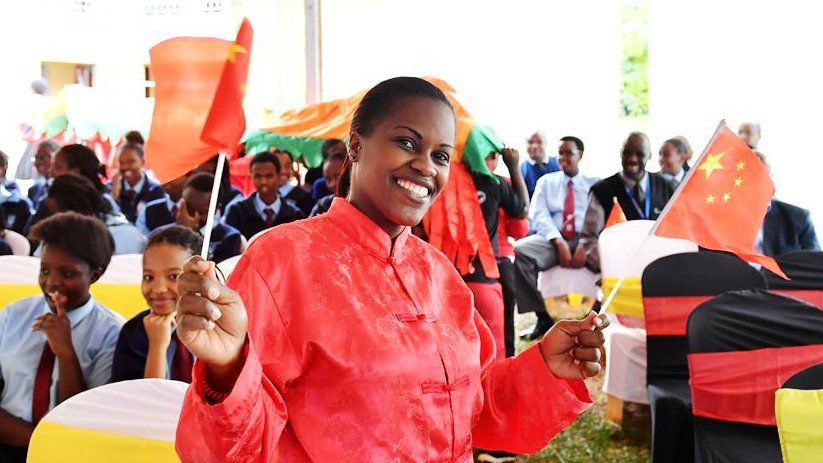
In Lagos, Victoria Arowolo has been proving the long-term value of this path for two decades. A self-taught enthusiast who began in the early 2000s, she is now a veteran instructor at the University of Lagos Confucius Institute, proving that Mandarin can be a lifelong career anchor.
Education as a Strategic Shortcut
This isn’t just a collection of individual hobbies; it is a massive educational shift backed by national policy. Nigeria now hosts two Confucius Institutes (at UNILAG and Nnamdi Azikiwe University) and 13 “language corners” in Abuja’s secondary schools.
“You can’t learn the language without knowing the culture. Mastering the characters requires immersing yourself in their world.” — Blessing Ikenna Ihiana, HSK3 Graduate.
Fast Facts: Nigeria’s Mandarin Surge
- Student Numbers: Over 6,800 Nigerians studied in China in 2019; thousands remain enrolled under the “Silk Road” and other scholarship schemes.
- The 2+2 Programme: A strategic partnership between NAU and Chinese universities allows students to split their degrees between both nations.
- Economic Advantage: Fluency is becoming a high-value asset for Nigerians looking to work in logistics, tech, and manufacturing firms like Huawei and CCECC.
A New Kind of Diplomacy
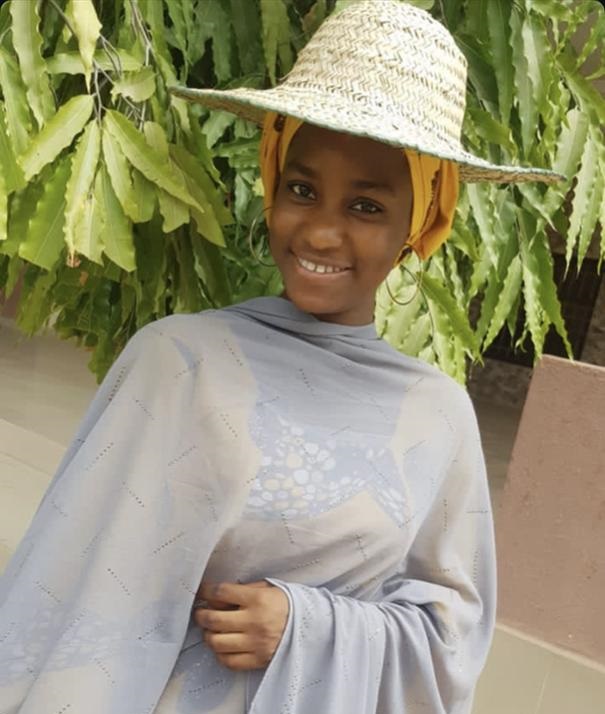
Beyond the balance sheets and trade agreements, these learners are serving as grassroots diplomats. When a young Nigerian graduate like Emmanuella Oluchi Ogbonna (known in Shanghai as Li Jiawei) wins a speech contest or performs a Chinese pop song, she is dismantling stereotypes and humanising the Nigeria-China relationship.

These “New Bridges” (Xin fu qiao) are being built one character at a time, ensuring that when Nigeria speaks to the world, it does so in more than one language.
The Social Call-to-Action (CTA)
Could learning a new language be your “shortcut” to a global career? Whether it’s Mandarin, French, or Spanish, tell us which language you’re betting on for the future in the comments!