
Compiled BY: Malami Haruna Dogon daji
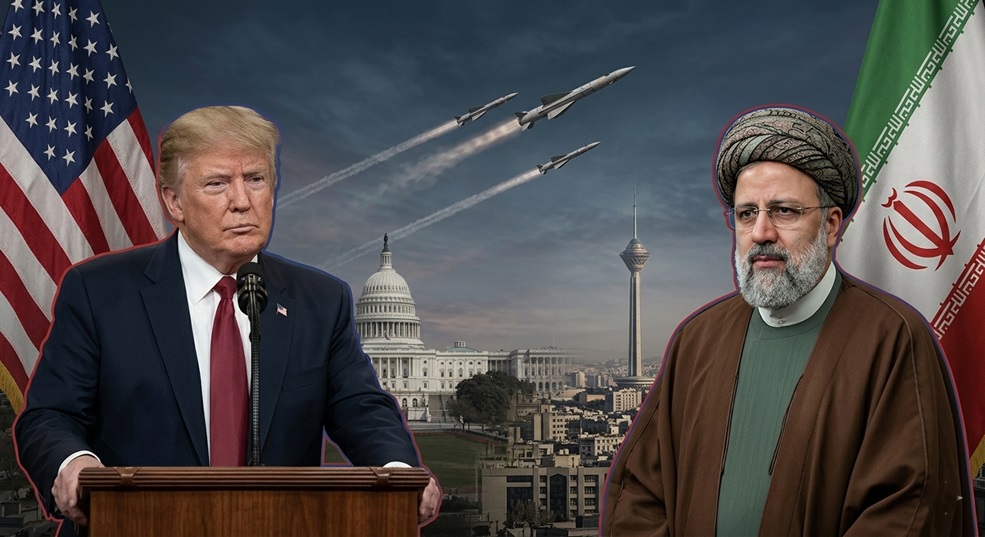
Nigeria, a nation deeply well-versed in the complex geopolitical chess of international asset recovery and sovereign funds management, watches closely as a high-stakes diplomatic tug-of-war unfolds between Tehran and Washington over billions of dollars in frozen foreign assets.
The Sovereignty Claim and the Monitored Reality
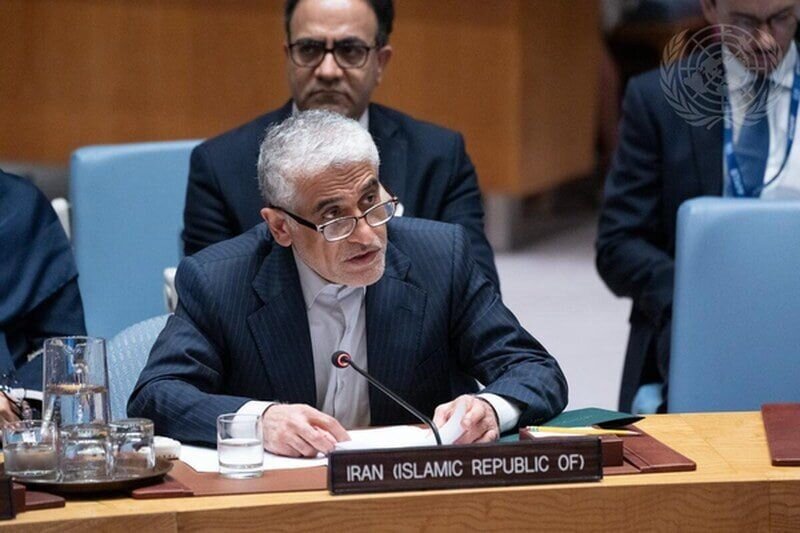
Iran’s Permanent Representative to the United Nations, Ali Bahreini, has forcefully asserted that Tehran alone will determine how any unfrozen assets are utilised. Rejecting any form of foreign oversight, Ambassador Bahreini explicitly dismissed the notion that an external power could dictate or direct the allocation of these returned funds.
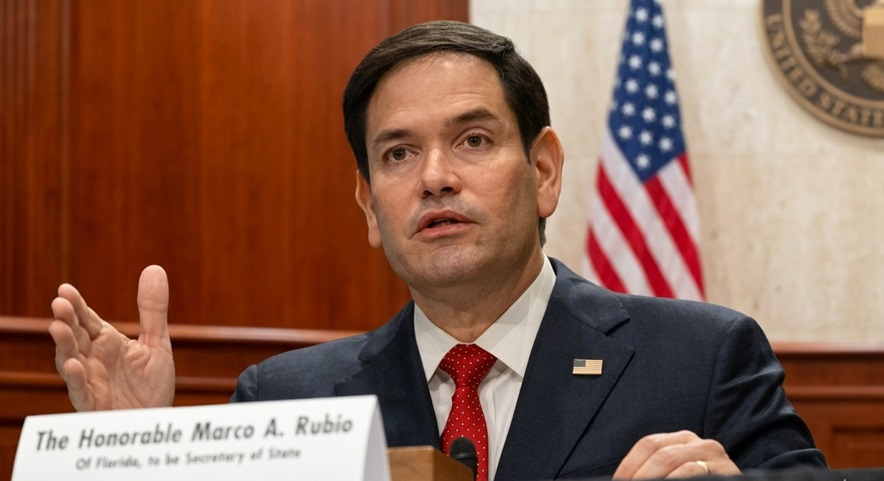
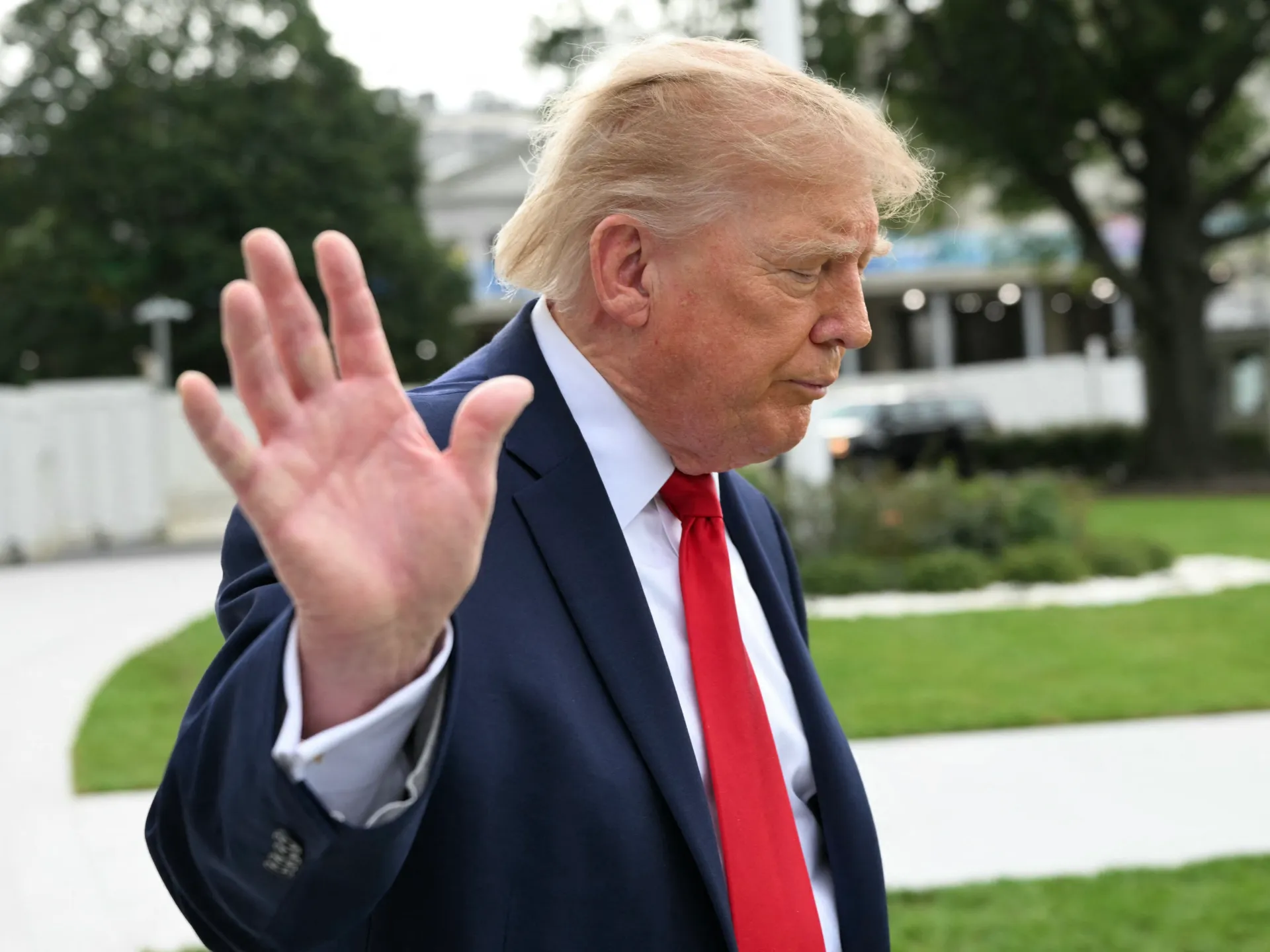
However, this unyielding stance on fiscal sovereignty directly clashes with official messaging emanating from Washington. United States officials, led by U.S. Secretary of State / Lead Negotiator Marco Rubio,, have indicated that any potential release of capital will be strictly channeled into supervised purchases, specifically restricted to humanitarian and agricultural goods such as soybeans.
Performance-Based Diplomacy: Unfreezing is Not Unconditional
According to diplomatic intelligence briefings, the emerging U.S.-Iran arrangement is structured entirely as a “performance-based” mechanism. This framework dictates that Iran will not be granted immediate, upfront access to its locked resources. Instead, the frozen funds will only be systematically released in incremental stages after Tehran successfully meets verified, baseline commitments.
“In the complex arena of sanctions diplomacy, the term ‘unfrozen’ rarely equates to an open checkbook. Asset releases are fundamentally leveraged as bargaining chips, inextricably linked to third-party verification, staged disbursement, or tightly regulated utilization fields.” – U.S. Treasury Secretary Jack Lew’s 2016 Sanction Remarks (Synthesis)
Negotiations over the exact volume of capital remain fluid, with initial discussions haggling over partial releases ranging between $6 billion and $12 billion. More recent dispatches from Iranian state media suggest a comprehensive draft agreement could encompass up to $25 billion in foreign assets. Yet, independent of the final ledger, the consistent theme governing these discussions is conditional access rather than a total restoration of unilateral spending power.
Historical Precedents and Jurisdictional Precedents
This intense friction fits into a well-documented global pattern where frozen foreign assets are weaponised as leverage during sensitive sanctions negotiations or nuclear diplomacy. The dispute highlights a fundamental clash over whether the funds are genuinely restored to national discretion or remains permanently tethered to supervised purchases of Western goods.
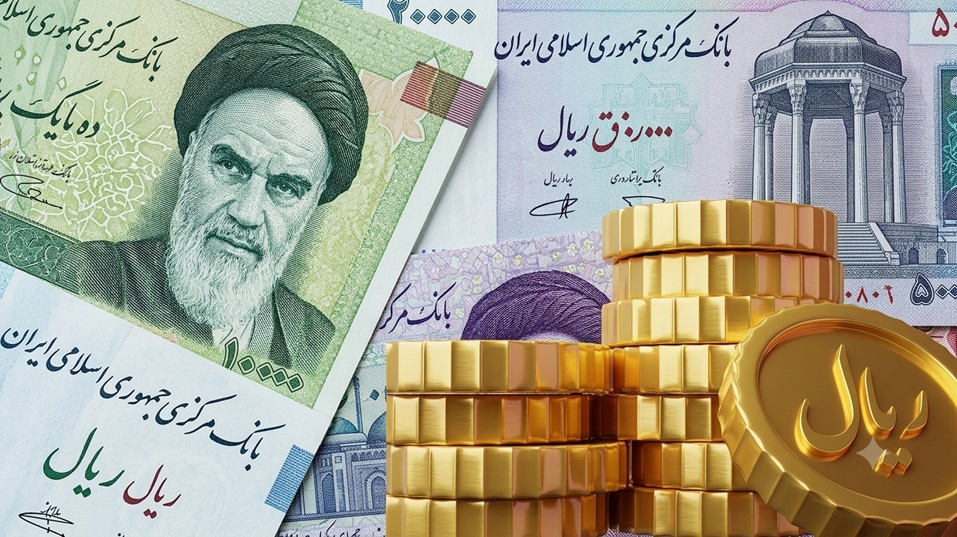
The United States has deployed this conditional methodology against Iran in prior diplomatic cycles. In 2014, Washington authorised the release of a $450 million tranche of frozen Iranian funds, but only after the International Atomic Energy Agency (IAEA) verified that Iran had strictly complied with its obligations under the active nuclear framework. Furthermore, recent developments in 2026 involving the structured release of Iranian funds held in Qatar and other jurisdictions reinforce the fact that frozen assets are rarely handed over without geopolitical strings attached.
Fast Facts: The U.S.–Iran Asset Dispute Framework
| Negotiating Dynamic | Iranian Position | United States Framework |
|---|---|---|
| Control of Funds | Demands exclusive sovereign discretion over all unfrozen capital. | Insists on staged, performance-based access tied to compliance. |
| Permitted Use | Rejects any external or foreign-directed spending restrictions. | Restricts capital strictly to supervised, monitored humanitarian goods. |
| Estimated Volume | Citing draft frameworks valued up to $25 billion. | Actively haggling over initial tranches between $6B and $12B. |
| Historical Precedent | Views asset recovery as an absolute restoration of rights. | Relies on conditional models, mirroring the 2014 IAEA-verified release. |
The Social Call-to-Action (CTA)
As international bodies increasingly use sovereign financial assets as diplomatic leverage, how should developing nations like Nigeria insulate their foreign reserves against external geopolitical risks? Share your perspective on NTA’s official X (formerly Twitter) and Facebook pages.