
Imagine a world where energy is no longer a limited resource. No more drilling for oil, no more carbon-choked skies, and no more wars over pipelines. Instead, we pull our power from ordinary seawater.
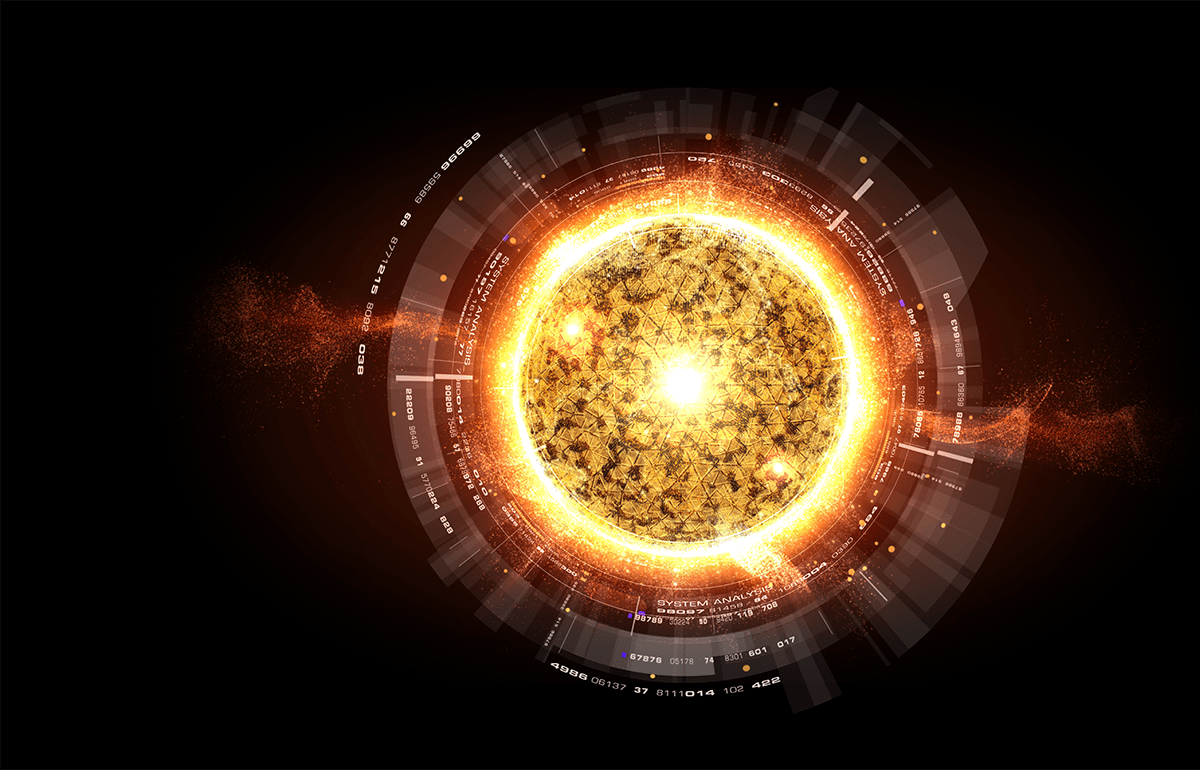
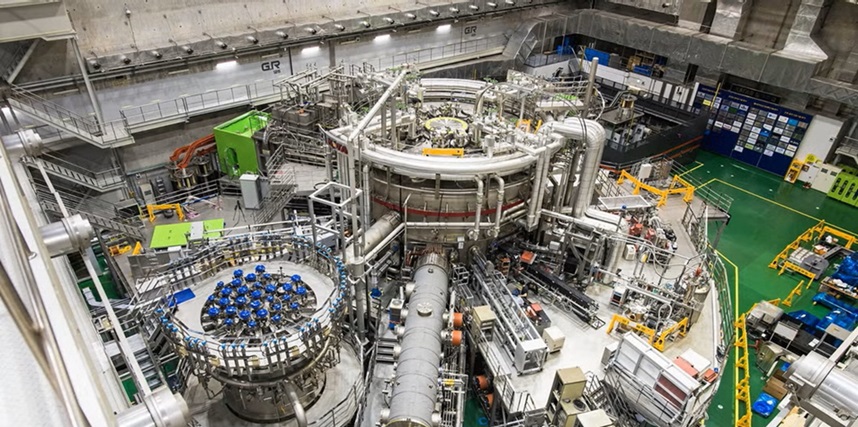
This isn’t science fiction. Inside high-tech laboratories across China, scientists are trying to build a miniature version of the Sun. They call it the “Artificial Sun” project, and it represents the greatest engineering challenge in human history.
What Exactly is an “Artificial Sun”?
The Sun is a giant nuclear furnace. It creates energy by squeezing atoms together so hard they fuse, releasing a massive burst of heat and light. On Earth, we call this nuclear fusion.
Unlike the nuclear power we use today (fission), which splits heavy atoms like uranium and leaves behind radioactive waste that lasts for thousands of years, fusion is clean. It uses hydrogen isotopes found in water, produces no long-lived waste, and cannot “melt down” like a traditional reactor.
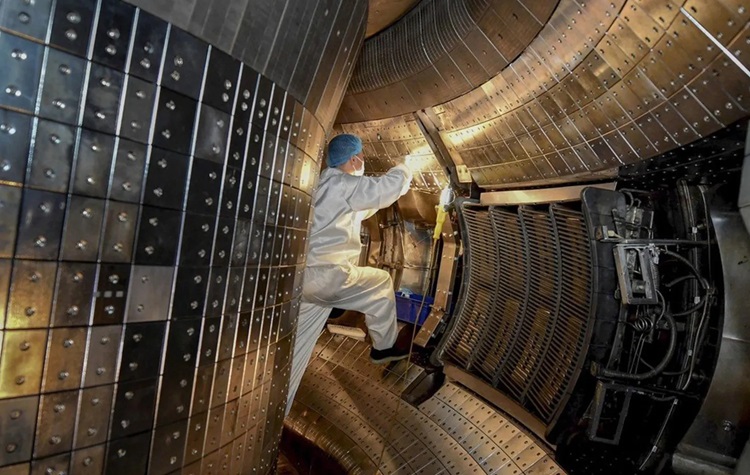
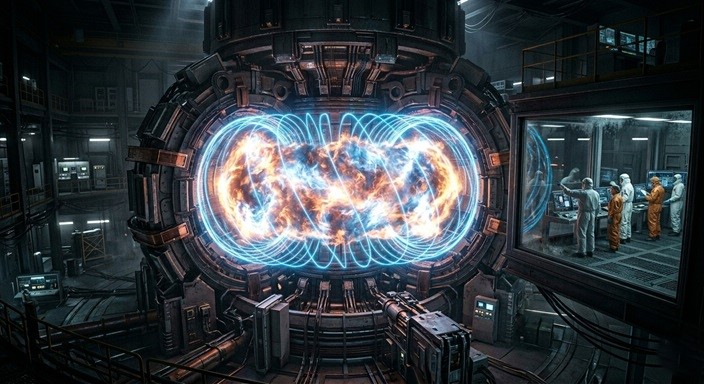
To get this to work on Earth, we have to create something even hotter than the actual Sun. We have to turn gas into plasma—a swirling, super-heated “fire cloud”—and keep it hovering in mid-air using powerful magnets. If that plasma touches the walls of the machine, it cools down instantly, and the “Sun” goes out.
China’s Triple Threat
China isn’t just building one machine; they’ve created a whole ecosystem of “stars” to solve different parts of the puzzle:
- EAST (The Endurance Runner): Located in Hefei, this machine is all about stamina. In 2025, it held a stable plasma for a record-breaking 1,066 seconds. It’s the world’s testbed for keeping the fire burning for long periods.
- HL-3 (The Heat Specialist): Based in Chengdu, this is China’s largest fusion machine. It recently hit temperatures of over 100 million degrees Celsius—over six times hotter than the core of the real Sun.
- BEST (The Bridge): Currently under construction, this is the machine intended to prove that fusion can actually generate more power than it consumes. It is the final step before building a real power plant.
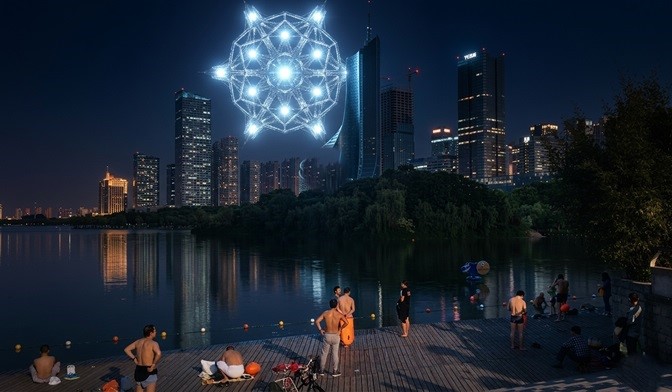
The Secret in the Mountains
While China’s “Sun” projects in cities like Hefei are open to international scientists, there is another side to the story. Deep in the mountains of Mianyang, satellite images show a massive expansion of a secretive facility.
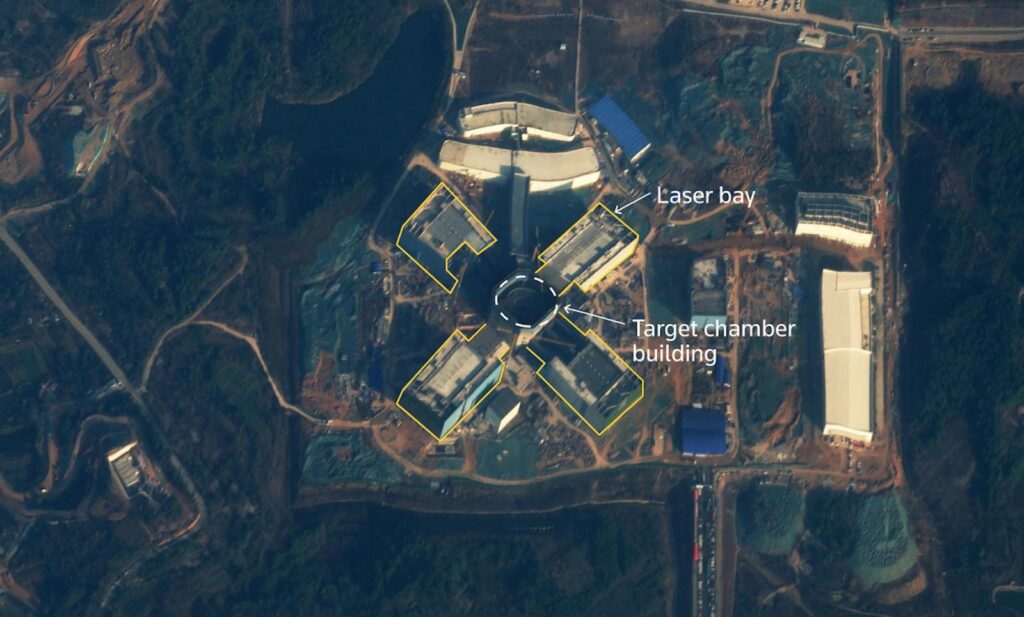
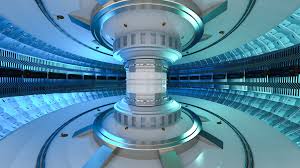
This is the Shenguang-IV, a $10 billion project funded by military organizations. Instead of using magnets, it uses giant lasers to blast tiny fuel pellets. While this could lead to clean energy, it has a dual purpose: it allows China to simulate nuclear weapon explosions without ever having to detonate a real bomb.
China vs. The World
The global race for fusion is often called the “Space Race of the 21st Century”. The United States and China have very different ways of competing:
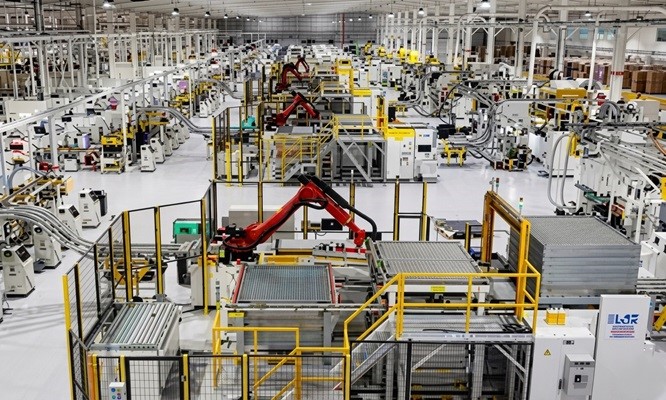
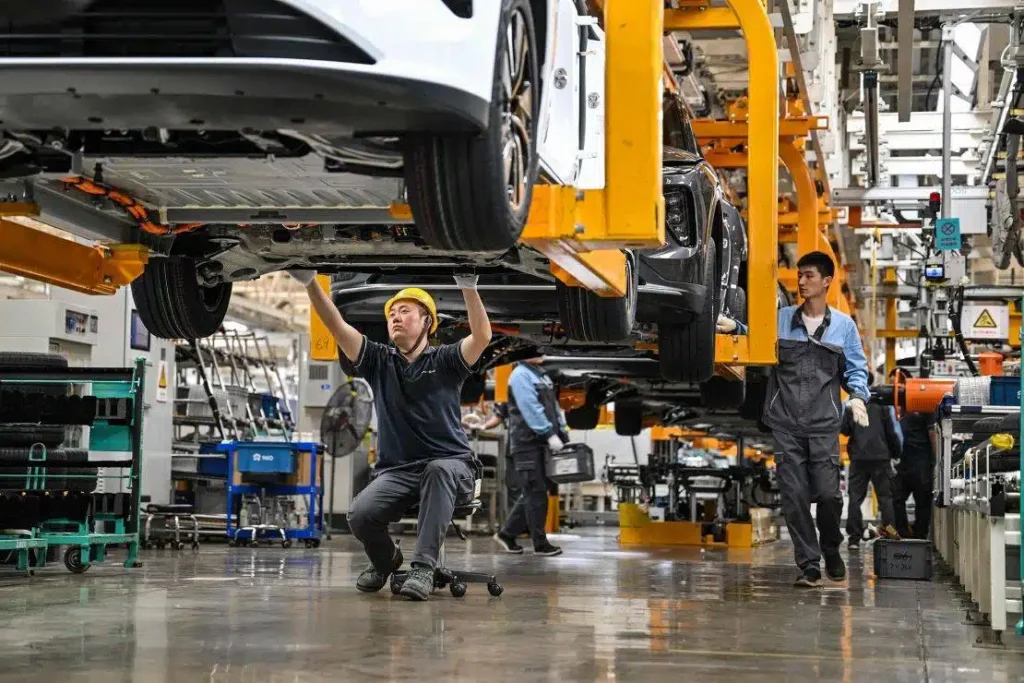
- China’s Way: A centralized, state-funded “all-in” bet. They spend roughly $1.5 billion in public money every year and build massive shared factories to make parts cheaper.
- The U.S. Way: A “Silicon Valley” approach. While the government spends about $800 million, private startups have raised over $5.5 billion to try and win the race with smaller, faster, and more creative designs.


When Will the Lights Turn On?
Despite the exciting headlines, we aren’t quite there yet. Building a sun in a box is incredibly hard. We are running out of Tritium, a rare fuel needed for the reaction, and the heat inside the machines is so intense it can literally erode the metal walls.

Don’t expect fusion to power your home by 2030. Most experts agree that while we might see “first light” from pilot plants soon, fusion won’t be a major part of the global power grid until 2040 or 2050.
The Final Thought
If China—or anyone else—masters this technology first, the world changes forever. The nation that owns the “Artificial Sun” will have a permanent, unblockable supply of energy. It would be the end of energy scarcity and the beginning of a new era for human civilization.
Share your thoughts about ‘The Chinese Artificial Sun Project.’ in the comments