

The Lead
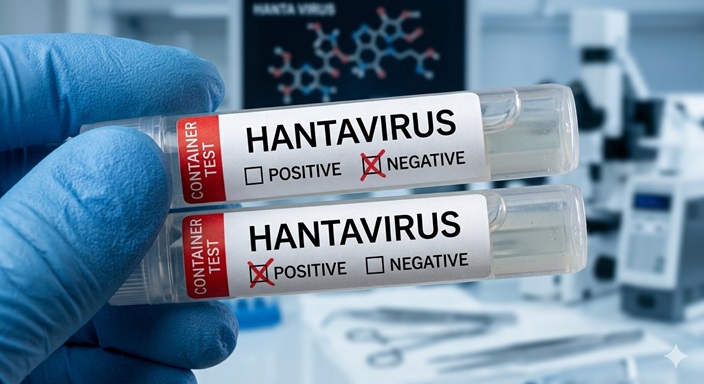
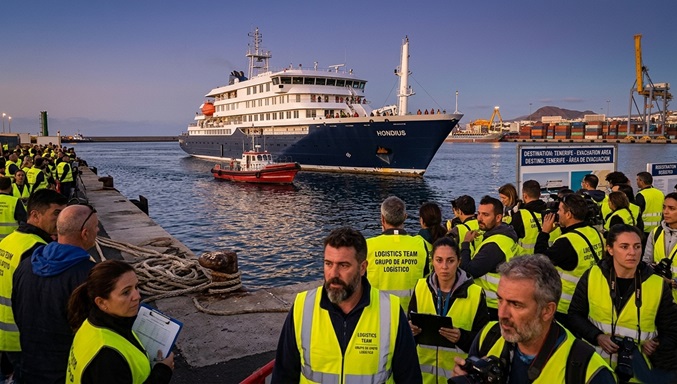
In a development that has put international health officials on alert, a Spanish citizen evacuated from the MV Hondius cruise ship has tested positive for Hantavirus, highlighting the persistent need for vigilance in global health monitoring.
Health Ministry Confirms Positive PCR Result
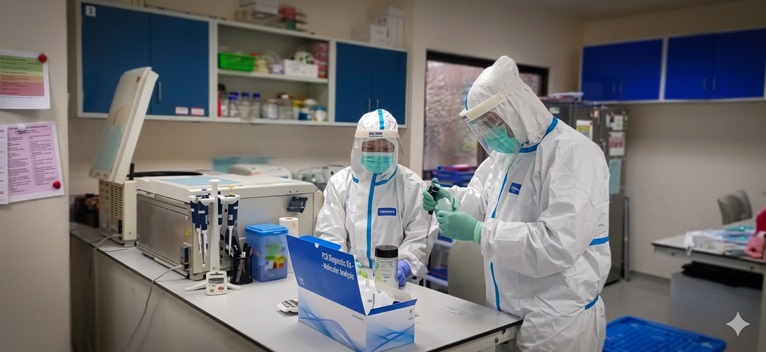
The Madrid Health Ministry confirmed late on Monday that the passenger was immediately placed in isolation at the Gomez Ulla Hospital. Although the individual tested positive following a PCR test (the gold standard test )conducted upon arrival, officials noted that the patient was not showing active symptoms of the disease at the time of the report.

Health authorities are currently waiting for final results expected in the coming hours to confirm the status of the infection. Meanwhile, 13 other Spanish evacuees who were on the same vessel have tested negative for the virus.
“The passenger was placed in isolation at the Gomez Ulla hospital and received a positive result from a PCR test done on his arrival.” — Madrid Health Ministry.
Safety and Monitoring
The MV Hondius had previously been identified as being affected by the disease, leading to the evacuation of passengers. The use of PCR (Polymerase Chain Reaction) testing allowed for the rapid detection of the virus even in the absence of outward illness.
Fast Facts: Understanding Hantavirus
- What it is: A virus typically spread by rodents (rats and mice).
- How it spreads: Humans usually get infected by breathing in air contaminated with rodent droppings, urine, or saliva.
- Symptoms: Early signs include fever, fatigue, and muscle aches. It can lead to serious breathing problems if not treated.
- Prevention: Keep homes clean, seal holes where rats can enter, and avoid touching wild rodents.

The Social Call-to-Action (CTA):
How concerned are you about new health reports involving international travel? Share your thoughts in the comments below or join the conversation on NTA’s Facebook and X (Twitter) pages @NTANetwork