
As African health authorities intensify measures to protect regional borders, the European Union has activated an emergency humanitarian air bridge and allocated an additional €15 million to reinforce frontline health defences against a rapidly escalating Ebola outbreak in the Democratic Republic of Congo (DRC) and Uganda. This international logistics intervention targets the severely destabilised Ituri Province, delivering critical operational infrastructure to local health authorities and international medical responders struggling to contain the spread.
Massive Airlift of Critical Medical Cargo to Bunia
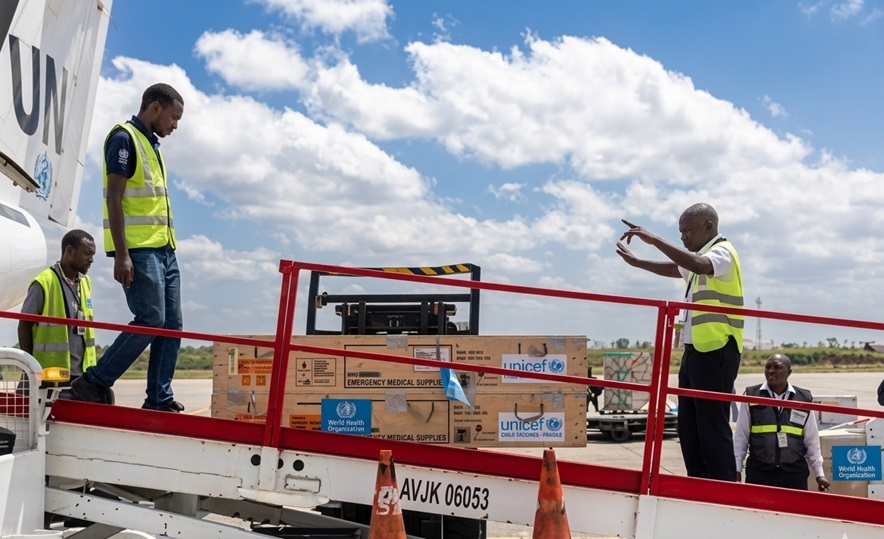
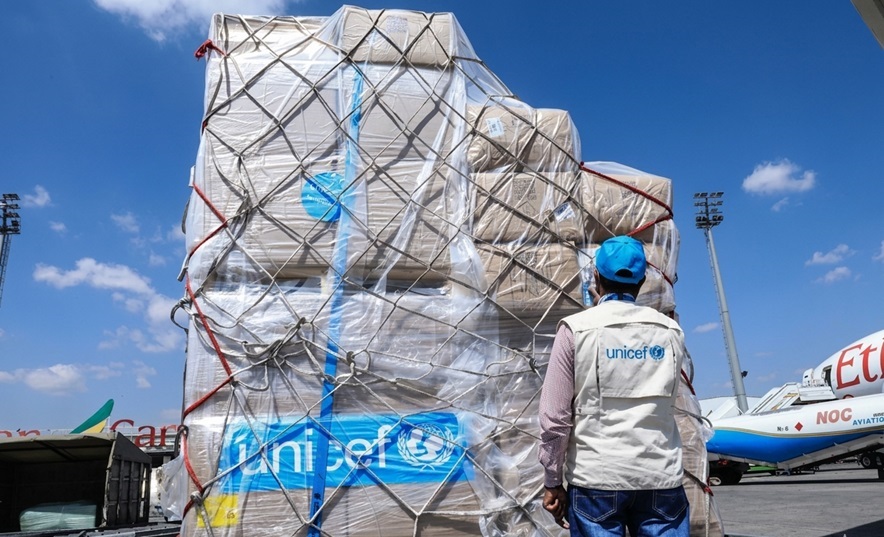
Under this emergency deployment, a humanitarian cargo pipeline has commenced the delivery of 100 tonnes of life-saving medical counter-measures directly to Bunia in eastern DRC. Initial transport aircraft departed logistics installations in Nairobi on June 4, carrying essential medical payloads destined for high-risk border sectors.

The emergency shipments consist of specialised medicines, personal protective equipment (PPE), infection-control materials, and operational field tents designed to immediately expand isolation and treatment capacity. Additional air bridge flights are currently being structured to maintain a continuous influx of supplies to the frontline.
Funding Frontline Defences and Regional Preparedness
Alongside the physical supply chain, the European Commission has allocated an extra €15 million from its broader 2026 humanitarian support framework to strengthen outbreak response and cross-border preparedness. Out of this package, €5 million has been explicitly earmarked to support field operations managed directly by the World Health Organisation (WHO).
The funding also provides vital co-financing to the WHO AFRO Regional Emergency Hub in Dakar. This strategic injection aims to reinforce emergency operations in active hot zones while scaling up defensive surveillance and border monitoring along the vulnerable Uganda border region.
The Complex Biological Threat of the Bundibugyo Strain
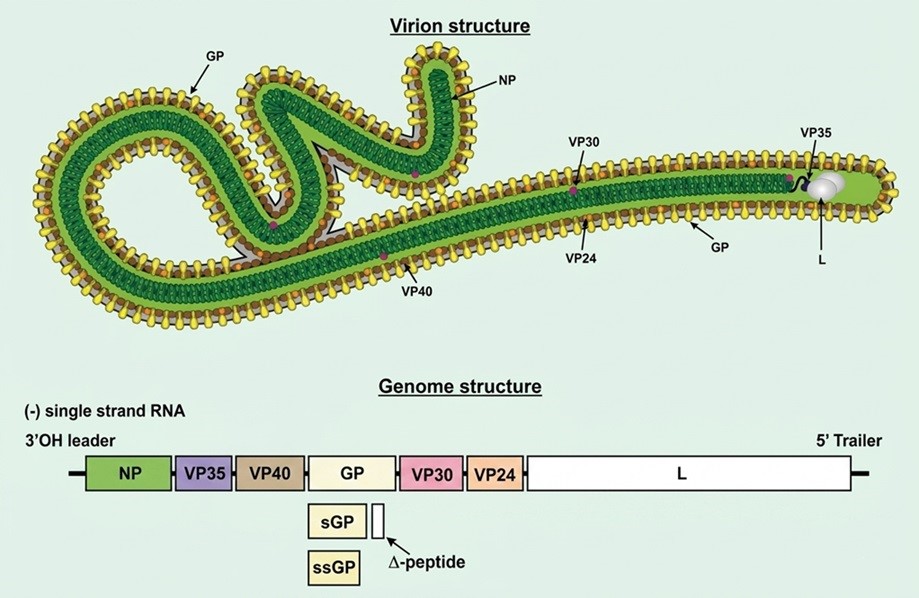
Public health management faces severe scientific hurdles as laboratory data confirms the outbreak is driven by the rare Bundibugyo strain of the Ebola virus. This represents the 17th recorded Ebola outbreak in the history of the DRC, carrying heightened epidemiological risks because there are currently no licensed vaccines or approved therapeutics targeting this specific strain.
The European Centre for Disease Prevention and Control (ECDC) recently reported that the situation has escalated sharply, with figures climbing to 381 confirmed cases and 64 confirmed deaths in the DRC, alongside rising cross-border transmissions verified in Uganda.
“The convergence of an aggressive Ebola outbreak with intense regional conflict and mass population displacement creates an incredibly volatile health emergency that requires an immediate, coordinated continental and global response.”
— WHO Regional Field Assessment Brief
Navigating Conflict and Weak Health Infrastructure
Containment operations are heavily complicated by persistent regional insecurity in Ituri Province, where the virus is spreading through active conflict zones. Violent clashes have displaced millions of citizens into temporary settlements, undermining basic sanitation and complicating contact tracing for mobile field teams.
To stabilise this fragile health corridor, the WHO and the Africa Centres for Disease Control and Prevention (Africa CDC) have launched a joint continental response plan. The ambitious strategy aims to mobilise $518 million over the next six months to reinforce border monitoring, logistics, and healthcare access in hard-to-reach zones.
Fast Facts: The Emergency Ebola Response
| Metric | Detail |
| Total Emergency Funding | An additional €15 million for immediate outbreak containment and cross-border health security. |
| Airlift Cargo Capacity | 100 tonnes of vital medical supplies, including medicines, PPE, and containment tents. |
| Primary Logistics Hub | Dispatched via Nairobi directly into Bunia, in northeastern Ituri Province, DRC. |
| Pathogen Profile | The Bundibugyo strain, an aggressive variant lacking approved therapeutic options or licensed vaccines. |
| Continental Target Budget | A joint six-month preparedness strategy launched by WHO and Africa CDC seeking $518 million. |
The Social Call-to-Action (CTA)
What do you think? How can African regional bodies like the Africa CDC better coordinate with international partners to build self-sustaining vaccine pipelines for rare viral strains? Share your analysis on NTA’s official X (formerly Twitter) and Facebook platforms using the hashtag #NTADigitalHealth.