

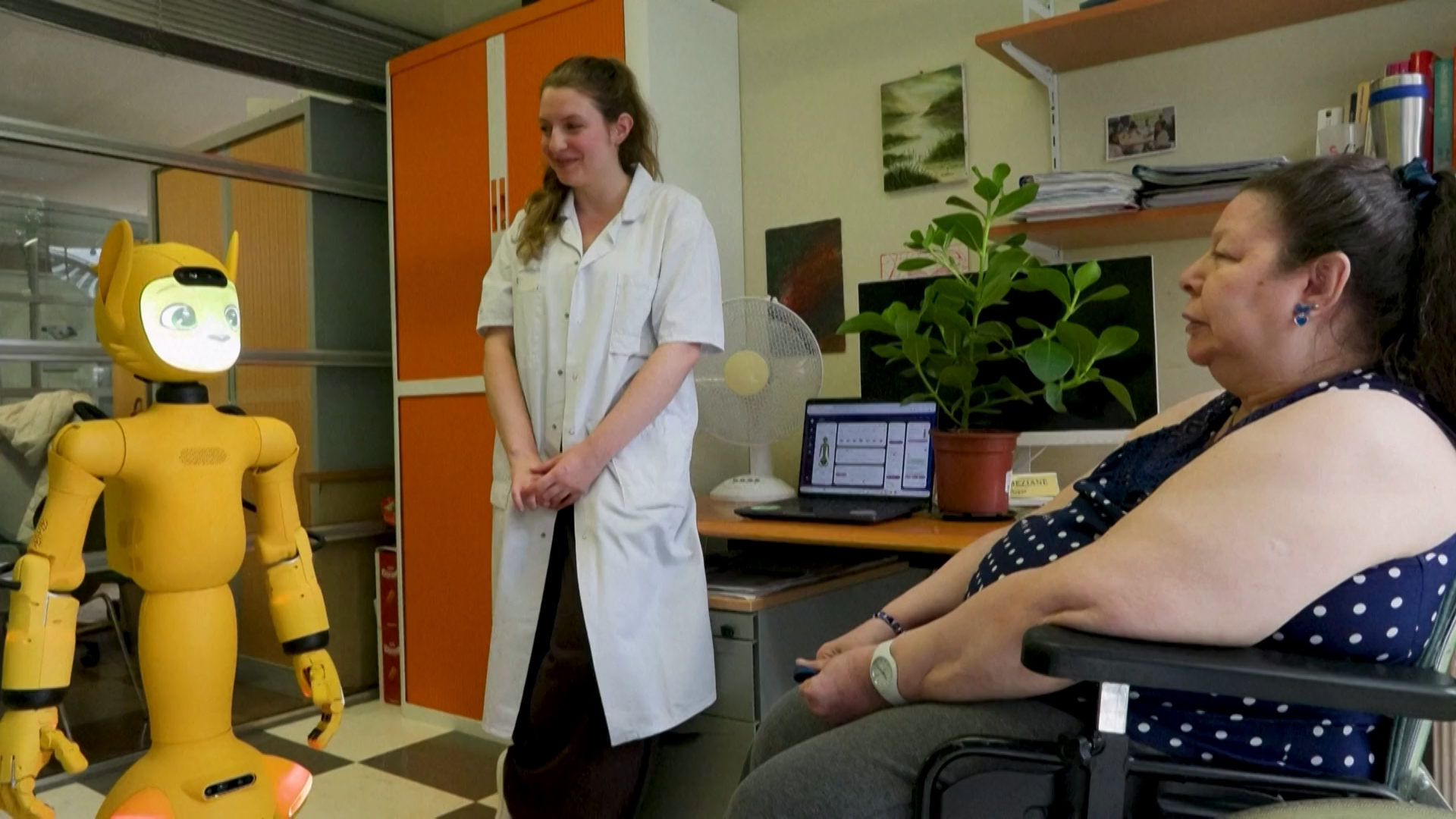
French hospitals and care homes are experimenting with conversational robots, robotic companions and AI-powered devices to support people living with Alzheimer’s, while researchers insist the technology must complement rather than replace human care.
Hospitals and care homes across France are testing a range of technologies designed to support people living with Alzheimer’s disease and other neurodegenerative disorders, from conversational robots to therapeutic robotic animals and AI-powered devices that can recreate the voices of loved ones.
The trials reflect growing interest in using technology to support patients with cognitive disorders, particularly by encouraging conversation, stimulating memories and providing companionship. Researchers and caregivers say the tools can offer comfort and support therapeutic activities, while stressing that they are not intended to replace human interaction.
Among the technologies being tested are robots designed to encourage older people to talk and engage with their surroundings. Another is a therapeutic robotic seal, designed to provide a calming presence and emotional stimulation for people who may experience loneliness or anxiety.
Researchers are also exploring the use of artificial intelligence in communication devices. One phone being tested can recreate the voices of loved ones, potentially allowing patients to hear familiar voices and maintain a sense of connection even when family members are not physically present.
For caregivers, the appeal of such technology lies partly in its ability to provide additional support during moments when staff may not be able to offer one-on-one attention. The devices can encourage interaction and give patients activities that stimulate their senses and communication skills.
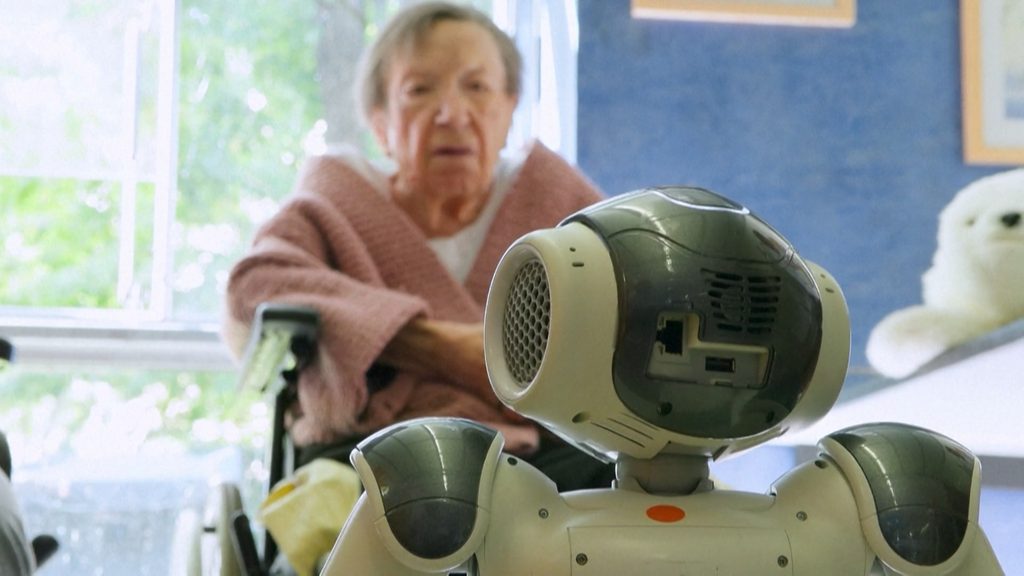
But the growing use of AI and robotics in care also raises questions about the limits of technology when dealing with vulnerable people. Researchers stress that machines may assist with specific aspects of care, but cannot reproduce the emotional understanding, empathy and personal connection provided by human caregivers and relatives.
“Robotics should not be viewed as a replacement tool,” cognitive psychology researcher Maribel Pino said. “It will never replace the essential human relationships people need.”
The French trials therefore point towards a model in which technology works alongside caregivers rather than taking their place. As hospitals and care homes continue to explore AI and robotics, the challenge will be finding ways to use these tools to improve patients’ daily lives while keeping human contact at the centre of care.