
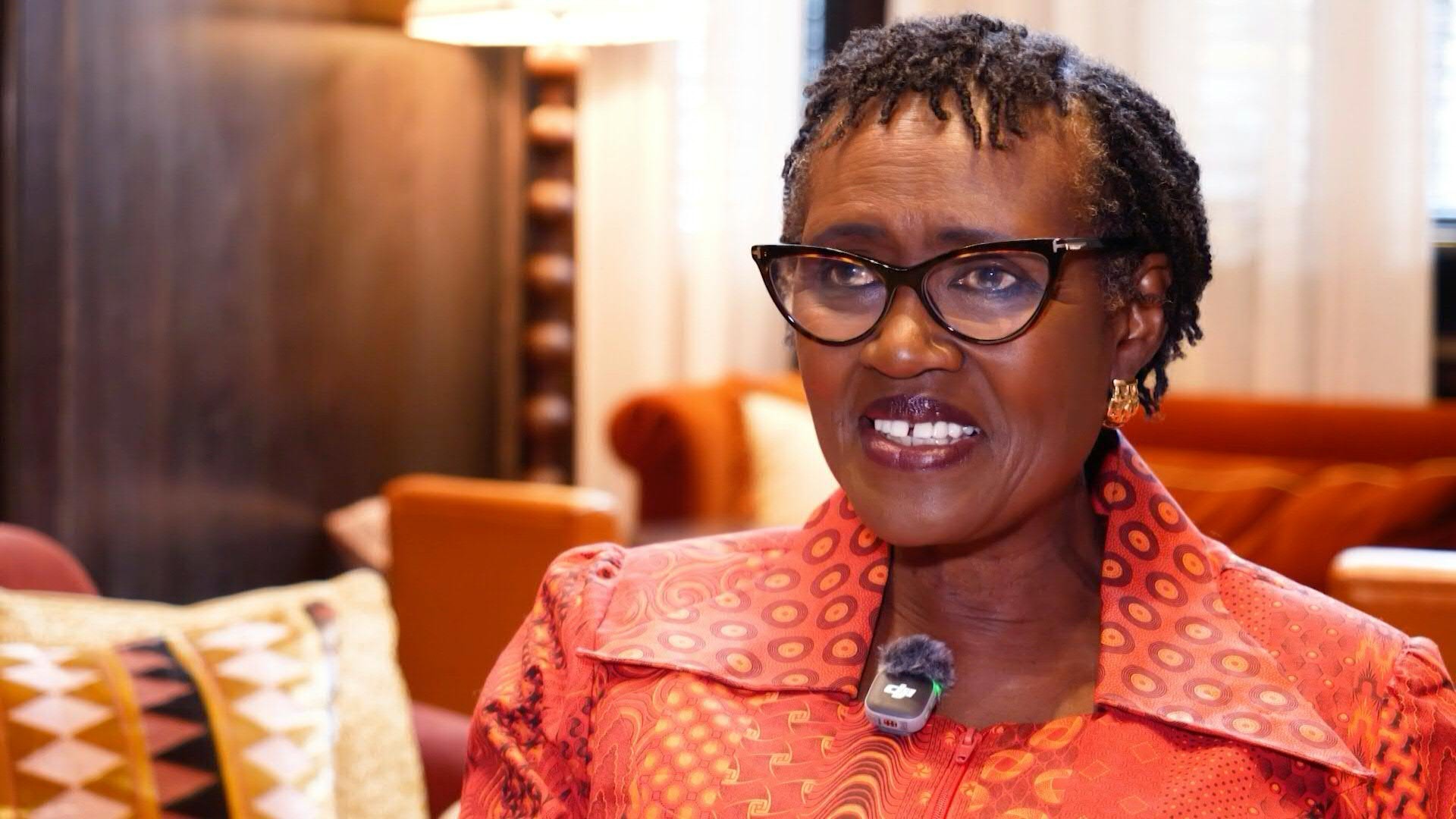
UNAIDS Executive Director Winnie Byanyima says declining international funding and weakening global solidarity threaten decades of progress in tackling HIV, even as AIDS-related deaths fall to their lowest level in more than 20 years.
The global fight against HIV is facing renewed challenges as declining international funding and shifting government priorities threaten progress made in preventing infections and treating people living with the virus, the head of UNAIDS has warned.
UNAIDS Executive Director Winnie Byanyima raised the concern as the agency released its annual global update, highlighting the growing financial pressure on HIV prevention, treatment and support programmes.
Byanyima said the international cooperation that helped transform HIV from what was once widely regarded as a death sentence into a manageable chronic condition was beginning to weaken.
She pointed to governments increasingly directing attention and resources towards other priorities, including armed conflicts and artificial intelligence.
“Now we are seeing governments finding other priorities like war, like artificial intelligence,” Byanyima said.
Despite the concerns, the report shows that AIDS-related deaths have fallen to their lowest level in more than two decades, reflecting significant advances in access to treatment and healthcare interventions.
However, international financing for HIV programmes declined by 18 per cent over the past year, according to UNAIDS, raising concerns about the sustainability of services, particularly in countries heavily dependent on external support.
The funding reduction threatens programmes that provide HIV testing, prevention services, antiretroviral treatment and care for vulnerable populations.
UNAIDS says maintaining the gains achieved over the years will require renewed international commitment, sustained investment and stronger cooperation among governments and development partners.
The warning highlights the challenge of protecting decades of progress against HIV at a time when competing global priorities are placing pressure on international health funding.
Global efforts led by UNAIDS, governments and health organisations have expanded access to testing, prevention and treatment, significantly reducing AIDS-related deaths over the past decades.
However, funding gaps and unequal access to healthcare continue to threaten progress, particularly in low- and middle-income countries.