
As Nigeria navigates a complex macro-economic transition in 2026, the intense national debate over whether the Federal Government’s sweeping policy overhauls represent permanent structural legacies or temporary political signatures has exposed the deep tensions between long-term institutional reform and immediate citizen survival.

Decoding the Polycrisis: A Unified Governance Challenge
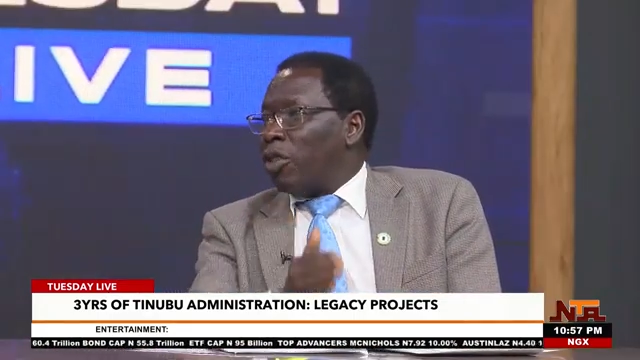
The structural friction within Nigeria’s current governance model is increasingly viewed not as isolated sector failures, but as a deeply intertwined multi-sector challenge. Speaking on NTA’s flagship programme, Tuesday Live, Professor Oka Obono, a sociologist from the University of Ibadan, emphasized that the nation is grappling with a profound “polycrisis” where security deficits, soaring inflation, and agricultural disruption merge into a singular, complex mosaic.
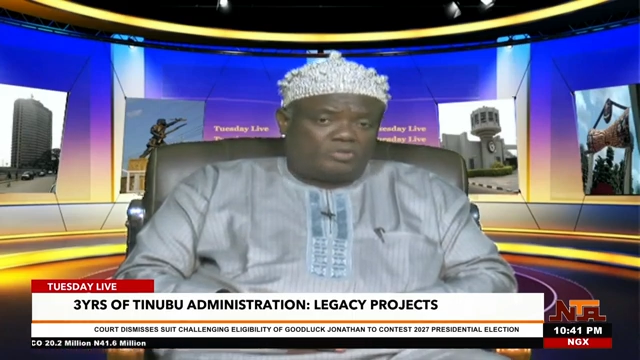
“A polycrisis is something that transcends the ordinary understanding of a crisis in the sense that intersectoral crisis merge and create a mosaic that must then be managed institutionally not piece meal… when you talk about insecurity in Nigeria it is the low income earner too in the economic sector who can’t afford food.” — Professor Oka Obono, University of Ibadan
While the removal of the petrol subsidy successfully unlocked substantial fiscal space to reinforce macroeconomic stability, critics and allies alike agree that labelling these measures as permanent “legacies” remains premature. True legacy requires institutional durability that outlives its authors, meaning the ultimate success of these bold signature programmes will depend on their sustainability in the post-Tinubu era.
The Food Pricing Paradox: Production vs Affordability
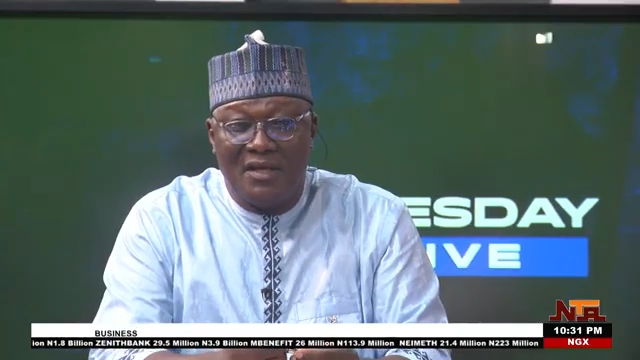
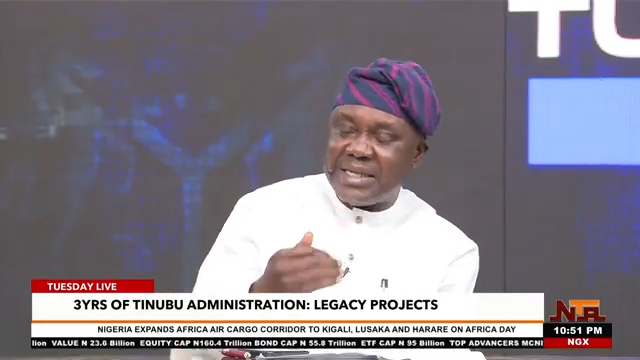
Nigeria’s agricultural sector presents an active paradox where documented production gains have yet to translate into significant consumer relief at the market square. Prominent industrial farmer and elder statesman, Honorable Farouk Adamu Aliyu, observed that deliberate state initiatives heavily stimulated domestic farm output through 2024 and 2025.

Despite localized improvements in the supply of staples like rice, global economic shocks and local transport logistics have kept commodity distribution expensive. This structural bottleneck directly mirrors broader macroeconomic data, which showed annual inflation remaining heavily elevated at 15.69% in April 2026, leaving everyday food items painfully out of reach for vulnerable households.
Local Government Autonomy: Institutional Victory or Paper Decoration?
The operationalisation of local government autonomy remains one of the most fiercely contested battlegrounds of current public administration reform. Financial analysts contend that the historic 2024 Supreme Court ruling granting financial autonomy to the 774 local councils is a critical legacy project engineered to catalyze rural infrastructure development and curb rapid urban drift.
The Grassroots Backlash

However, live feedback from rural constituencies reveals a stark implementation gap between constitutional law and grassroots practice. Many citizens argue that state executives continue to deploy administrative mechanisms to retain control over local government revenues, leaving local populations to bear the unmitigated brunt of inflated transportation and living costs.
“The local government autonomy to me is a decoration up to today… the money that goes to those accounts governors are controlling it we have diverted the way of smartly collecting those monies from the local government channels.” — Useni, Live Caller from Jos
Confronting ‘Wethood’: NELFUND and Human Capital
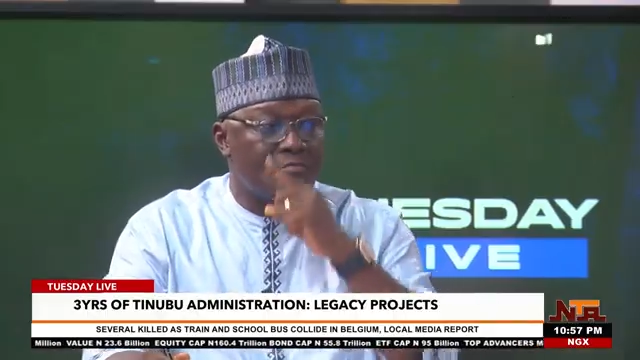
At the heart of Nigeria’s economic transition is a severe demographic challenge: the widening gap between formal tertiary graduation and stable adult economic independence. Academic specialists have classified this delayed socio-economic transition as a prolonged state of “wethood”—a vulnerable period where citizens hit their 40s certified with university degrees but entirely lacking jobs, housing, or foundational security for family planning.
Transforming Job Seekers into Job Creators
To systematically dismantle this cycle, the Nigerian Education Loan Fund (NELFUND) is being deployed as a targeted intervention to remove financial barriers to higher education. The institutional goal of the loan framework is to fundamentally re-engineer the mindset of Nigerian graduates, ensuring that university education directly equips youth to operate as functional job creators within an modernised economic ecosystem.
The Social Call-to-Action (CTA)
Are the ongoing structural overhauls in tax, local government, and education funding paving the way for a resilient Nigeria, or are immediate cost-of-living relief measures more urgent for your household? Share your perspective and join the live debate on NTA’s official X (formerly Twitter) and Facebook pages using the hashtag #NTATuesdayLive.