
The World Health Organisation (WHO) has escalated the regional risk assessment for the Democratic Republic of Congo’s (DRC) latest Ebola outbreak to “very high” internally and “high” regionally, triggering urgent surveillance mandates across East Africa as cases spill over international borders.
Cross-Border Spread Triggers Regional Emergency
A localized health crisis has rapidly evolved into a critical regional containment test. The WHO confirmed that the outbreak has breached the DRC border, with neighboring Uganda reporting new cases directly linked to cross-border travel.
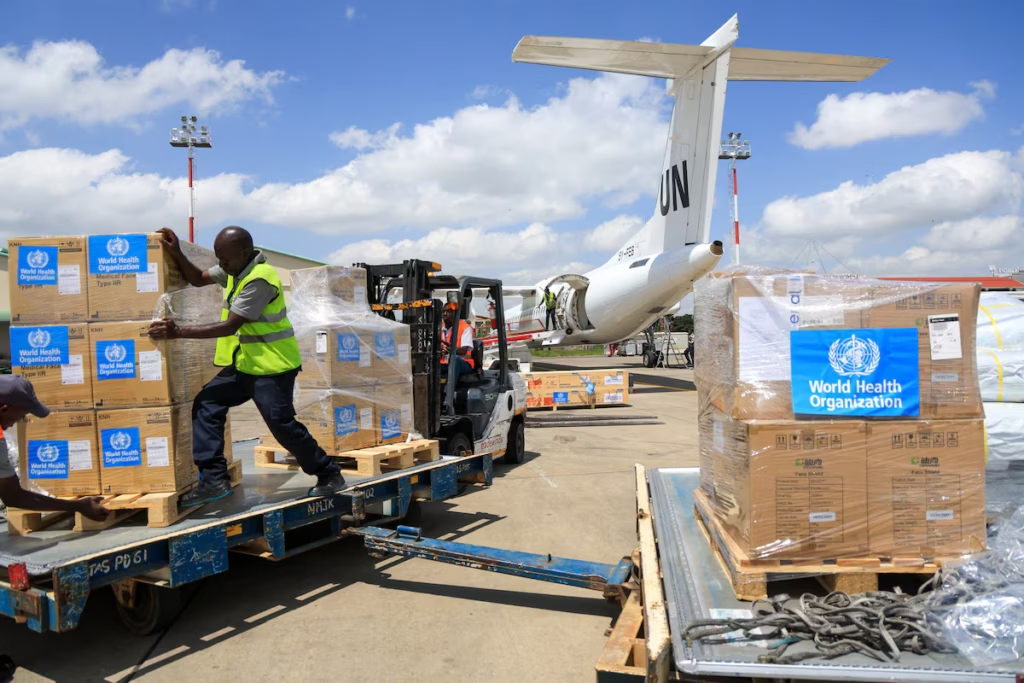
Among these cases is a Congolese national who crossed into Uganda seeking medical care. While the global risk assessment remains “low,” the swift movement of the virus along active human travel routes has forced health authorities to demand immediate, aggressive countermeasures from regional governments.
The Bundibugyo Challenge: No Vaccine, No Cure
Compounding the urgency of the situation is the specific virus mutation driving this transmission. Laboratories have identified the culprit as the Bundibugyo strain of Ebola.

Unlike the more common Zaire strain, which was successfully combated in past outbreaks using modern inoculations, the Bundibugyo strain currently has no approved vaccine or curative treatment. Containment relies entirely on early detection, strict isolation, and rapid supportive care.
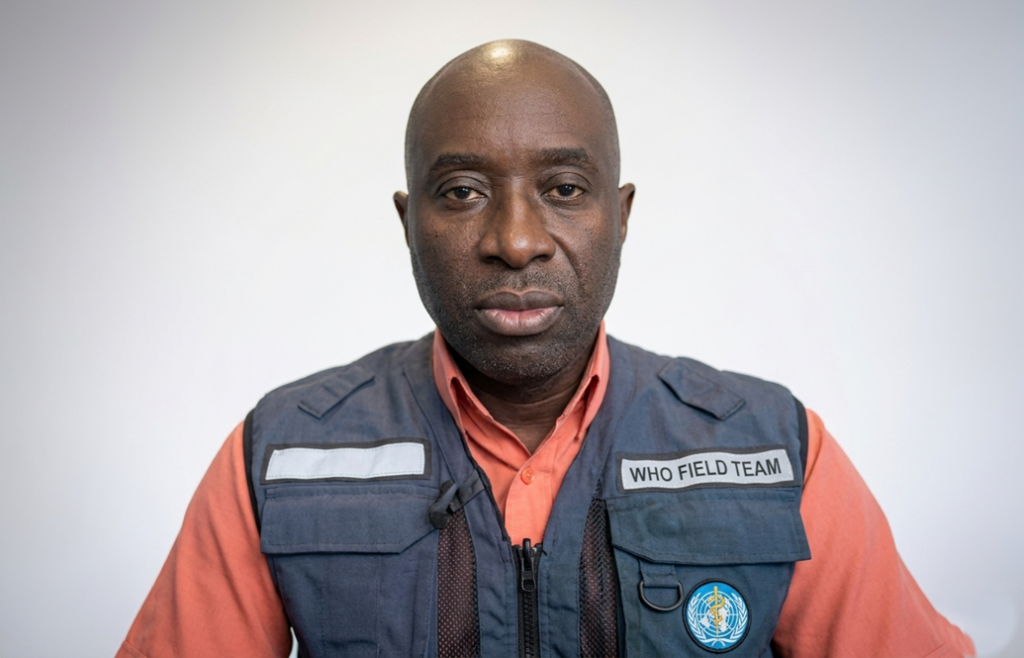
“Delays can be costly. Time saves lives during outbreaks.”
— Dr Marie Roseline Belizaire, WHO’s Africa emergency director.
Conflict and Misinformation Hamper Containment
The geographical corridor connecting eastern DRC and Uganda is one of the most challenging humanitarian landscapes on the continent. Health teams are attempting to trace contacts amidst ongoing civil conflict, massive population displacement, and deep-seated community misinformation.
The heavy, unregulated movement of traders and displaced persons across the DRC-Uganda corridor means the virus is moving faster than standard health infrastructure can track.
Fast Facts: Regional Ebola Alert Matrix
| Country Focus | Current Risk Status | Confirmed Impact / Actions Required |
| DRC | Very High | Ground zero; active transmission complicated by conflict. |
| Uganda | Immediate Concern | Imported and locally linked cases confirmed via travel corridors. |
| South Sudan | High Alert | Highlighted by WHO for immediate cross-border coordination. |
| Rwanda, Burundi, Tanzania, Kenya, Zambia, Ethiopia, CAR | On Alert | Border screening, contact tracing, and port-of-entry surveillance activated. |
WHO Demands Immediate Border Mobilisation
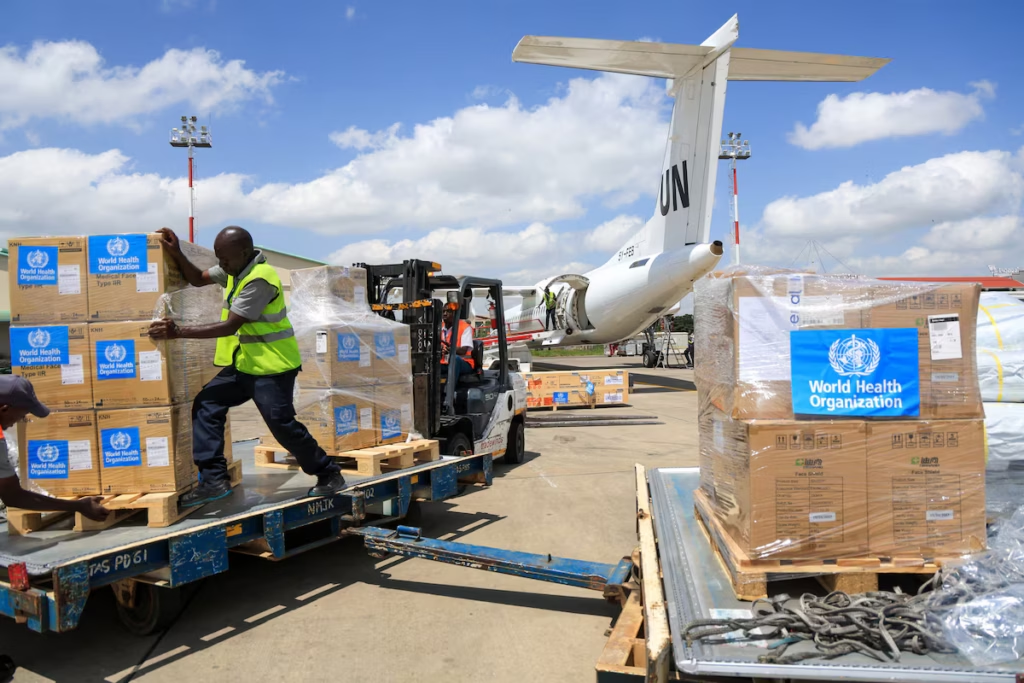
In tandem with the Africa Centres for Disease Control and Prevention (Africa CDC), the WHO is pushing for an immediate tightening of defensive health measures. At-risk nations must implement stringent border surveillance, accelerate contact tracing protocols, and establish seamless real-time data-sharing networks. Health officials emphasize that the next few weeks are absolutely critical to preventing a wider, uncontrollable international epidemic.
The Social Call-To-Action
With no vaccine available for this specific Ebola strain, do you think regional governments are doing enough to secure our borders and transit hubs? Share your thoughts in the comment section on NTA’s Facebook and X (formerly Twitter) pages using #NTADigitalHealth.