
Compiled BY: Malami Haruna Dogondaji
OCTOBER 5, 2026
ABUJA, Nigeria — As preparations gather momentum for the general elections, the Inter-Party Advisory Council (IPAC) has renewed its urgent demand for the restructuring and unbundling of the Independent National Electoral Commission (INEC), asserting that the current system fails to guarantee a fair competitive landscape for all political parties.
The Push for Electoral Reform
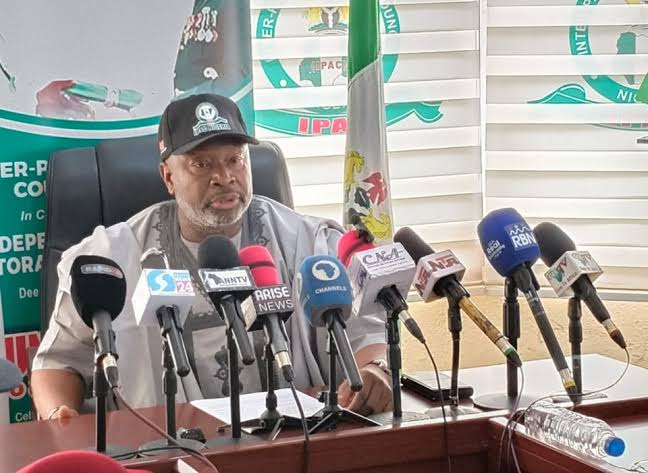
Speaking on the NTA programme “Good Morning Nigeria,” Chinedu Obi, the Director-General of IPAC, emphasized that the council has persistently advocated for splitting INEC to foster greater efficiency and seamless electoral operations. Under Nigeria’s current framework, the commission shoulders a heavy tripartite burden: conducting elections, registering and regulating political parties, and prosecuting electoral offenders.
IPAC contends that these combined mandates overload a single body, generating systemic inefficiencies. To remedy this, the council proposes decentralising INEC into three distinct entities dedicated respectively to election management, voter registration, and the adjudication of electoral malpractices.
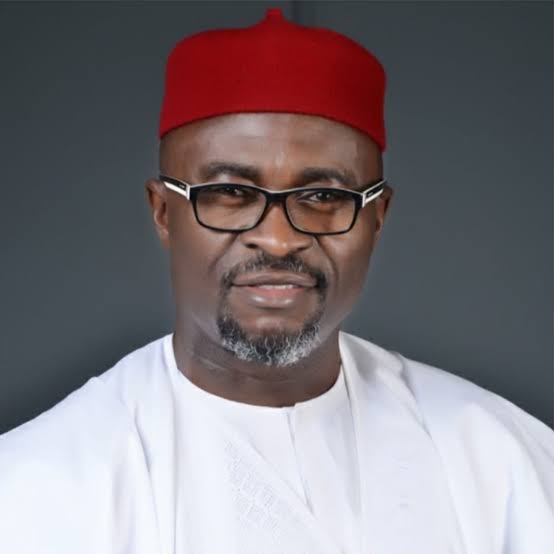
“The executive should not appoint the umpire, as they are participants in the election. We need a constitutional provision that ensures neutrality,” said Mr Obi on “Good Morning Nigeria.”
Core Proposals Outlined by IPAC
Beyond unbundling the electoral commission, the council’s comprehensive reform agenda features several structural adjustments aimed at strengthening Nigerian democracy:
- Independent Appointments: Stripping the Presidency of the power to appoint key INEC officials, replacing it with an Independent Appointment Committee comprising political parties, civil society organisations, the National Judicial Council, and a bipartisan National Assembly committee.
- Scrapping SIECs: Transferring the conduct of all local government elections from State Independent Electoral Commissions to INEC to secure credible grassroots outcomes.
- Electoral Offences Body: Establishing a dedicated commission to prosecute perpetrators of vote-buying, ballot snatching, and election violence.
- Same-Day Polls: Conducting all elections on a single day to cut costs, minimise logistics strain, and eliminate bandwagon effects from early results.
Fast Facts: Understanding the Context
- Umbrella Body: IPAC serves as the official platform for dialogue between registered political parties and INEC.
- Constitutional Backing: INEC was established under the 1999 Constitution to organise national elections.
- The 2023 Catalyst: Operational hurdles, technological hitches involving BVAS and the IReV portal, and low voter turnout during the 2023 polls have intensified public demand for reforms before 2027.
The Social Call-to-Action (CTA)
As the National Assembly reviews the Electoral Act ahead of the upcoming polls, opinions remain sharply divided—with bodies like the CDHR arguing for strengthening rather than breaking up INEC. Do you think unbundling INEC is the right solution to guarantee credible elections in 2027? Share your thoughts on NTA’s social media platforms @NTANetwork