
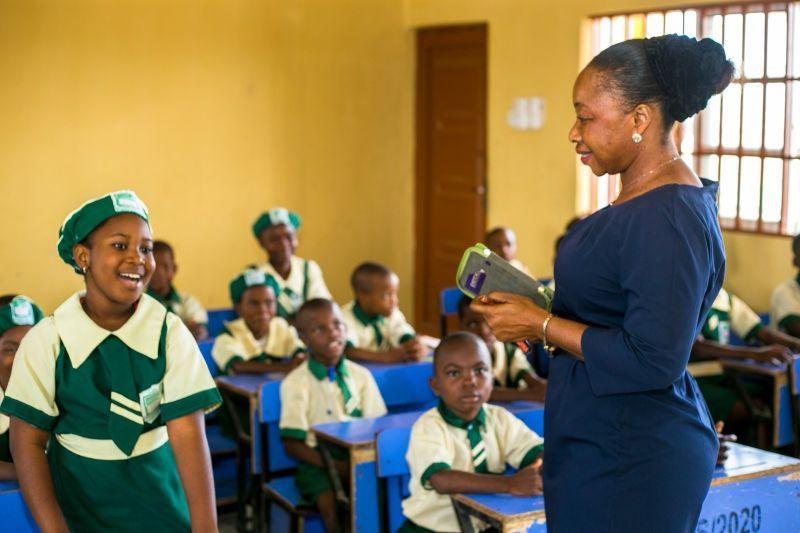
The 2026 World Teachers’ Day will mark the 60th anniversary of the 1966 ILO/UNESCO Recommendation concerning the Status of Teachers, under the theme, “Standing with teachers: 60 years of protecting the profession, advancing its status and shaping our futures.”
For six decades, the teaching profession has remained central to human development. From classrooms around the world, teachers have helped shape minds, build character and prepare generations for the responsibilities of the future. Behind doctors, engineers, journalists, entrepreneurs, scientists and leaders are teachers who contributed to laying the foundations for their journeys.
Efforts to protect the teaching profession have traditionally focused on safeguarding the rights, dignity and welfare of educators while promoting professional standards. Teaching carries significant responsibility, with educators entrusted not only with academic instruction but also with aspects of the intellectual, emotional and social development of young people.
Creating an environment where teachers are respected, supported and able to work with confidence is therefore essential to both their wellbeing and the quality of education delivered to learners.
At the same time, the role of the modern teacher has continued to evolve. Educators are now expected to respond to technological developments, accommodate different learning needs, address emerging social challenges and prepare students for an increasingly complex world.
This changing role makes continuous professional development, adequate teaching resources, career opportunities and fair recognition increasingly important to maintaining a strong and respected profession.
Advancing the status of teachers also means giving them a meaningful voice in education policy and decision-making. Teachers understand the realities of classrooms and are often well placed to identify what works, what does not and where improvements are needed.
Their professional knowledge and experience should therefore be reflected in the design and implementation of education policies. Investment in teacher training, improved working conditions and opportunities for career advancement is ultimately an investment in the wider education system.
Beyond academic instruction, teachers play a significant role in developing curiosity, discipline, creativity, critical thinking, confidence and civic responsibility among learners.
A teacher’s encouragement can influence a student’s decision to pursue a particular career, while lessons about integrity, responsibility and perseverance can shape character long after a student leaves the classroom. For many learners, teachers also become mentors and role models whose influence extends well beyond graduation.
However, the profession continues to face significant challenges as education systems adapt to a rapidly changing world. Technological developments, economic pressures, changing social expectations and new approaches to learning are adding new dimensions to the responsibilities of educators.
The future of teaching will therefore require sustained investment in professional development, appropriate teaching resources, safe working environments and policies that reflect the realities of the profession.
The 60th anniversary of the 1966 ILO/UNESCO Recommendation is consequently more than a celebration of the past. It is a renewed call for action to ensure that teachers receive the support and recognition required to fulfil their responsibilities.
Protecting teachers means protecting the quality of education. Advancing their professional status means recognising the skills, knowledge and responsibility their work demands. Supporting educators must therefore extend beyond ceremonies and commendations to include meaningful policies, improved welfare, professional opportunities and a genuine commitment to listening to their voices.
Ultimately, standing with teachers means standing with the future. Every classroom provides an opportunity to shape the next generation, while every teacher contributes to the kind of society that generation will inherit.
As the world marks 60 years of efforts to protect the teaching profession and advance its status, the anniversary offers both a moment of reflection and a renewed commitment to the journey ahead. When teachers are strengthened, classrooms are strengthened; when classrooms are strengthened, education is strengthened — and when education is strengthened, societies are better prepared for the future.