
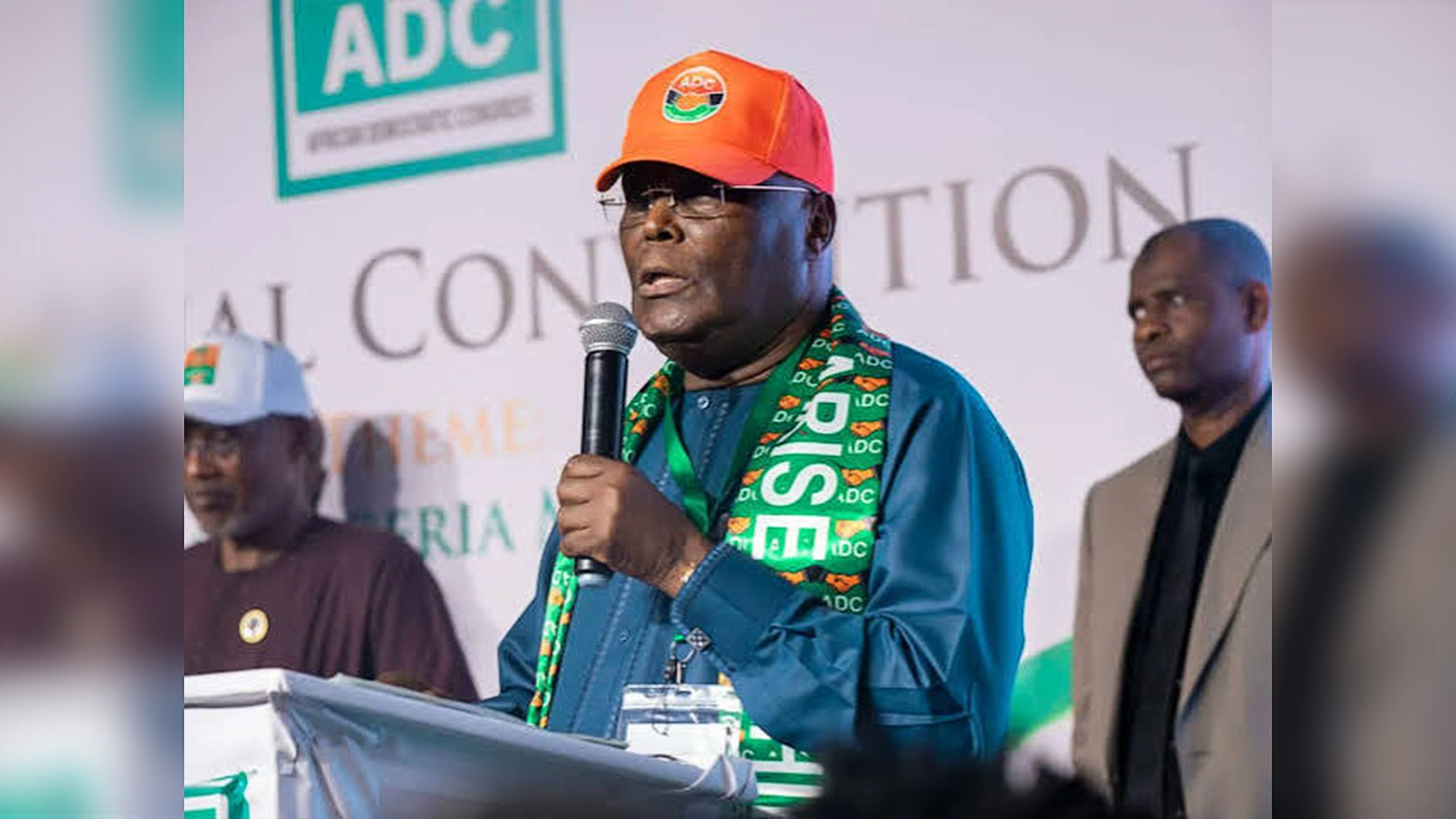
Atiku Abubakar, ADC Presidential candidate has made lower fuel costs part of his campaign ahead of the 2027 elections. During his campaign in Lokoja, Kogi state, Atiku promised to reduce fuel costs, support local businesses and restore Nigerians’ purchasing power.
Despite not clearly stating the strategy that would be deployed to actualize it, the promise comes at a time when petrol prices and the wider cost of living remain major concerns for households, transport operators and businesses.
Atiku’s Promise
Atiku has clarified that he does not intend to bring back the old fuel subsidy system in its previous form. Instead, he proposes shifting government support from imported petroleum products to locally refined petrol.
Under the proposed arrangement, qualifying domestic refineries would receive crude oil at discounted or preferential prices. The intention is to reduce the cost of producing petrol locally, allowing refiners to supply the Nigerian market at more affordable prices.
His campaign describes the arrangement as a targeted, capped, transparently budgeted and independently audited production subsidy. The proposed beneficiaries could include large refineries, such as the Dangote Refinery, as well as modular refineries that meet the program’s requirements.
Proposed Subsidy Framework
The government makes crude oil available to qualifying Nigerian refineries at a price below the prevailing market value, reducing the cost of producing petrol.
In turn, participating refineries are expected to supply an agreed quantity of petroleum products to the Nigerian market. The savings from the discounted crude are expected to translate into lower petrol prices for consumers.
Refinery operations, crude allocations, production volumes and domestic deliveries would be independently monitored and audited.
Crude Supply and Availability
A major question surrounding Atiku’s proposal is how the government would guarantee sufficient crude oil for local refineries.
Atiku’s spokesperson, Phrank Shaibu, said an Atiku administration would review existing crude-supply commitments, including those linked to borrowing arrangements, to make more crude available to domestic refineries.
However, the campaign is yet to specify how much crude would be allocated or how existing contractual obligations would be handled. This raises questions about whether Nigeria can meet local refinery demands without disrupting other commitments.
Who Pays for the Subsidy?
Although the proposal differs from the former import-based subsidy system, it would still carry a financial cost. Selling crude to refineries below market value could reduce government or oil-sector revenue.
Atiku’s campaign has described the arrangement as capped and transparently budgeted, but details of the proposed discount, crude volume and annual spending limit remain unclear.
The APC Presidential Campaign Council has estimated that the proposal could cost between ₦17 trillion and ₦21 trillion annually. This is the council’s estimate, not an independently established cost.