

Twelve parties pledged to renounce electoral violence, comply with electoral laws and restrain their supporters ahead of the 2027 elections, as the IGP warned that politicians and sponsors of political thuggery would face prosecution.
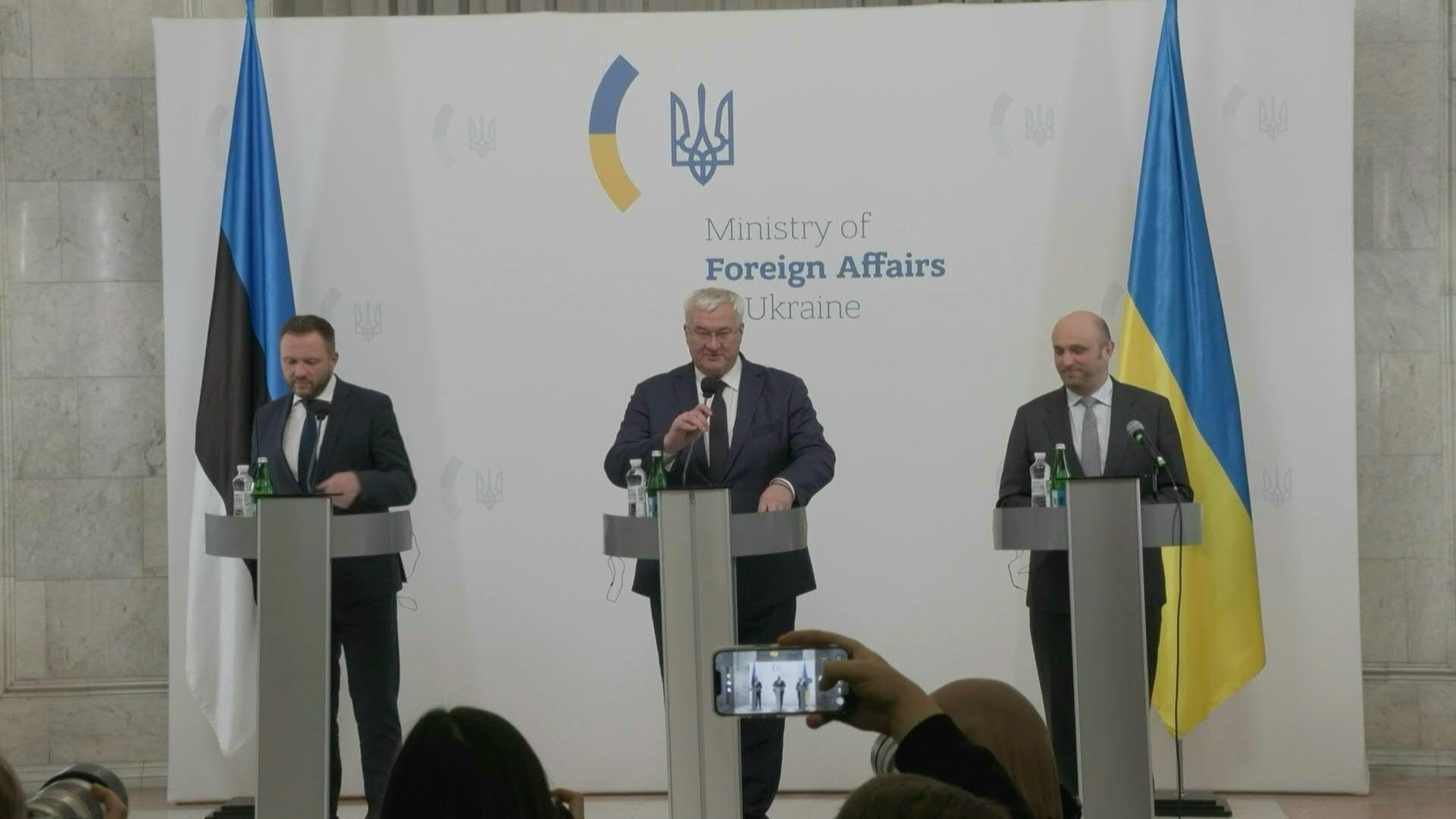
Twelve political parties pledged on Tuesday, November 24, 2026, to renounce violence in the run-up to Nigeria’s 2027 general elections. They signed a peace agreement at a stakeholders’ meeting convened by Inspector General of Police Olatunji Disu, with the Independent National Electoral Commission (INEC) in attendance.
The signing took place at the Goodluck Ebele Jonathan Peace Conference Hall at Force Headquarters in Abuja, with INEC Chairman Professor Joash O. Amupitan and party leaders present.
By signing, the parties committed to renounce political violence and thuggery, comply with electoral laws and INEC guidelines, restrain their supporters, and settle post-election disputes through the courts rather than reprisals. IGP Disu said the police would remain neutral in political contests but would not tolerate violence. He said no political ambition is worth a Nigerian’s life. His sharpest warning was for sponsors and financiers of political thugs, along with those who commit violence or attack electoral officials. They will face legal consequences, he said, regardless of office or party.
Amupitan urged strict compliance with the Electoral Act 2026 and INEC’s regulations. He pointed parties to sections 95, 96 and 97, which require written notice to the commissioner of police and INEC at least 10 days before rallies. He also noted that section 148 empowers INEC to prosecute electoral offenders once the police send completed case files. That ties prosecution to the quality of police investigations, so the two institutions must work together if the warnings are to carry weight.
The police statement, issued by spokesperson Ani Eniedu, did not name the 12 signatories. Nigeria has many more registered parties than that, so it is unclear which were absent. The signing also follows several earlier accords this year. Presidential candidates and party chairmen signed a National Peace Accord on August 18, organised by the National Peace Committee under Gen. Abdulsalami Abubakar. Peter Obi (NDC), Adewole Adebayo (SDP) and Omoyele Sowore (AAC) were among those reported to have taken part. Accounts differ on whether President Bola Tinubu signed or was represented by George Akume. Thirteen parties also signed a pact before the Ekiti governorship election in June.
Doubts have also been raised on whether the agreement would guarantee a peaceably electoral process. Obi questioned at the August ceremony why politicians should need to sign such a document at all, saying conduct matters more.
Amupitan has said accords must go beyond ceremony to practical adherence, and election violence has recurred despite pacts before past polls. The agreement will be judged on whether the signatories are published, whether sponsors of violence are actually prosecuted, and whether the 10-day rally notice rule is applied evenly to every party. With the first polls about seven weeks away, those answers will come soon.