
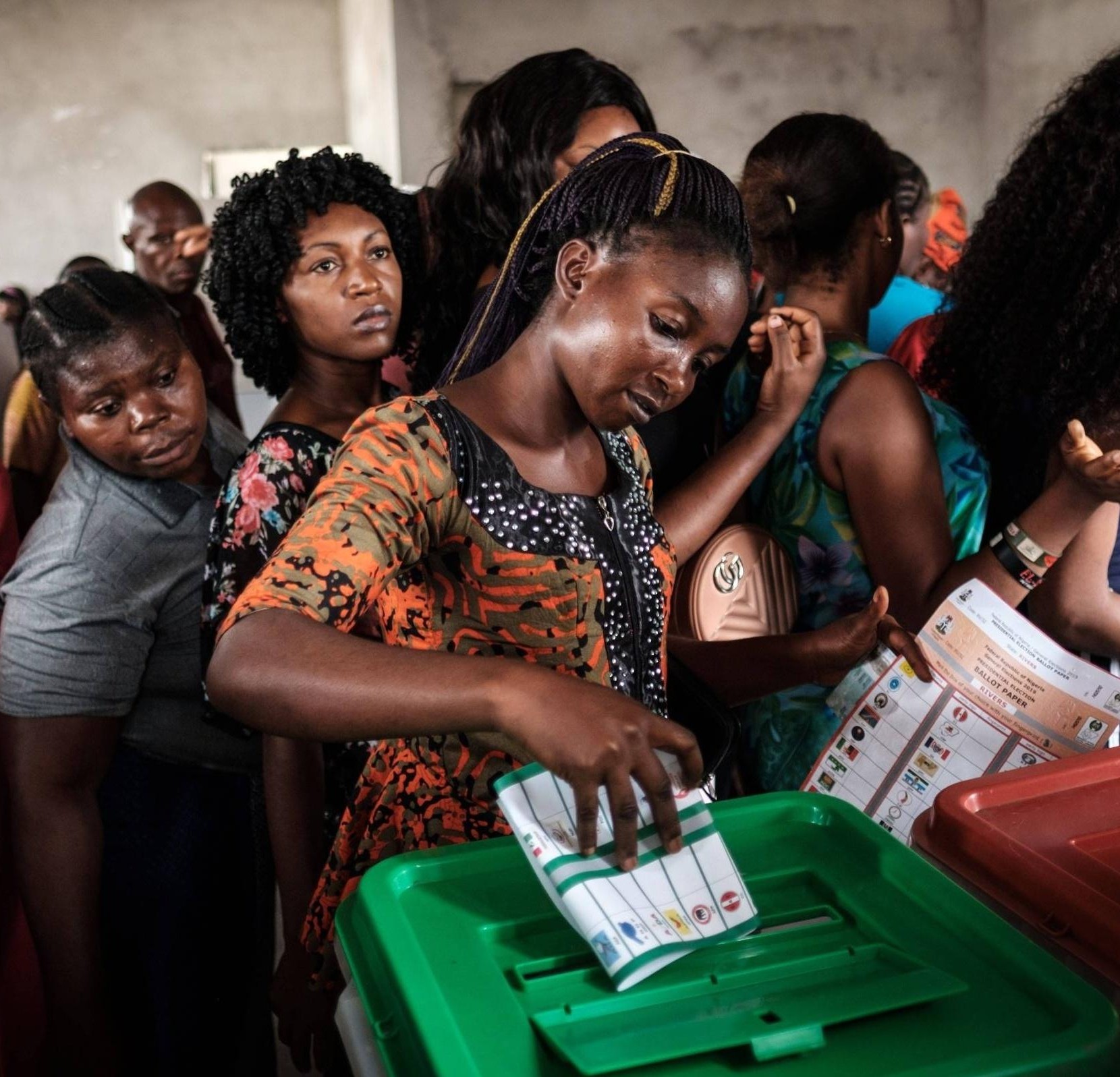
As preparations gradually gather momentum for Nigeria’s 2027 general elections, concerns over voter apathy are once again taking centre stage, with electoral stakeholders, civic groups and citizens calling for increased participation in the democratic process.
Despite Nigeria’s large voting-age population, many eligible voters remain reluctant to participate in elections, often expressing doubts about whether their votes will make a difference. Political analysts say this declining interest in voting poses a challenge to democratic governance, as low voter turnout can weaken public participation and accountability.
Since Nigeria’s return to democratic rule in 1999, the country’s electoral process has witnessed significant reforms alongside recurring challenges. Incidents such as vote buying, electoral violence, ballot box snatching and disputes over election outcomes have, over the years, contributed to declining public confidence in the electoral system.
Political observers note that these concerns have particularly influenced many young Nigerians, some of whom believe that their individual votes cannot significantly affect election outcomes. Others cite previous electoral experiences and perceptions of irregularities as reasons for their reluctance to participate in elections.
However, democratic governance experts maintain that every vote contributes to the legitimacy of an election and the strengthening of democratic institutions. They stress that voting remains a constitutional right and civic responsibility through which citizens participate in choosing their leaders and shaping national development.
According to them, high voter turnout enhances the credibility of elections, promotes accountability and ensures that elected leaders reflect the will of a broader section of the population. They add that abstaining from voting leaves electoral decisions in the hands of fewer citizens.
Speaking on the importance of voter participation, 24-year-old graduate, Akindaye Ayobami, said Nigerians should not be discouraged by the belief that individual votes do not count.
He urged eligible citizens to actively participate in elections, noting that collective participation provides an opportunity for citizens to influence governance and national development.
Similarly, a student of Nile University, Husna Hassan, encouraged Nigerians, particularly young people, to exercise their voting rights regardless of concerns about the electoral process.
According to her, sustained participation by citizens remains essential for preserving democratic values and strengthening public confidence in the country’s electoral system.
Offering a different perspective, shop owner Musa Dajuma expressed support for the current administration, stating that he believes President Bola Tinubu should be given more time to implement his policies. He said while every Nigerian has the constitutional right to vote according to personal conviction, he is satisfied with the direction of the present government and would support its continuation.
Experts say addressing voter apathy will require sustained voter education, continuous electoral reforms and greater transparency in the conduct of elections. They also emphasise the need for increased public confidence in electoral institutions and encourage eligible Nigerians, especially young people, to obtain their Permanent Voter Cards (PVCs) ahead of future elections.
They maintain that active citizen participation remains fundamental to democratic governance, noting that democracy is strengthened when citizens take part in choosing their leaders through peaceful and credible elections.