
For many Nigerians, the news of another aircraft accident has come with a familiar sense of grief.
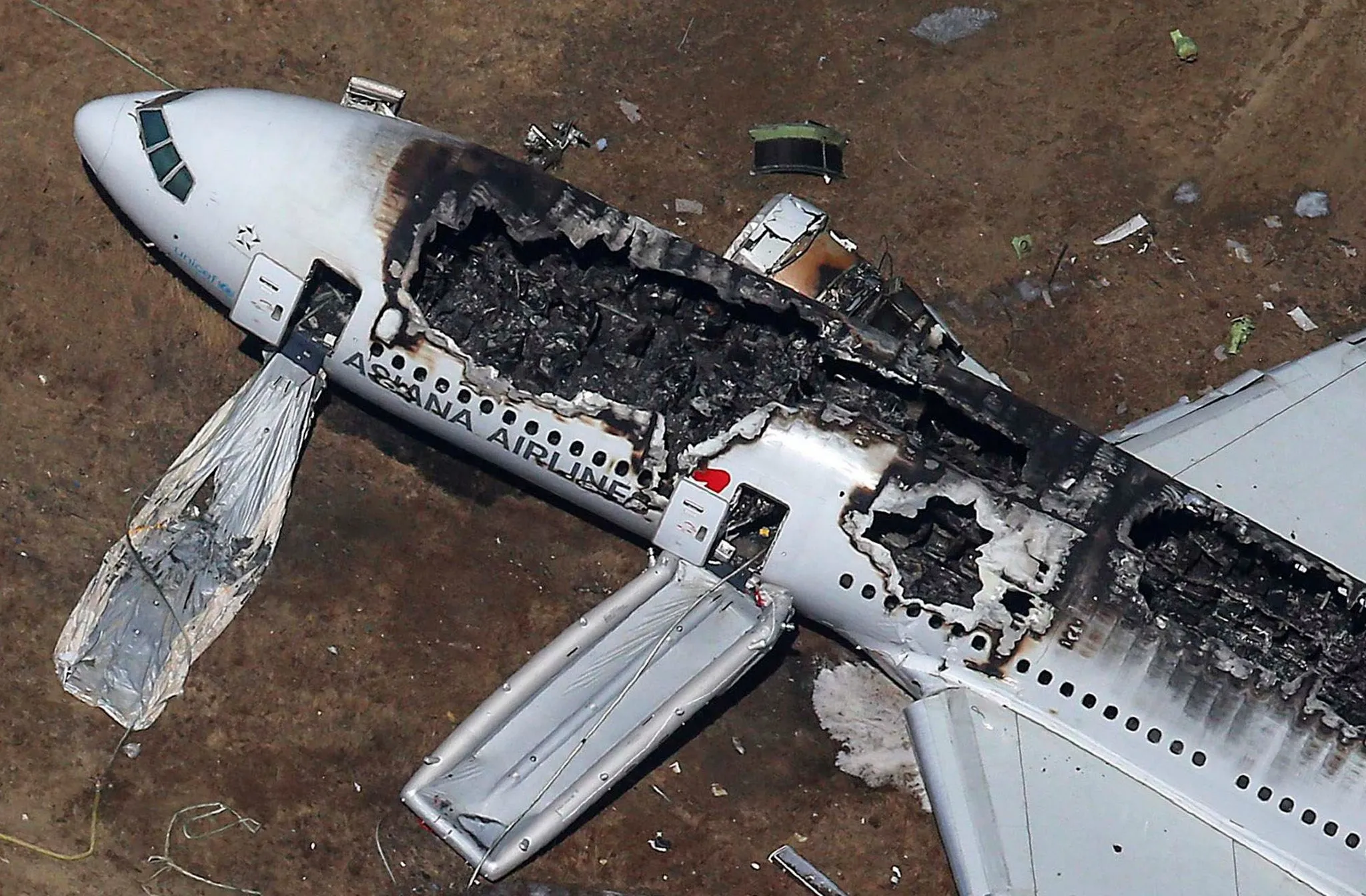
On October 5, a Nigerian Air Force ATR-42 aircraft, NAF 931, crashed in the Igbokoda area of Ondo State while on a routine mission from Benin to Lagos. The Nigerian Air Force later confirmed that all 25 people on board — five crew members and 20 passengers — died in the accident.
The tragedy has prompted three days of national mourning, with President Bola Tinubu directing that flags be flown at half-mast and ordering a thorough investigation into what caused the crash.
But beyond the official statements, the condolences and the images from the crash site, there is a more personal story unfolding.
There are families waiting to come to terms with an empty seat at home. There are colleagues mourning people with whom they served.
And there is a country once again asking questions about aviation safety, emergency response and the risks faced by those who serve.
The Ondo crash has happened at a time when aviation safety has already returned to public attention again.
A Walk Down Recent Memory Lane
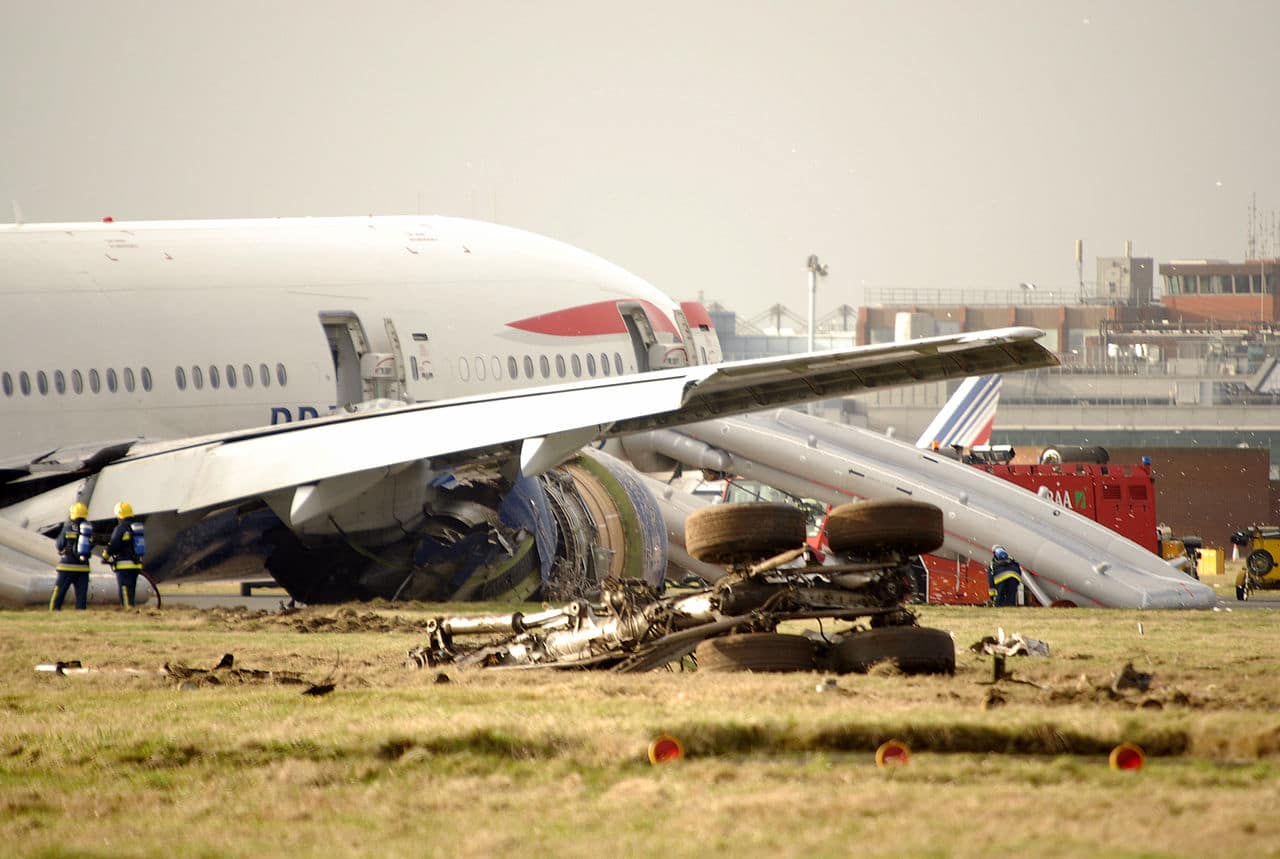
On July 23, 2026, an Embraer ERJ 170 operated by Enugu Air was involved in an accident during a scheduled passenger flight from Lagos to Benin. The Nigerian Safety Investigation Bureau released a preliminary report on the incident in August, while the investigation remains ongoing.
The two incidents are different and there is currently no evidence that they are connected. One involved a commercial passenger aircraft, while the other involved a Nigerian Air Force aircraft on a military mission yet their closeness in time has inevitably brought aviation safety back into conversations among Nigerians.
For a country where air travel has become an increasingly important part of movement between major cities, every serious aviation accident carries a significance that goes beyond the aircraft involved.
The Questions That Remain
While Nigerians mourn, important questions remain unanswered.
What caused the aircraft to crash?
Why was contact with the aircraft lost?
Were there warning signs before the accident?
And were there lessons from previous aviation incidents that could help prevent another tragedy?
At this point, there are no confirmed answers to those questions.
The Nigerian Air Force has ordered a comprehensive investigation, while the President has also called for an investigation into the circumstances surrounding the crash. The Air Force has urged the public to avoid speculation and the circulation of unverified information while the process continues.
That distinction matters and it is best not to draw conclusions or spread fake news about the incident.
Beyond the Headline
Nigeria has a tendency to move quickly.
One major story replaces another, and yesterday’s tragedy can soon disappear from the public conversation.
But the people affected by the Ondo crash do not have that luxury.
For them, October 5 is not simply the date a military aircraft crashed.
It is the day a husband, wife, parent, child, sibling, friend or colleague failed to return home.
That is perhaps the most important part of the story beyond the headlines.
The investigation will eventually tell Nigerians more about what happened to NAF 931. Until then, the country is left to mourn those who died and to remember that behind every aircraft number, military rank and casualty figure is a human life.
And if this tragedy is to mean anything beyond the days of national mourning, the answers that emerge from the investigation must ultimately help make the next journey safer.