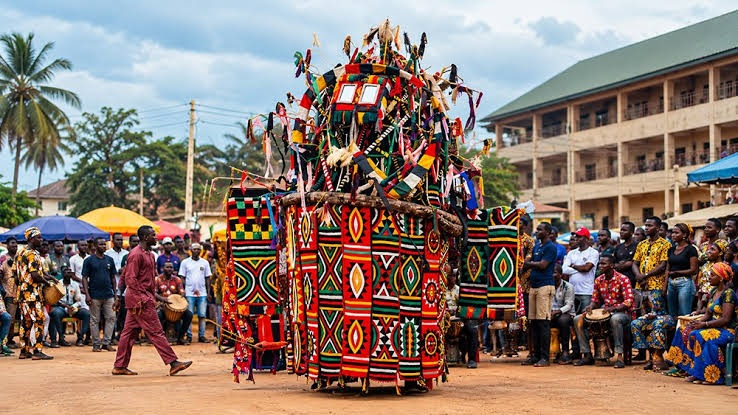

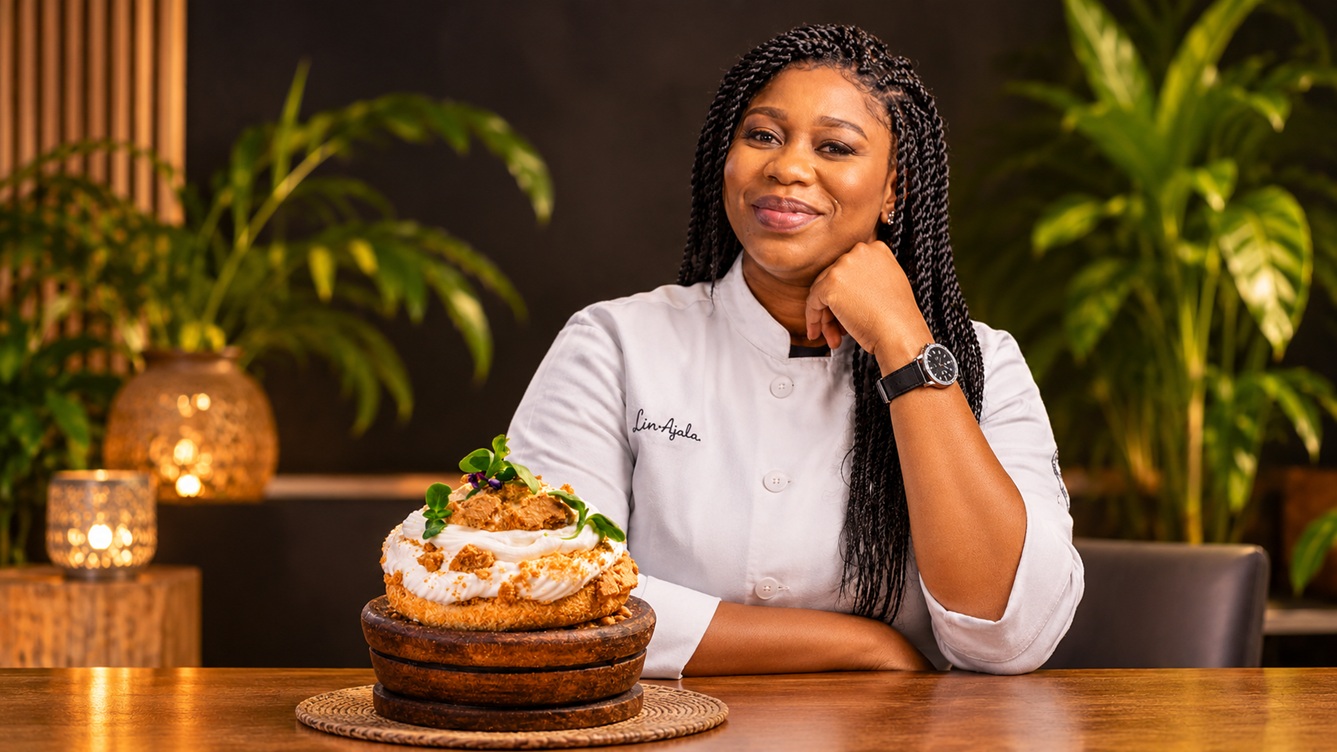
The chef and creative director speaks on the vision behind the fourth edition, themed The Enigma: The Mysterious Garden, and how it will bring food, art, music and African culture together.
For Chef Lin Ajala, food is more than something to eat. It carries identity, history, memories and culture. It is also a way of telling stories, preserving heritage and introducing people to new ways of experiencing familiar ingredients.
That thinking is at the heart of ODUN, an annual celebration of food, art, music and African culture that Ajala created to go beyond the conventional dining experience.
As the event prepares for its fourth edition, ODUN continues to explore the possibilities of African cuisine through contemporary cooking, artistic expression and cultural storytelling. This year’s edition, themed The Enigma: The Mysterious Garden, is designed to invite guests to embrace curiosity and discover the unexpected.
Speaking about the inspiration behind the experience, Chef Lin says she wanted to create something that would present African food stories differently.
She believes that although Africa has a rich culinary heritage, many indigenous ingredients, traditional techniques and food traditions remain unexplored or are presented within familiar frameworks.
“I wanted to challenge that perception by taking indigenous ingredients, traditional techniques and cultural references and presenting them through a contemporary culinary lens,” she says.
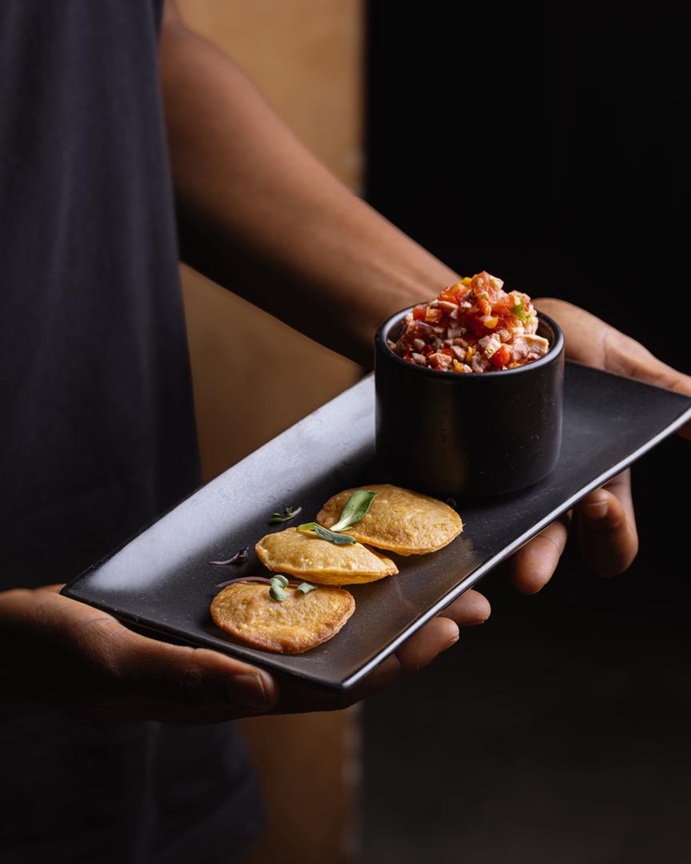
For Chef Lin Ajala, ODUN is a creative space where she can experiment, research and collaborate while encouraging guests to look at African food beyond what they already know. Over its previous editions, the event has evolved from an intimate culinary expression into a multidisciplinary cultural experience bringing together gastronomy, fashion, music, art and storytelling.
She says each edition reflects a different stage of her growth as a chef, researcher and creative professional, while remaining rooted in the original purpose of telling African stories through food.
This year’s theme, The Enigma: The Mysterious Garden, draws on the idea of a garden as a symbol of abundance, discovery, growth and the relationship between people and nature. Ajala wants guests to approach the experience without fixed expectations, allowing each part of the event to reveal something new.
Her travels to Windhoek, Bali and Zanzibar have also influenced the creative direction of this edition. The experiences exposed her to different food cultures, ingredients and preservation methods, which have informed her culinary thinking.
“Indigenous Nigerian ingredients are the canvas; the techniques and influences I have encountered elsewhere become another language through which I express them,” she says.
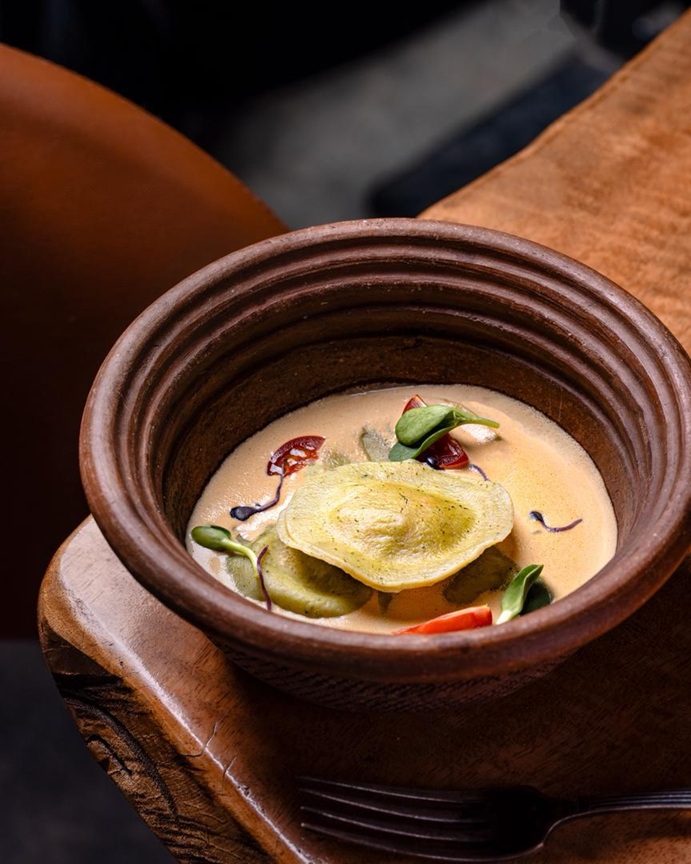
Her approach to menu development begins with a story, an ingredient or a cultural reference rather than a particular dish. She researches the origins of ingredients, their traditional uses and the techniques associated with them before exploring new ways to present them.
She is also interested in sustainability and making full use of ingredients, believing that there are possibilities beyond their most obvious applications.
For Ajala, preserving tradition and experimenting with food are not opposing ideas. Instead, she believes innovation must begin with an understanding of the culture and knowledge behind an ingredient.
“The ingredient must still speak. The flavour must make sense, and the cultural reference must remain recognisable,” she says.
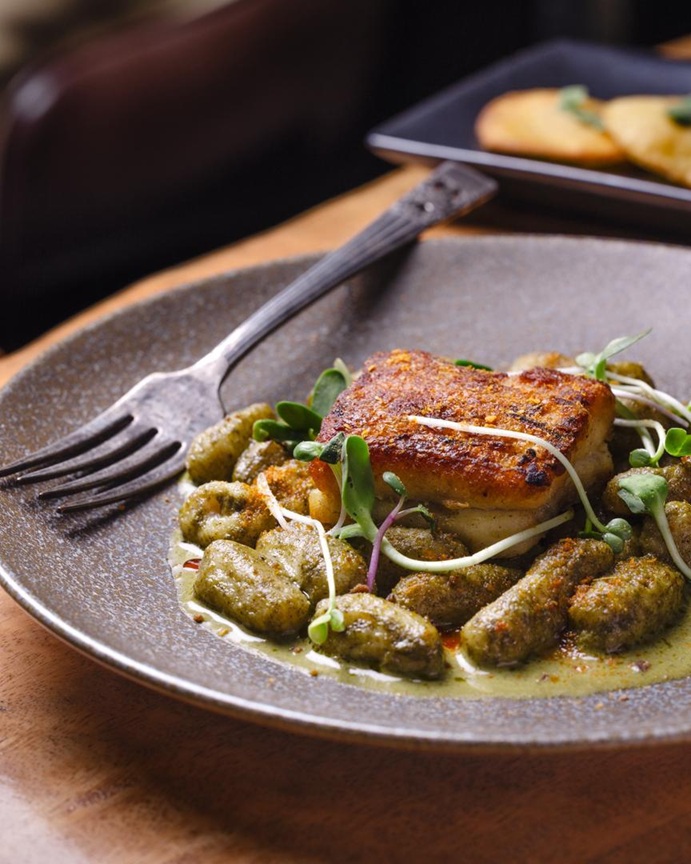
Beyond the menu, ODUN 4.0 is expected to bring its garden-inspired concept to life through curated food displays, a grazing table, spoken-word performances and music. Each element is being developed to contribute to a shared narrative rather than function as a separate attraction.
The setting will establish the mood, while the food displays will introduce the colours and textures of ingredients. Spoken word and music will add emotional and cultural dimensions to the experience.
Chef Lin says this combination reflects the way food naturally connects with other aspects of African life, including music, fashion, art, language and social interaction.
She hopes guests will engage with the experience through all their senses, rather than simply arrive, eat and leave.
Although she wants them to appreciate the atmosphere and artistic expressions, the food and the stories behind it remain her biggest priorities.
“I want someone to leave ODUN having discovered an ingredient they had never paid attention to before, tasted a familiar Nigerian flavour in an entirely new expression, or developed a different appreciation for something they grew up eating,” she says.
She also sees ODUN as a platform for presenting African cuisine to international audiences on its own terms. According to her, African food is often introduced through limited representations, despite the continent’s diverse ingredients, fermentation traditions, preservation methods and regional cooking knowledge.
She believes more platforms are needed to document and present these traditions with depth, while giving African chefs opportunities to lead conversations about their culinary heritage.
Building an experience that combines food, culture and entertainment, however, comes with its own demands. she identifies planning, coordination and communicating a creative vision to different teams as some of the biggest challenges.
Looking beyond the upcoming edition, she hopes to grow the experience beyond an annual dinner into a recognised platform for African culinary storytelling, research, collaboration and cultural exchange.
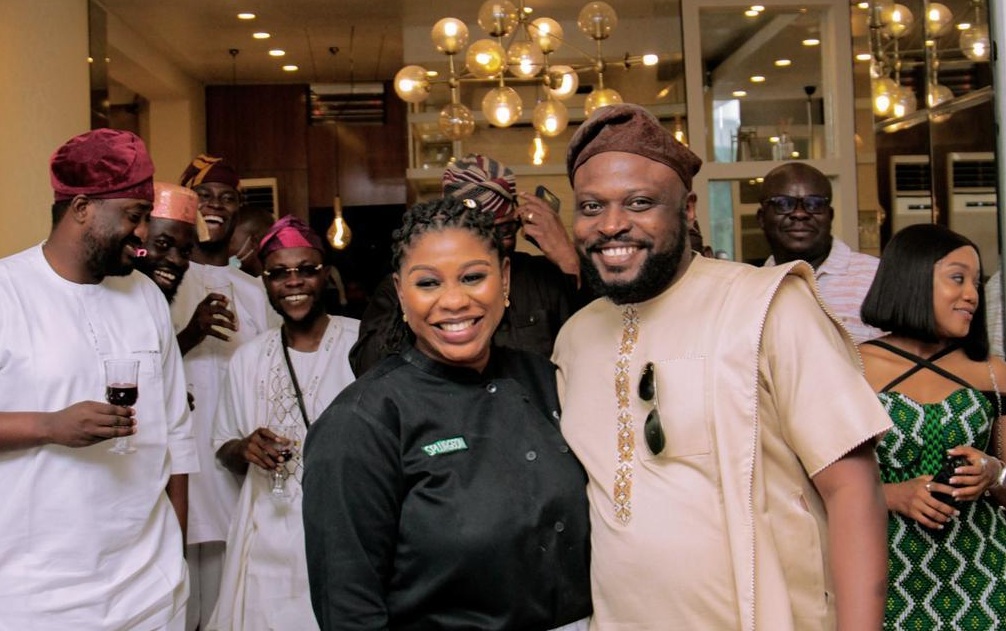
Her vision includes creating opportunities for chefs, food researchers, artists, designers and farmers to explore African food heritage, document traditional knowledge and develop new creative expressions.
“I want us to move beyond simply celebrating what we have inherited and begin actively shaping what the next generation will inherit,” she says.