
Compiled By: Malami Haruna Dogon daji
30 SEPTEMBER, 2026
As diplomatic backchannels work overtime to defuse a protracted crisis, Tehran has received Washington’s formal response to its proposal aimed at ending the seven-month US-Iran war.
Diplomatic Breakthrough or Continued Stalemate?
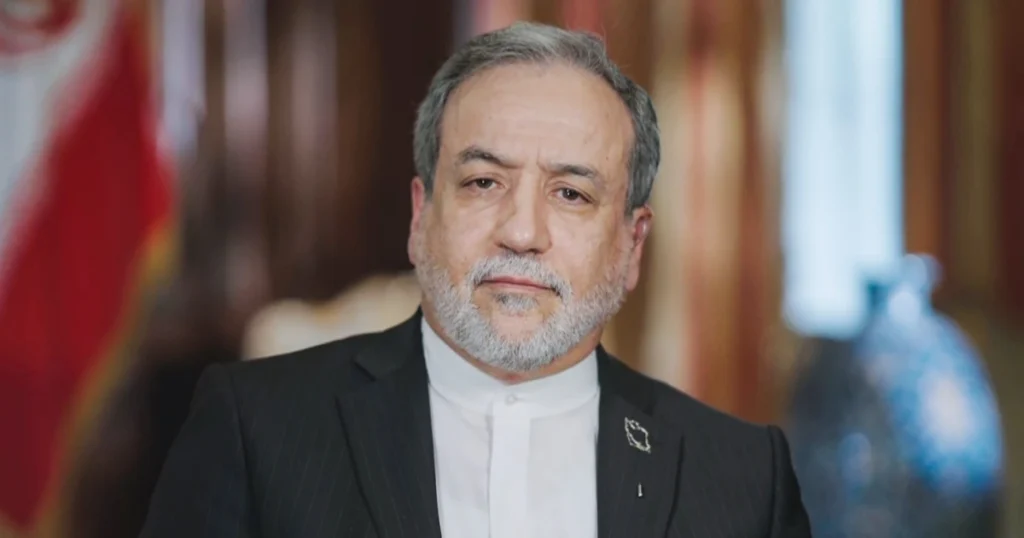
Iran announced that Foreign Minister Abbas Araghchi presented the official American response to President Masoud Pezeshkian during a cabinet meeting on Wednesday, September 30. With neither Washington nor officials in Tehran publicly releasing the text, analysts warn it remains premature to declare a ceasefire or assume the conflict is drawing to a close.
The arrival of preseason messages follows a period of mixed public signals. While President Donald Trump publicly rejected an initial seven-day peace proposal from Tehran, diplomatic channels have quietly persisted.
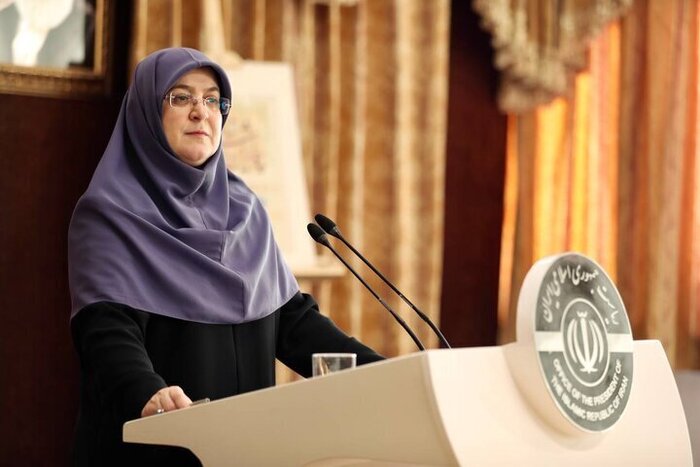
“Trump’s public remarks were not the same as an official diplomatic response, prompting Tehran to wait for the formal message through mediators.” — Fatemeh Mohajerani
Core Demands and Strategic Sequencing
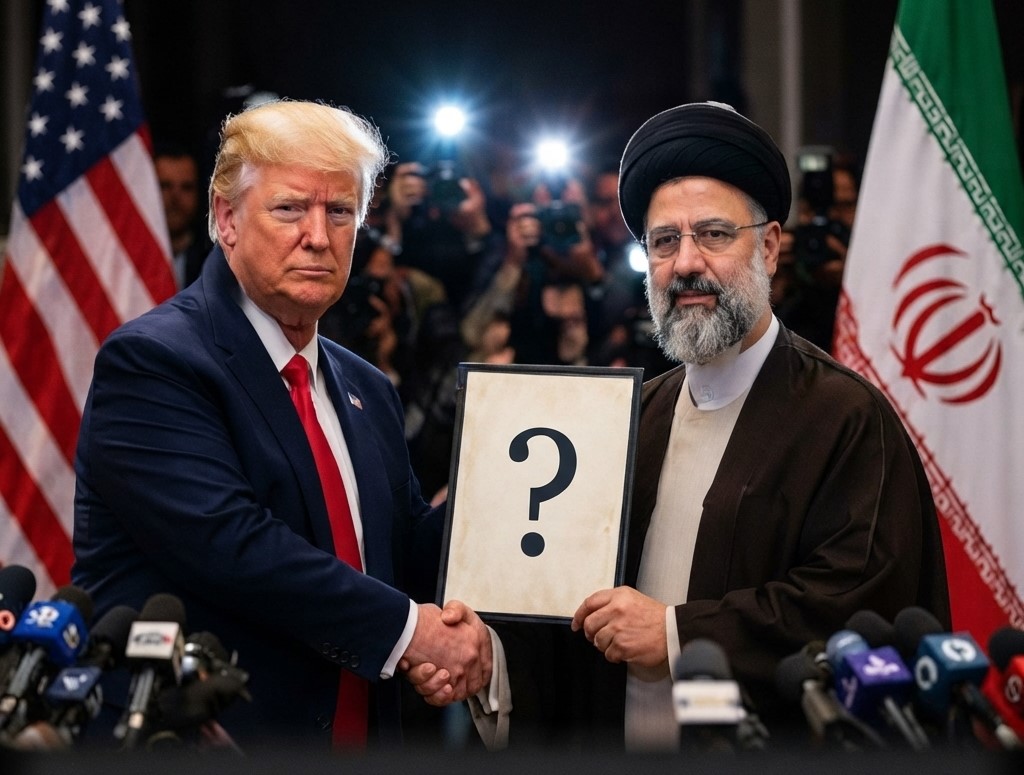
The underlying dispute centers on competing sequences for de-escalation. Tehran’s peace proposal reportedly required concrete US actions before easing pressure on the vital Strait of Hormuz.
- Cessation of Hostilities: A comprehensive halt to fighting across Iran, the wider region, and Lebanon.
- Economic Relief: The lifting of the US naval blockade, removal of oil export sanctions, and the release of roughly 12 billion dollars in frozen Iranian assets.
- Energy and Nuclear Talks: Reopening the Strait of Hormuz alongside the resumption of negotiations on Iran’s nuclear programme.
Conversely, Washington continues to push for immediate restrictions on uranium enrichment and concessions on regional military capabilities before granting major sanctions relief.
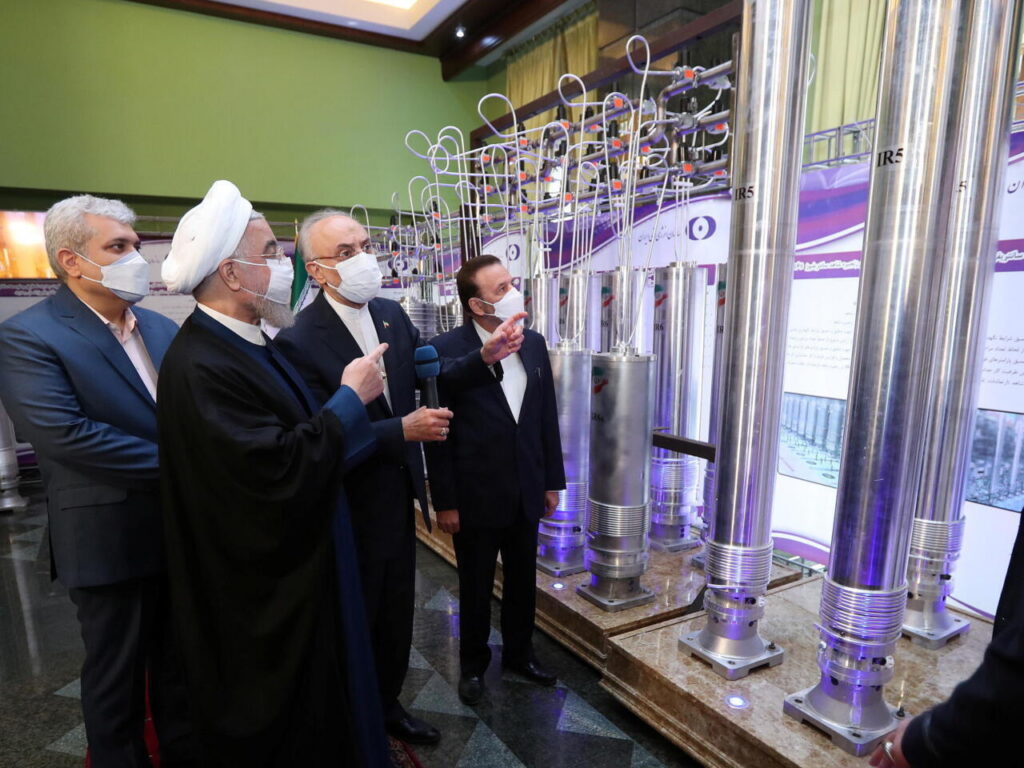
Fast Facts: The Anatomy of the Conflict
- Conflict Outbreak: February 28, 2026, following coordinated US and Israel strikes on military and nuclear infrastructure.
- The Chokepoint: The Strait of Hormuz remains a critical energy corridor affecting global oil prices, freight costs, and international inflation.
- Current Status: A conditional diplomatic exchange under review by Iranian leadership, succeeding a temporary truce reached in April.
The Social Call-to-Action (CTA):
As diplomatic efforts navigate this critical juncture, what role should international mediators play in securing a lasting peace in the Middle East? Share your thoughts on NTA’s social media platforms @NTANetwork.