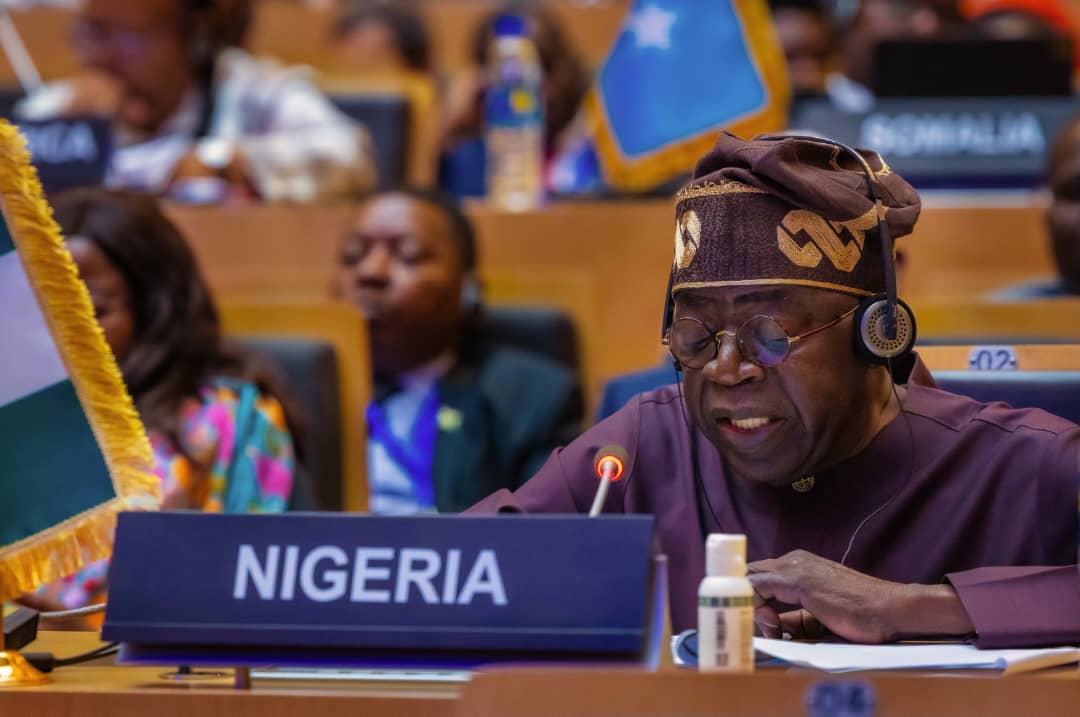

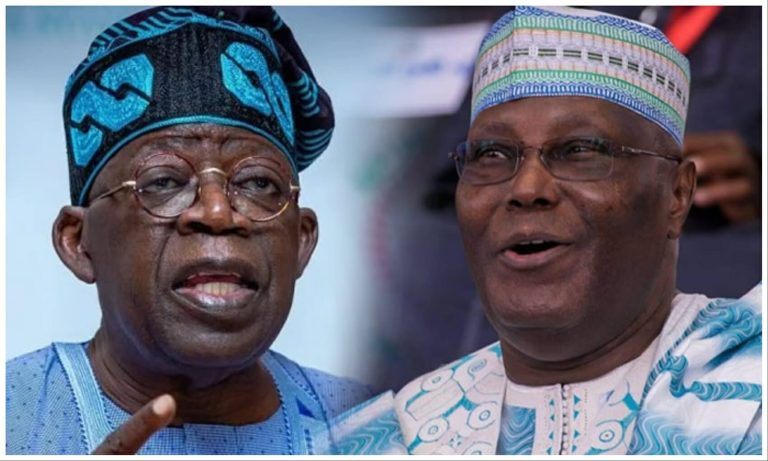
The All Progressives Congress has defended President Bola Ahmed Tinubu’s decision to remove the petrol subsidy, arguing that the controversial policy was necessary to prevent further pressure on Nigeria’s finances and create room for investment in critical sectors.
The party’s position followed former Vice-President Atiku Abubakar’s proposal to restore the subsidy ahead of the 2027 general elections, a move the APC says could undermine the fiscal gains achieved since the reform was introduced.
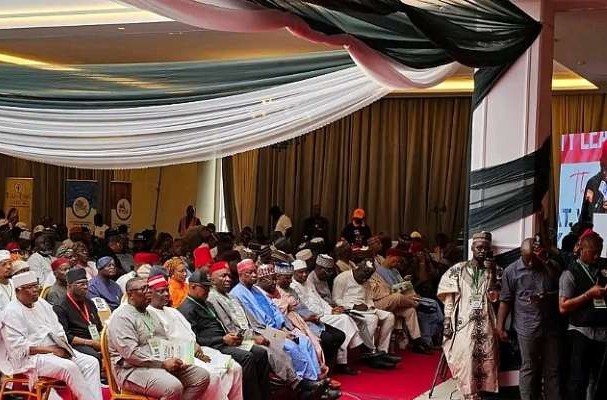
Speaking at the second edition of the APC Professionals Forum’s Policy Roundtable in Abuja, the party’s National Chairman, Prof. Nentawe Yilwatda, who represented President Tinubu at the event, said the administration inherited serious economic challenges when it assumed office in May 2023.
According to him, these included distortions in the fuel subsidy system, multiple foreign-exchange windows, weak revenue mobilisation, foreign-exchange shortages, rising debt-service obligations and years of inadequate investment in infrastructure.
Yilwatda argued that the government’s reforms had begun to produce measurable improvements, citing gross external reserves of about $52.7 billion as of August 2026 and an increase in consolidated non-oil revenue from approximately N13.63 trillion in 2023 to N16.4 trillion in the first two quarters of 2026.
He also pointed to an improvement in Nigeria’s merchandise trade position, saying the country moved from a surplus of about N44.8 billion for the whole of 2023 to approximately N7.54 trillion in the first quarter of 2026. Real Gross Domestic Product also grew by 4.43 per cent in the second quarter, while inflation had eased to about 15.4 per cent, he said.
The APC chairman said the figures formed part of the administration’s broader strategy to build a $1 trillion economy by 2030, with investments in infrastructure, energy, education, transport and other productive sectors.
He urged Nigerians to consider carefully whether the country should continue with the reforms or return to policies that the APC said had contributed to fiscal pressure.
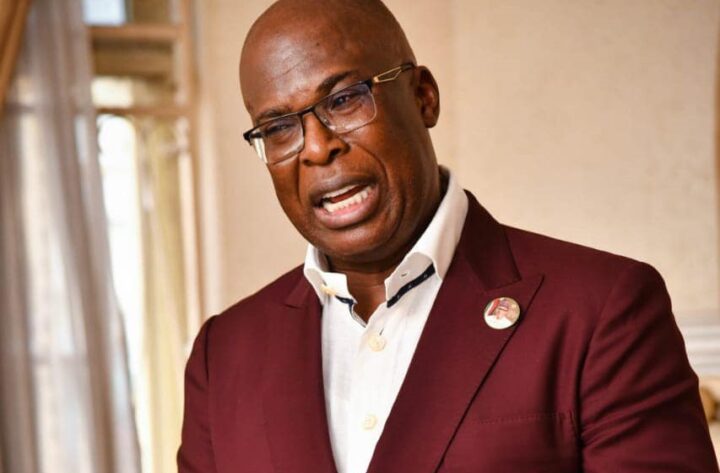
Also defending the subsidy removal was former Bauchi State Governor and Chairman of the Board of Trustees of the APC Professionals Forum, Dr Isa Yuguda, who recalled his experience as chairman of the Fuel Subsidy Task Force in 2009.
Yuguda said the committee had identified irregularities, fraudulent practices and financial leakages within the subsidy regime, arguing that the system had consumed resources that could otherwise have been deployed to sectors such as healthcare, education, agriculture, security and infrastructure.
He described subsidy removal as a difficult reform but said it had created fiscal space for government to finance other priorities. He put the savings from the exercise at more than N15 trillion.
Yuguda also criticised Atiku’s proposal to restore the subsidy, warning that returning to the previous system without addressing the problems associated with it could recreate the leakages and financial burden that the government had sought to eliminate.
He said the 2027 presidential election should focus on competing economic programmes, achievements and realistic solutions rather than promises that could provide short-term relief while creating longer-term financial difficulties.
The APC’s defence of the policy comes amid continuing debate over the economic consequences of subsidy removal. While the government maintains that the reform has strengthened public finances and created room for investment, critics have continued to point to the cost-of-living pressures experienced by households following the sharp increase in fuel prices.
The debate is therefore likely to remain a major issue ahead of the 2027 election, with the competing positions of the government and opposition parties offering voters different approaches to managing fuel prices, public finances and economic reform.
For the Tinubu administration, the challenge will be to ensure that the fiscal gains it attributes to subsidy removal translate into tangible improvements in living standards, employment, infrastructure and household purchasing power.