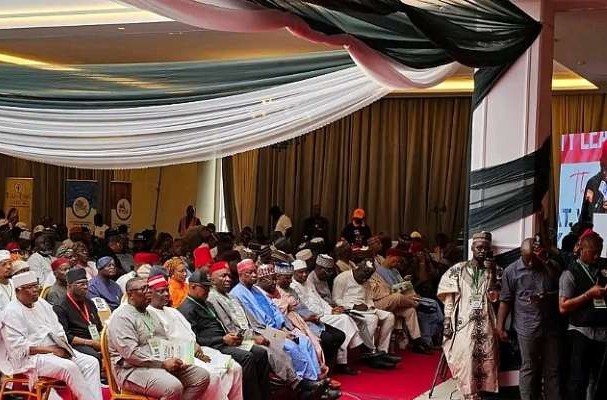

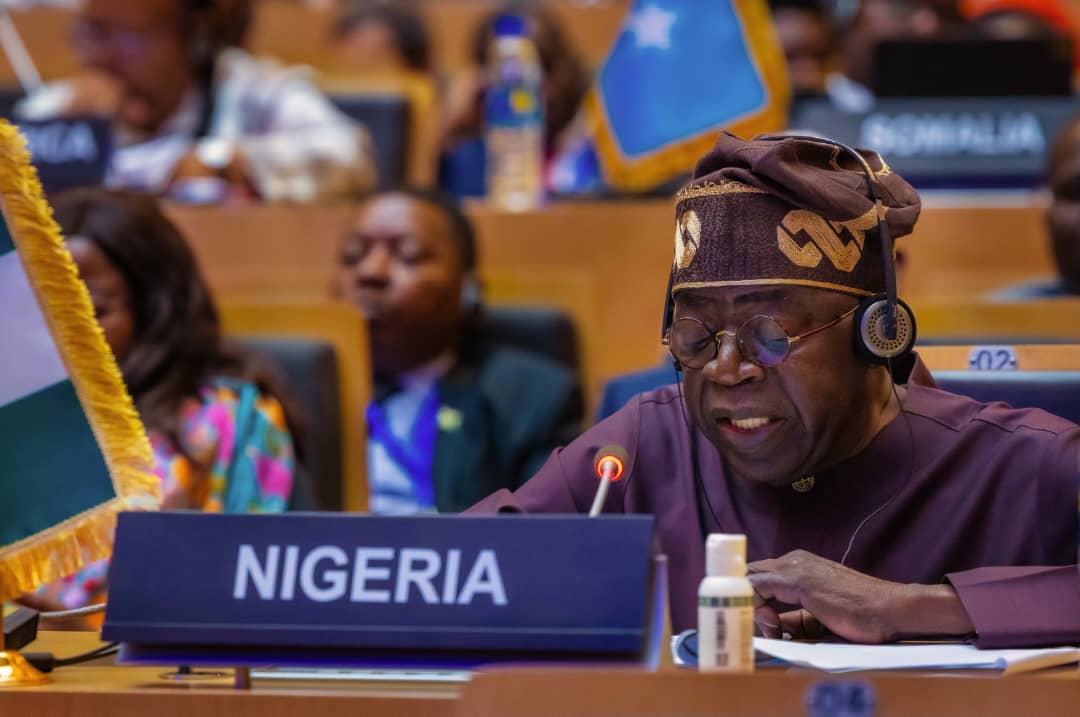
Nigeria has taken its concerns over recurring xenophobic and Afrophobic attacks in South Africa to the African Union, calling for collective action to address the problem.
The issue was raised by President Bola Tinubu through Vice President Kashim Shettima, who represented him at the AU Extraordinary Session in Luanda, Angola.
Nigeria wants the matter placed on the agenda of the AU Assembly’s January 2027 session, where African leaders could consider what steps should be taken to address attacks against African nationals in South Africa.
But with the matter now before the continental body, the bigger question is what happens next.
Nigeria’s latest move follows similar efforts by Ghana, which earlier this year asked the AU to discuss attacks against African nationals in South Africa and proposed a fact-finding mission to examine the causes of the violence.
The request, however, faced resistance from South Africa, which argued that migration is a broader continental issue and should not be treated as a matter involving one country alone.
South Africa has also maintained that it is committed to protecting the rights of foreign nationals and has rejected the idea that the country should be portrayed as hostile to other Africans. Its government has acknowledged concerns over xenophobic incidents while stressing the need to enforce immigration laws.
For Nigeria, the issue goes beyond immigration.
The country is concerned about the safety and dignity of Nigerians and other Africans living in South Africa, while also seeking a response that does not further strain relations between two of the continent’s major political and economic powers.
Nigeria and Ghana have already taken diplomatic steps to press the issue, while Nigeria says it has also completed the voluntary evacuation of 1,490 Nigerians from South Africa following the recent unrest.
The challenge for the African Union will now be turning these concerns into practical action.
That could include stronger monitoring, dialogue between affected countries, measures to address the causes of anti-immigrant sentiment and clearer commitments to protect African nationals wherever they live on the continent.
For Nigeria, the appeal also comes with the need to maintain its long-standing relationship with South Africa, while making clear that the protection of its citizens remains a priority.
As the AU prepares for its next ordinary session in January, attention will therefore shift from the appeal itself to the response it produces.
The question is no longer only whether African leaders recognise the problem.
It is whether they can agree on what to do about it.