
For many Nigerians, social media is no longer just a platform for entertainment or staying connected with friends. It has evolved into a digital marketplace, a classroom, a newsroom, a customer service desk, and for thousands of young people, a source of livelihood.
From small business owners advertising products on Instagram and Facebook, to content creators earning income on YouTube and TikTok, and families keeping in touch through WhatsApp, social media has become an essential part of everyday life.
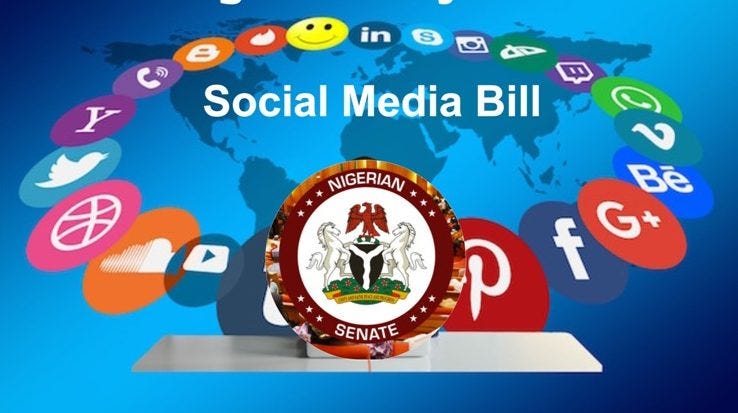
Admidst all of this, a proposed amendment to Nigeria’s data protection law; described by critics as a “social media bill” has generated nationwide discussion.
The proposed legislation which is yet to be passed into law by the National Assembly has raised many eyebrows from Nigerians questioning what it could potentially mean for the Digital Platforms they use on a day to day basis.
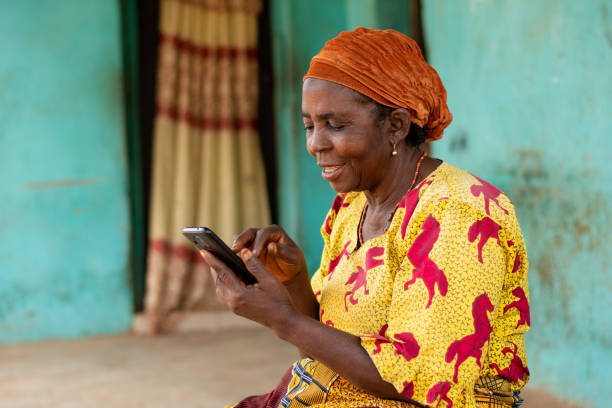
A shot of a cheerful elderly African woman using her mobile phone
Over the past decade, Nigeria has witnessed remarkable growth in its digital economy.
A fashion entrepreneur in Lagos can sell to customers in Kano without opening a physical store. A graphic designer in Enugu can secure international clients through X (formerly Twitter). A teacher in Abuja can upload lessons to YouTube, while a student in Maiduguri attends classes through WhatsApp.
For many young Nigerians, these platforms are not simply social networks—they are workplaces.
This explains why any proposal that could alter how global technology companies operate within the country naturally attracts widespread attention.
So What Does The Proposal Seek To Do?
According to reports, one of the key provisions of the proposed amendment would require major digital platforms and companies that process Nigerians’ data to establish a physical presence within the country.
Supporters believe this would strengthen accountability by ensuring that multinational technology companies operating in Nigeria are more accessible to local regulators.
They argue that having offices in Nigeria could improve compliance with data protection laws, consumer rights, taxation policies, and regulatory oversight.
In essence, companies serving millions of Nigerians would have a greater local presence and be expected to comply more directly with Nigerian legal requirements.
One would say this appears to be a positive development, however it was met with mixed feelings by millions of Nigerians who appear to have specific concerns and questions.
Would the proposed law eventually affect access to popular platforms like Facebook, Instagram, WhatsApp, TikTok, X, or YouTube?
At this stage, there is no indication that these services would automatically become unavailable if the bill becomes law. However, observers say questions could arise if any platform is unable—or unwilling—to meet the proposed legal requirements.
Could disagreements between regulators and technology companies lead to service disruptions?
Would companies change the way they operate in Nigeria?
Could users experience new policies affecting their accounts or data?
For now, these remain possibilities rather than established outcomes, as the legislation is still under consideration.
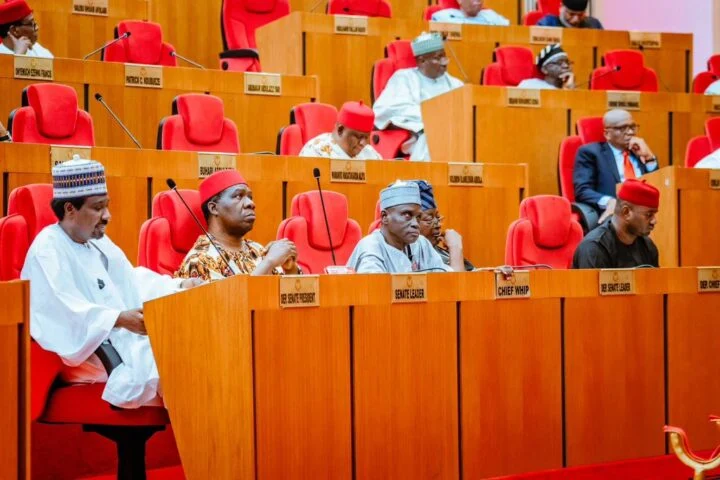
Lawmakers during a Senate plenary session at the National Assembly, Abuja.
A Delicate Balance
At the heart of the debate lies a broader conversation about balancing regulation with digital freedom.
Supporters of the proposal argue that stronger oversight could improve accountability and ensure global technology companies respect Nigerian laws while protecting users’ personal information. It could also mean consumer rights would be protected even more as companies would have to be more accountable in their policies.
What Would Users Notice Once the Bill is Passed?
If the legislation eventually becomes law and technology companies comply with its requirements, the average Nigerian may notice little or no immediate difference in how they use their favourite applications.
WhatsApp messages could continue to arrive instantly.
Facebook and Instagram feeds may look exactly the same.
TikTok creators could continue uploading videos, while YouTube channels remain accessible.
Much of the change, if any, could occur behind the scenes, where companies may need to adjust how they manage users’ data, engage with Nigerian regulators, or structure their business operations within the country.
Looking Ahead
For now, the proposed amendment remains under legislative consideration, meaning its provisions could still be revised before any final decision is reached.
Regardless of the outcome, the conversation has already highlighted one undeniable reality: social media has become much more than a communication tool.
For millions of Nigerians, it is where businesses are built, careers are launched, information is exchanged, and communities stay connected.
The decisions made in the coming months may therefore shape not only the future relationship between Nigeria and global technology companies, but also the digital experience of millions of citizens who log on every day to work, learn, communicate, and create opportunities.