


A major diplomatic and humanitarian emergency is unfolding across the continent as Nigeria activates an emergency voluntary repatriation programme to rescue more than 1,000 of its citizens caught in a deadly resurgence of anti-migrant violence in South Africa.
Terror in the Western Cape
The latest wave of xenophobic unrest has transitioned from isolated urban skirmishes into an organised, terrifying campaign targeting African migrants. In the coastal areas of South Africa’s Western Cape, aggressive anti-immigrant groups have reportedly moved door-to-door, enforcing illegal evictions and demanding that foreign nationals leave the country immediately.
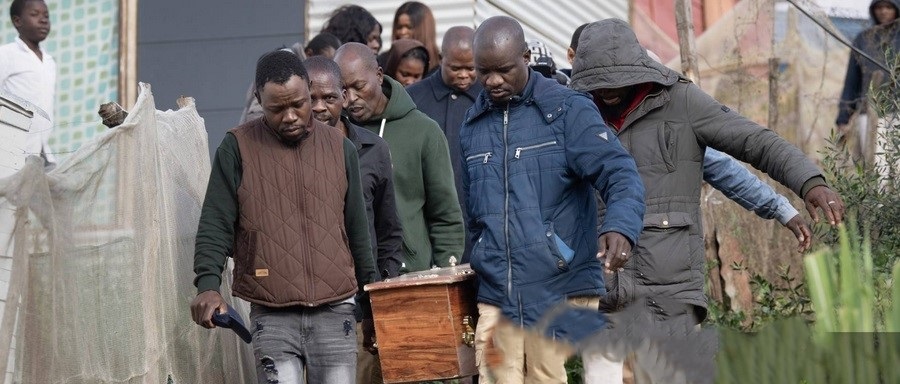
The human cost of the crisis is mounting rapidly. Forced to choose between their belongings and their lives, hundreds of displaced families have sought refuge in makeshift community halls, while others have been driven into nearby mountains to escape vigilante mobs.
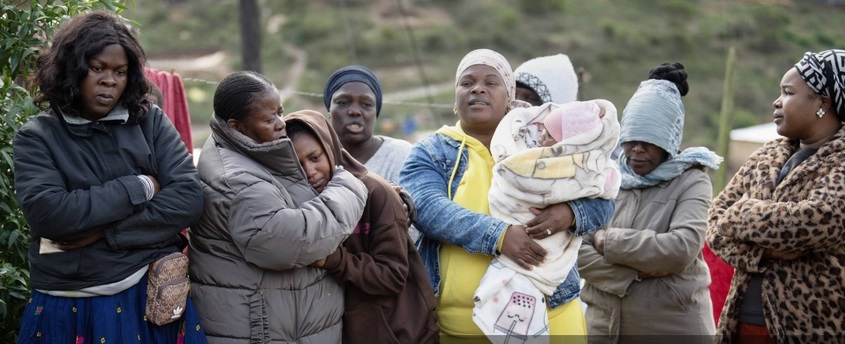
A Regional Humanitarian Crisis
The violence has already turned fatal, triggering shockwaves across the Southern African Development Community (SADC) and West Africa. At least five Mozambican nationals were brutally killed during targeted assaults in Mossel Bay, while two others died in a chaotic road accident while attempting to flee back to their home country.
FAST FACTS: THE XENOPHOBIA SURGE Affected Areas: Western Cape, Mossel Bay, and major South African hubs.
- The Casualties: 5 Mozambican nationals confirmed killed in targeted attacks.
- Nigeria’s Intervention: 1,094 Nigerians currently screened for voluntary evacuation.
- Primary Drivers: High unemployment, poverty, and scapegoating by populist groups.
- Chief Agitators: Extremist anti-immigration movements including Operation Dudula.

Human rights monitors warn that this is not a spontaneous outburst of street anger. Instead, it represents a coordinated onslaught by populist vigilante networks—such as Operation Dudula—that exploit deep-seated local anxieties regarding record-high unemployment, poverty, and systemic crime.

Abuja Intervenes: The Repatriation Drive
Refusing to leave its diaspora vulnerable, the Federal Government of Nigeria has shifted its strategy from standard consular engagement to active evacuation. Nigerian diplomatic officials are currently screening 1,094 citizens who have registered to escape the hostility and return home.

“The current tensions can no longer be treated as a localised policing failure. This is now a severe consular emergency and a regional diplomatic crisis that threatens bilateral ties.” — Continental Security Analyst
To facilitate the evacuation, South African authorities have agreed to waive administrative penalties for visa overstays for the evacuees. However, this waiver explicitly excludes individuals currently facing formal criminal charges in South African courts.
The Cost of Governance Failure
Critics argue that the recurring nature of these attacks stems directly from inconsistent law enforcement by South African authorities. While state police have issued stern warnings against mob actions, slow operational responses have allowed vigilante groups to operate with near-impunity, effectively filling a governance vacuum.

For Nigeria, the geopolitical stakes are incredibly high. The administration must delicately balance the immediate, aggressive protection of its citizens abroad with the critical need to prevent retaliatory violence against South African businesses and interests operating within Nigeria.
The Social Call-to-Action (CTA)
As Nigeria begins evacuating over 1,000 citizens, what permanent measures must the African Union take to hold member states accountable for the safety of foreign nationals? Share your thoughts in the comment section below or engage with us on NTA’s official X and Facebook platforms.