
By Malami Haruna Dogondaji / 07 September 2026
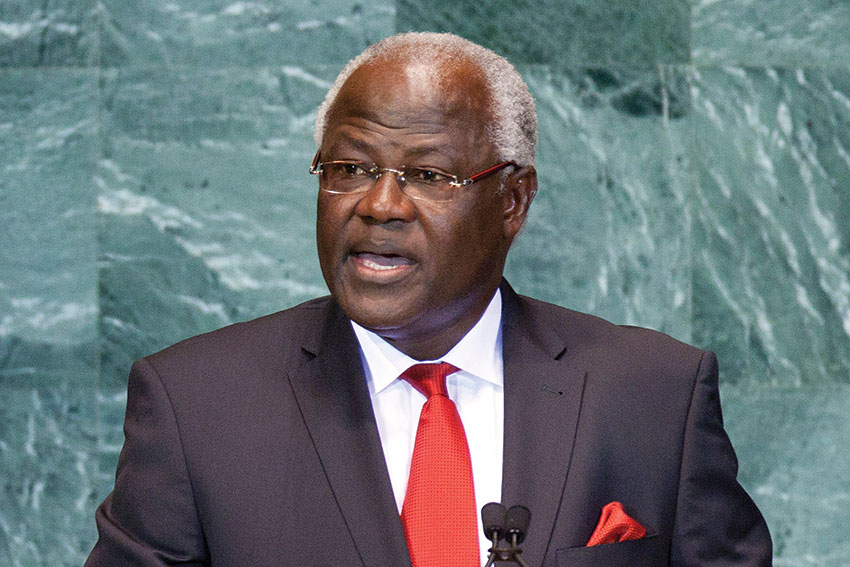
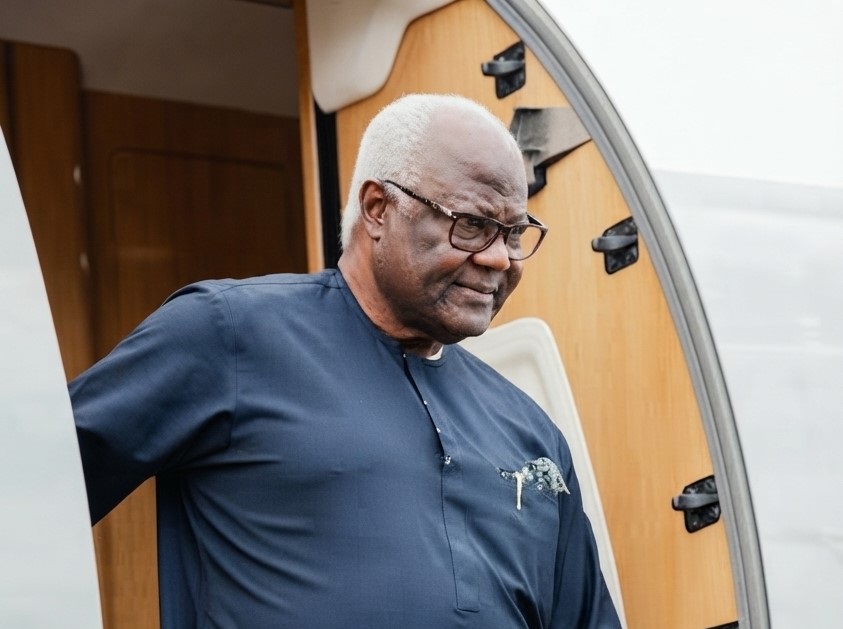
Nigeria has successfully facilitated the return of former Sierra Leonean President Ernest Bai Koroma to Freetown, concluding a complex two-year chapter of regional diplomacy that underscores West Africa’s ongoing quest for democratic stability.
A Calculated Diplomatic Homecoming
The departure of former President Ernest Bai Koroma from Abuja back to his homeland transcended a routine airport farewell, unfolding as a masterclass in modern regional statecraft. Accompanied by Nigeria’s Minister of Foreign Affairs, Hon. Bianca Odumegwu-Ojukwu, acting on the explicit directive of President Bola Ahmed Tinubu, the repatriation highlighted Nigeria’s steadfast commitment to West African solidarity. The diplomatic architecture was further reinforced by former Nigerian presidents Goodluck Jonathan and Olusegun Obasanjo, whose active participation helped bridge the chasm between confrontation and constructive dialogue.
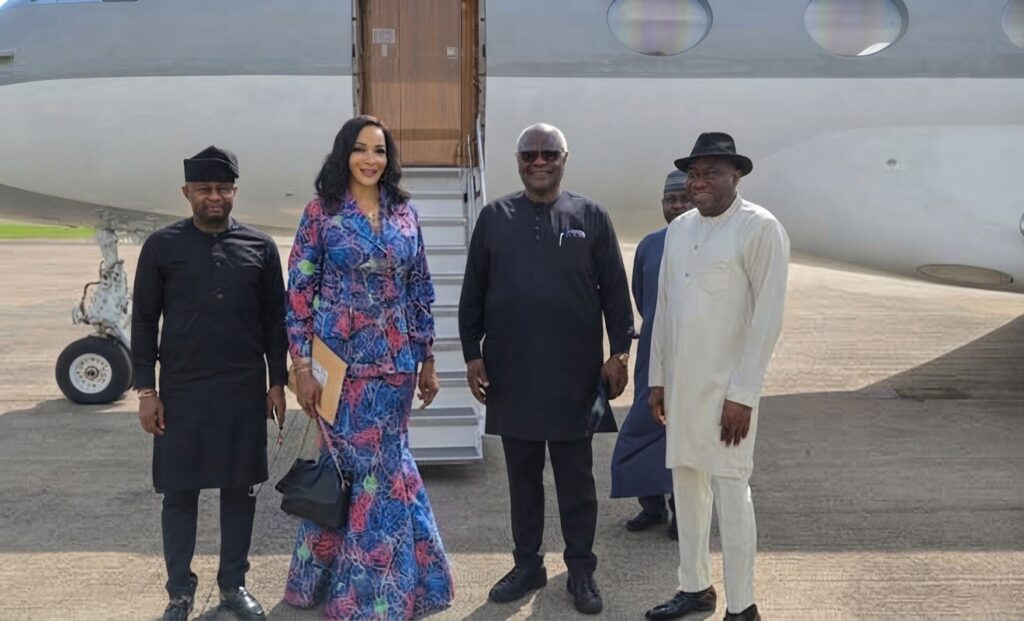
“This development marks the successful conclusion of a regional diplomatic and confidence-building process involving ECOWAS, Nigeria, and other key stakeholders, contributing significantly to peace and reconciliation in Sierra Leone.” — Hon. Bianca Odumegwu-Ojukwu, Minister of Foreign Affairs
Unpacking the 2023 Crisis and Legal Resolution
Koroma’s extended residency in Nigeria began in January 2024 in the wake of severe political instability in Freetown. Sparked by a brazen November 2023 armed uprising targeting military installations, authorities pressed treason-related charges against the former head of state—allegations he consistently rejected. Rather than devolving into an intractable domestic flashpoint, the crisis was successfully internationalised through the Economic Community of West African States (ECOWAS). This regional intervention provided vital breathing space, culminating in the formal discontinuation of legal proceedings by Sierra Leonean authorities and clearing the path for his September 2026 homecoming.
Fast Facts: Koroma’s Return at a Glance
- Former Leader: Ernest Bai Koroma, President of Sierra Leone (2007–2018)
- Temporary Relocation: Abuja, Nigeria (January 2024 – September 2026)
- Key Nigerian Officials: Foreign Affairs Minister Hon. Bianca Odumegwu-Ojukwu, alongside former Presidents Goodluck Jonathan and Olusegun Obasanjo
- Legal Milestone: Treason-related proceedings officially discontinued in Sierra Leone, enabling his safe return
- Regional Framework: Backed by ECOWAS confidence-building and mediation protocols
The Wider Geopolitical Stakes for ECOWAS
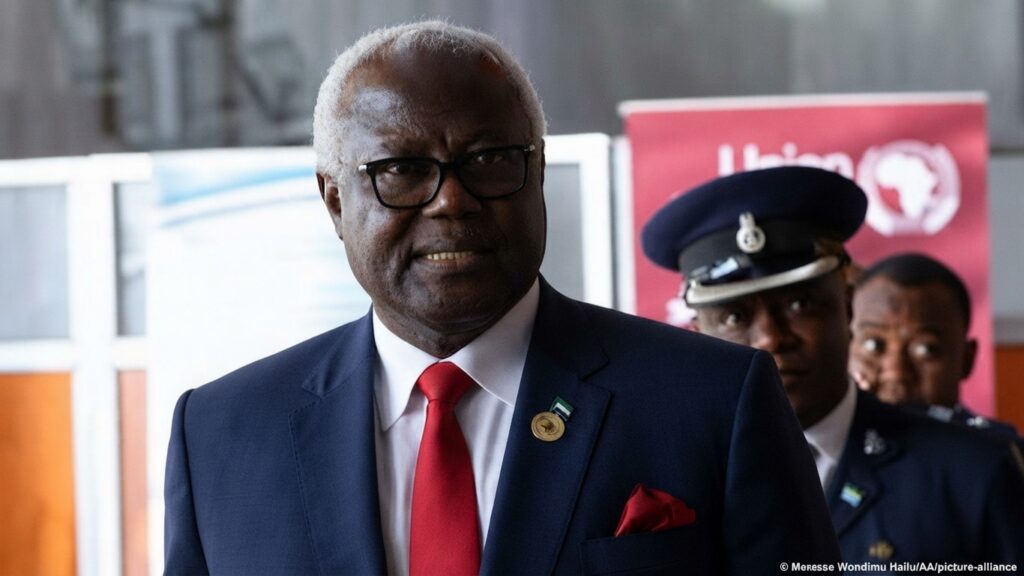
For Nigeria and the broader West African bloc, the resolution serves as a critical stress test of institutional efficacy during a period marked by regional fragmentation. With several member states grappling with unconstitutional changes of government, the Koroma episode demonstrates that quiet, proactive mediation can avert catastrophic outcomes. Nigeria’s ability to offer neutral political asylum and facilitate safe reintegration reaffirms its indispensable diplomatic leadership, proving that regional security relies as heavily on political tact and restraint as it does on hard power.
Charting Sierra Leone’s Path to Sustainable Reconciliation
While Koroma’s physical return closes an extraordinary chapter of exile, the true test for Sierra Leone lies ahead. President Julius Maada Bio’s administration faces the historic responsibility of channeling this momentum into genuine national healing. True reconciliation will require unwavering political restraint from both the ruling establishment and the opposition, absolute fidelity to the rule of law, and institutional strengthening to ensure that future political disagreements never again necessitate regional intervention.

The Social Call-to-Action (CTA)
Do you believe Ernest Bai Koroma’s return marks a genuine new chapter for political reconciliation in Sierra Leone, or is it merely the conclusion of a temporary diplomatic episode? Share your perspective on NTA’s digital platforms and join the conversation on the future of West African democracy.