
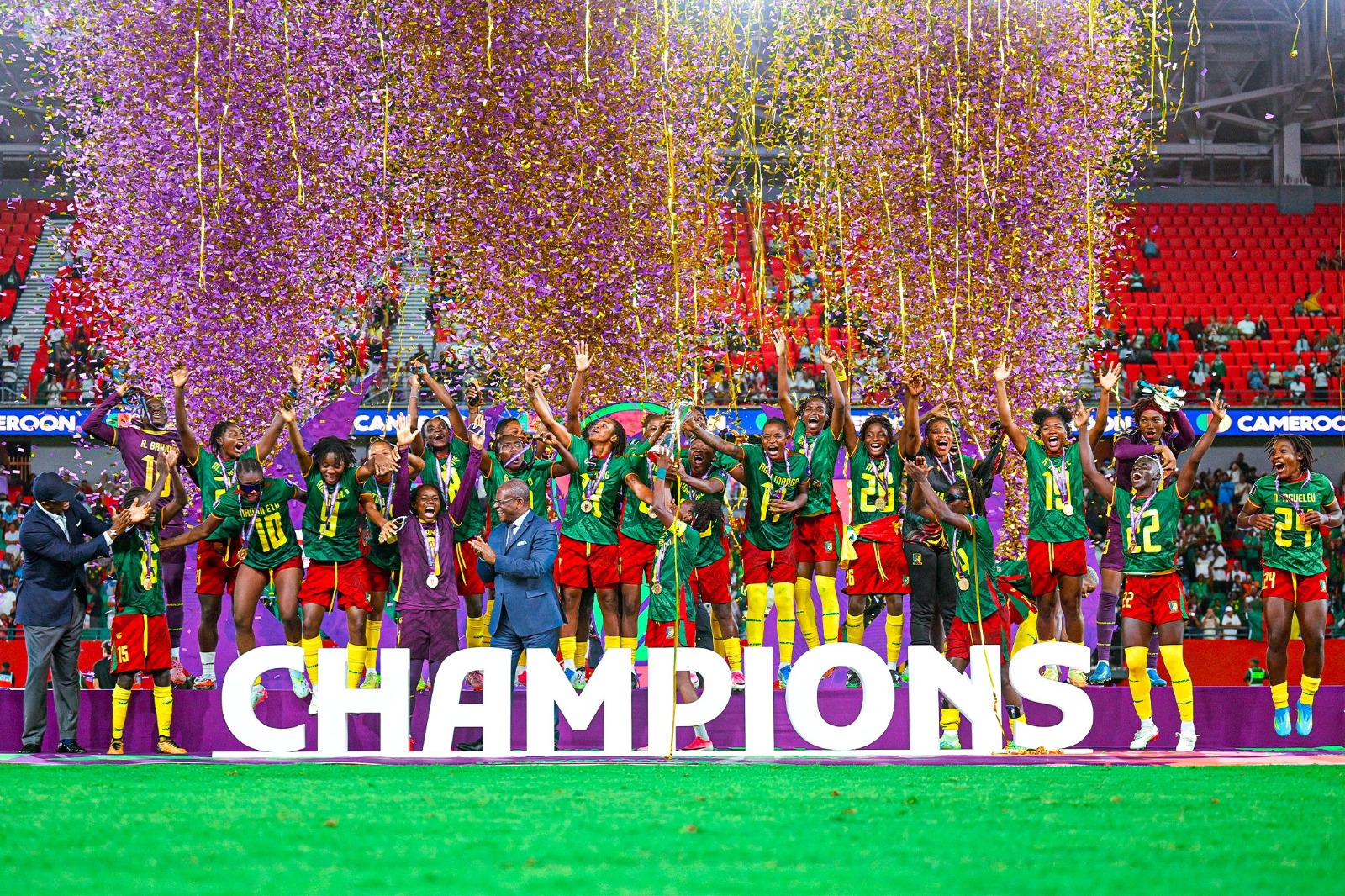
The Indomitable Lionesses have made history, securing Cameroon’s first-ever Women’s Africa Cup of Nations title with a commanding 3–0 victory over debutants Malawi at the Prince Moulay El Hassan Stadium on Sunday night.
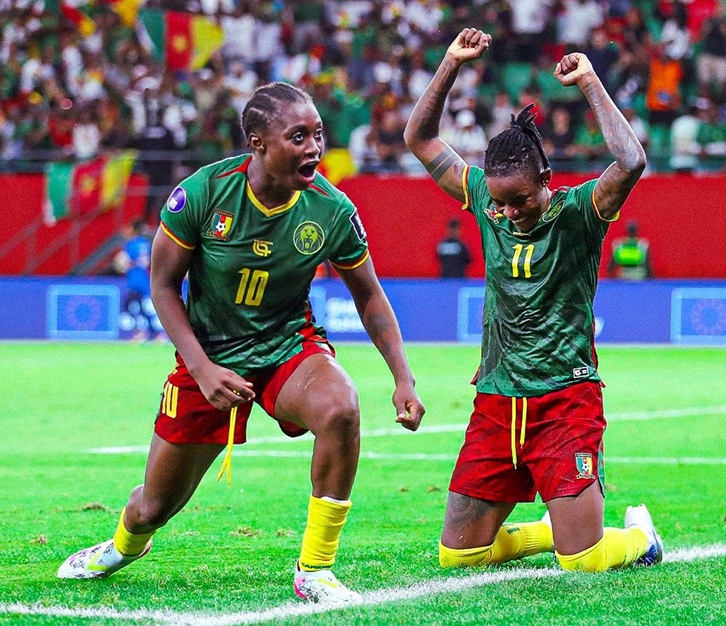
Marie Ngah scored either side of a Naomi Ndjoah Eto strike as Cameroon put the final beyond Malawi’s reach before half-time, with the Indomitable Lionesses maintaining control for the remainder of the match. The victory capped a tournament that defied expectations from start to finish, with Cameroon eliminating both reigning champions Nigeria and hosts Morocco before facing Malawi in a final between two sides seeking their first-ever WAFCON triumph.
A Final Nobody Saw Coming
When the expanded 16-team tournament kicked off in July, few would have predicted Cameroon and Malawi would emerge as the final two contenders. Cameroon arrived in Morocco after initially failing to qualify for the competition when it was still planned as a 12-team tournament, earning their place after the expansion of the finals. The Indomitable Lionesses had scored just four goals in their opening five matches and relied heavily on the heroics of Benfica goalkeeper Michaely Bihina. Their coaching staff, led by Valentine Nguele and Dimitri Lipoff, had also been in place for only six weeks when the tournament began.
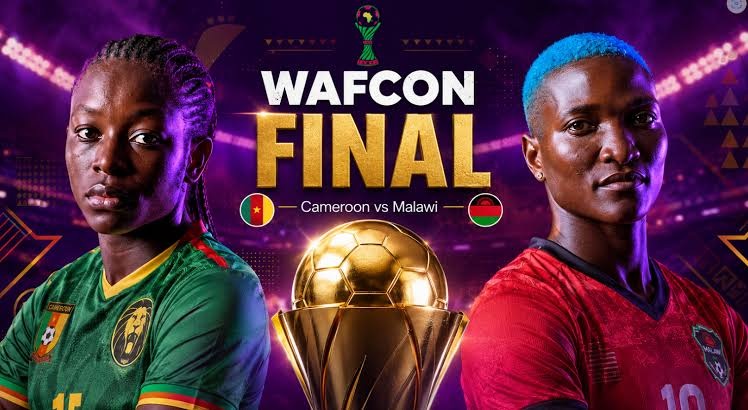
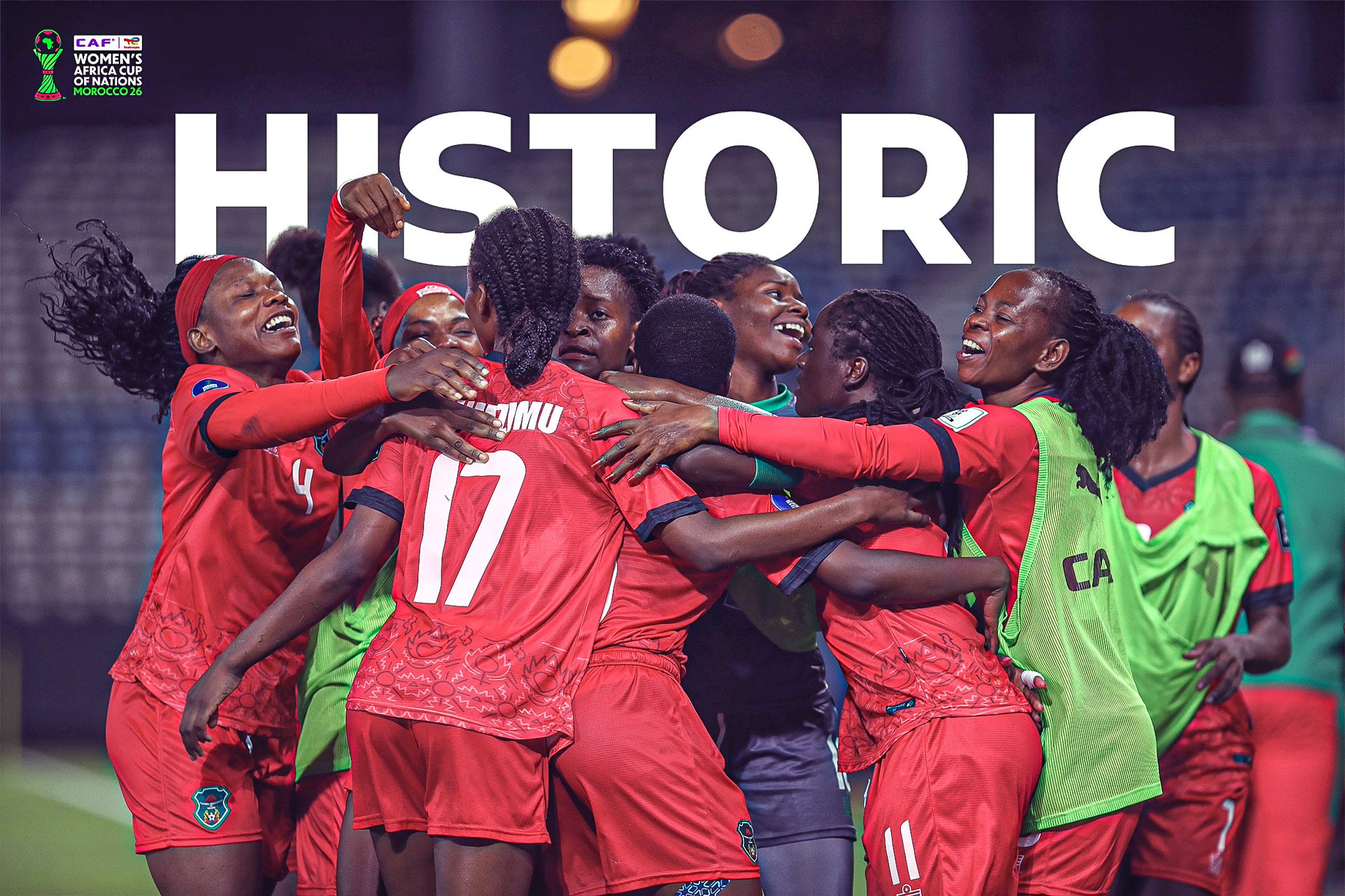
Malawi’s journey to the final was even more improbable. The Scorchers were appearing at a WAFCON finals tournament for the first time and entered the competition ranked 153rd in the world. Their campaign was driven by the Chawinga sisters — Tabitha of Olympique Lyonnais and Temwa of NWSL side KC Current — who combined for nine of Malawi’s 13 goals and helped carry their country to a final few had predicted.
But once the final whistle sounded, the underdog narrative gave way to Cameroon’s superiority. The Indomitable Lionesses delivered their most complete performance of the tournament when it mattered most, while Malawi, so dangerous throughout the competition, struggled to find a foothold in the final.
How Cameroon Finally Broke Through
This was Cameroon’s fourth appearance in a WAFCON final and their first triumph, having fallen short on three previous occasions, including a 1–0 defeat to Nigeria in the 2016 final. That history of near-misses made Sunday’s victory even more significant. Rather than a nervy, backs-to-the-wall performance, the Indomitable Lionesses asserted their dominance from the outset, producing a first-half display that effectively settled the contest before the break.
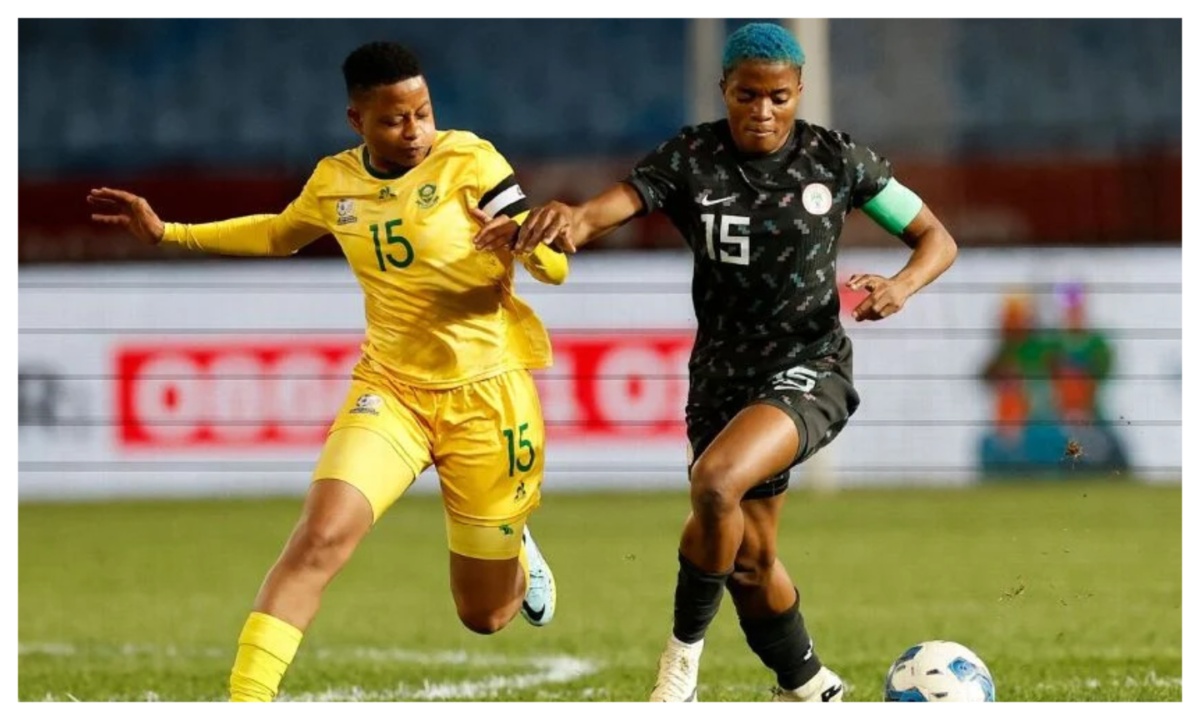
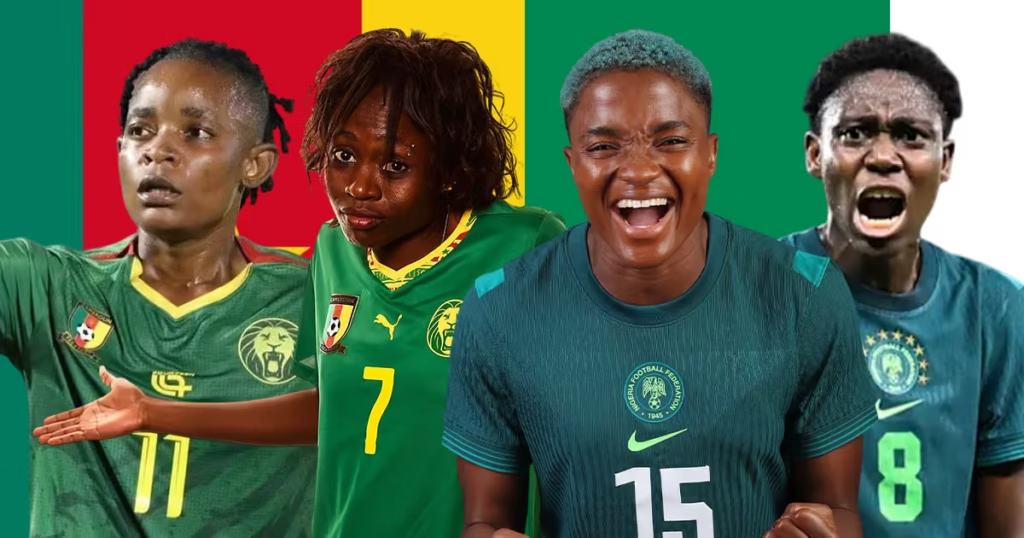
Cameroon’s route to the final had already produced two of the tournament’s biggest shocks. In the quarter-finals, 19-year-old Myriam Maéva Nyadjou scored the only goal to eliminate defending champions and record 10-time winners Nigeria, handing Cameroon just their second victory over the Super Falcons in 14 WAFCON meetings.
The semi-final presented another formidable challenge as Cameroon faced hosts Morocco before a partisan crowd of more than 19,000 at the same stadium that would host the final. After 120 minutes without a goal, the tie was decided by a penalty shootout. Bihina emerged as the hero, saving a stoppage-time penalty from Fatima Tagnaout before Cameroon held their nerve to secure victory from the spot and book their place in the final.
Cameroon’s triumph places them among an exclusive group of just four nations to have won the WAFCON title. They join record 10-time champions Nigeria, two-time winners Equatorial Guinea and 2022 champions South Africa as the only countries to have lifted the continental trophy.
Malawi’s Fairytale Falls Agonisingly Short
For all their heroics throughout the tournament, Malawi had no answer once Cameroon found their rhythm. The Scorchers, who had eliminated both Nigeria and Ghana on their way to the final and relied heavily on the Chawinga sisters for goals, struggled to impose themselves against a disciplined Cameroonian defence. Both Tabitha and Temwa were kept unusually quiet as Cameroon effectively neutralised Malawi’s biggest attacking threat.
It is worth remembering just how far Malawi had come by the time they walked out for the final. The Scorchers stunned record champions Nigeria in their opening group match, before defeating Egypt and finishing top of the group on goals scored despite a defeat to Zambia. In the quarter-finals, they came from behind to beat Ghana 2–1, with Rose Kadzere scoring the decisive goal with just over 10 minutes remaining.
They continued their remarkable run in the semi-finals, where a spectacular bicycle kick from Tabitha Chawinga and a second-half strike from her sister Temwa helped Malawi defeat Algeria 3–1 and secure their first-ever WAFCON final appearance.
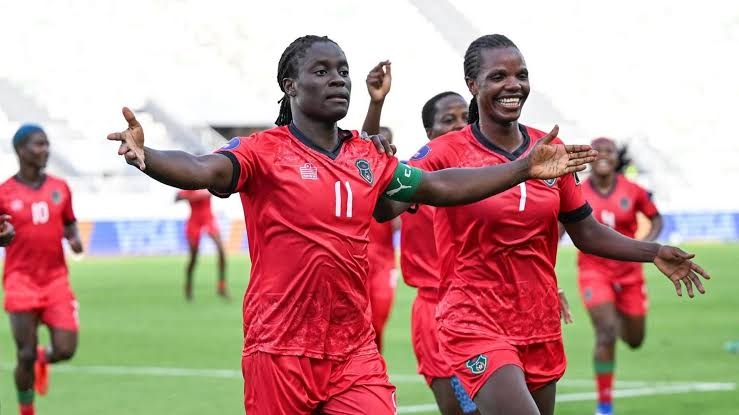
Although Malawi’s remarkable run ended in defeat, the Scorchers leave Morocco with plenty to celebrate. Their historic campaign secured the country’s first-ever qualification for the FIFA Women’s World Cup, a milestone they achieved by reaching the semi-finals. For a team making its debut at the WAFCON finals, Malawi’s run to the title match represents a significant step forward for women’s football in the country.
Where Nigeria’s Reign Actually Ended
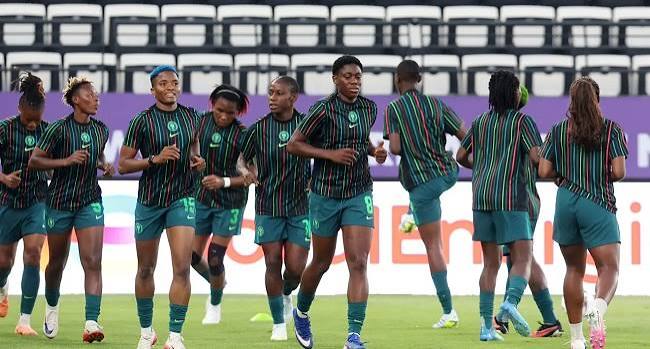
For the Super Falcons, the story of this WAFCON had already taken a difficult turn long before Sunday’s final. Nigeria’s title defence began to unravel in the group stage, when the record 10-time champions suffered a shock defeat to Malawi in their opening match. They recovered with victories over Egypt and Zambia to progress from the group, but the early setback had already raised questions about their campaign and left little room for further mistakes.
What It Means Going Forward
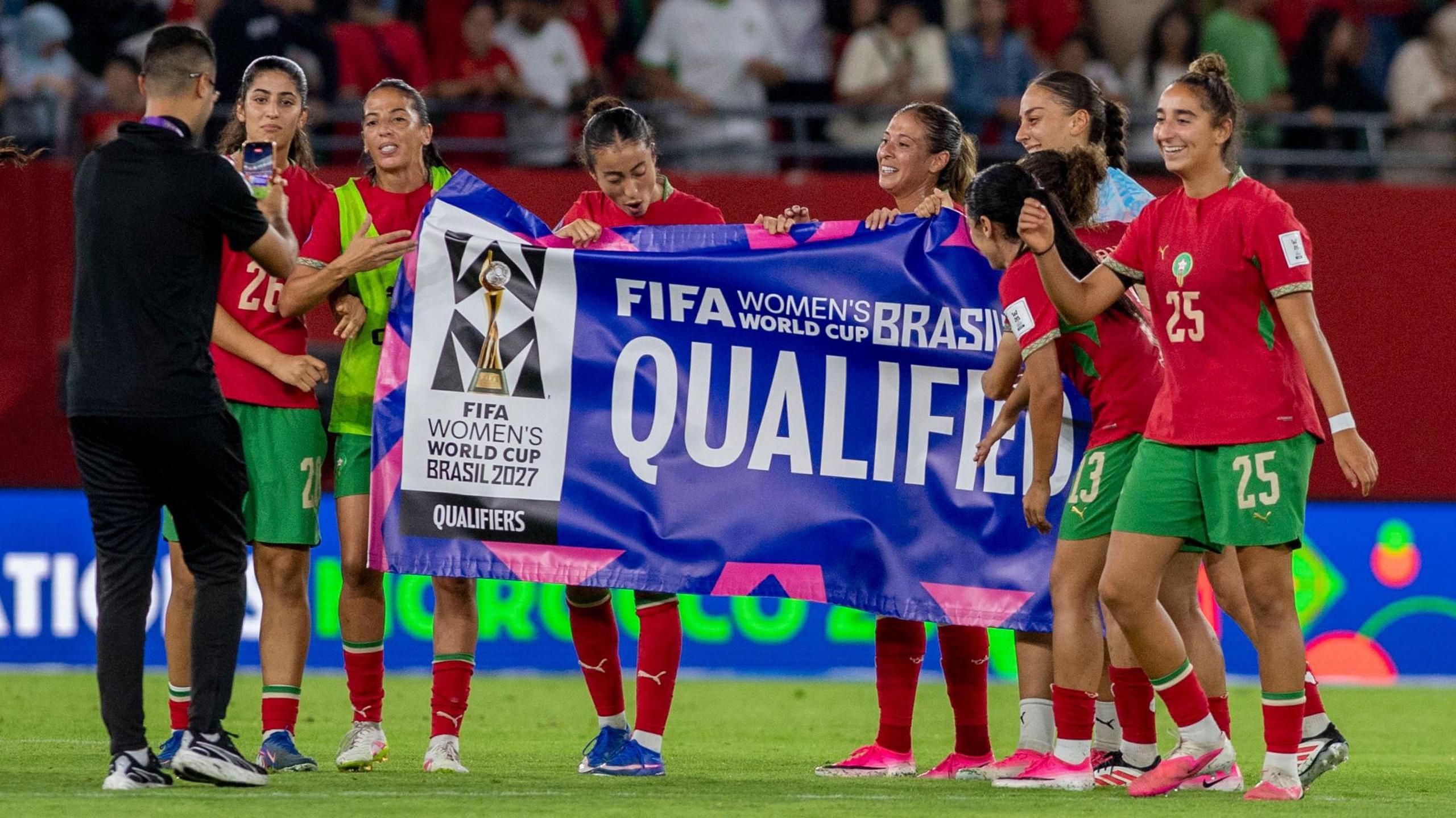
Cameroon, Malawi, Algeria and Morocco had already secured their places at the 2027 FIFA Women’s World Cup in Brazil by reaching the WAFCON semi-finals, ensuring that the tournament’s biggest overachievers will have the opportunity to test themselves on the global stage. For Cameroon, the maiden continental title is now accompanied by a return to the World Cup for the first time since 2019. For Malawi, their historic qualification represents a landmark achievement for a generation of players and supporters who have transformed the country’s standing in African women’s football.
For Nigeria, the road back begins now. The failure to defend their WAFCON crown, coupled with a first-ever absence from the FIFA Women’s World Cup, leaves difficult questions for the Super Falcons’ hierarchy to confront ahead of the next cycle. Yet beyond Nigeria’s setback, the tournament has signalled the emergence of a more unpredictable and increasingly competitive era in African women’s football — one in which established powers can no longer take their place at the top for granted.