
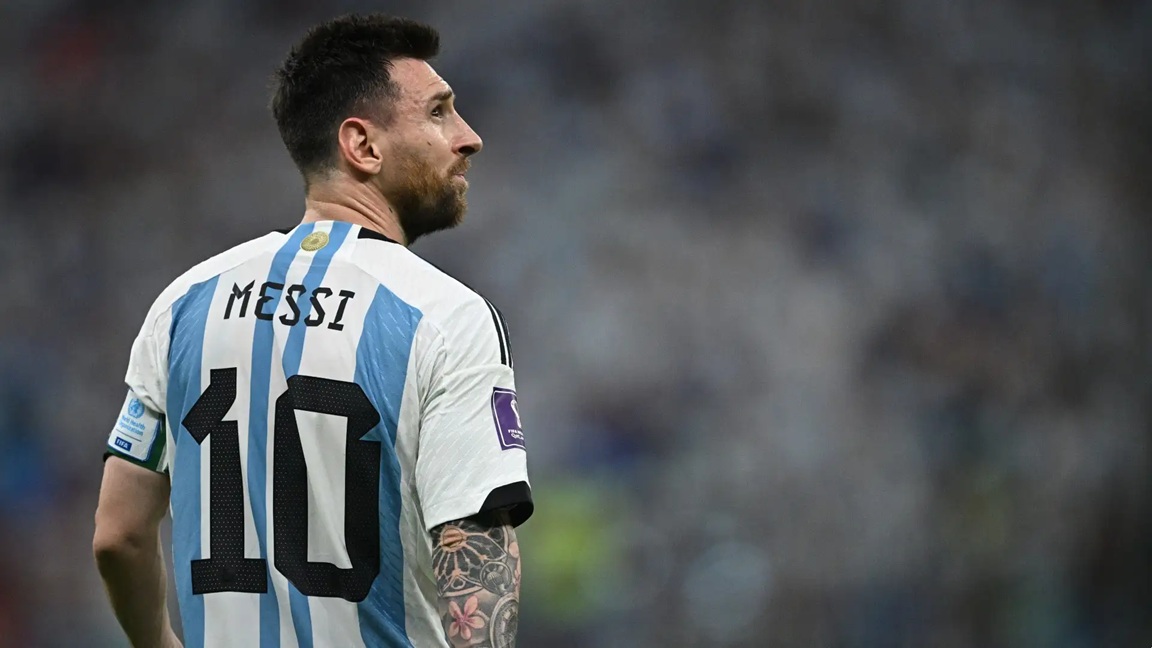
After two decades of triumphs, heartbreak and a World Cup triumph, Argentina great Lionel Messi has decided the time has come to close the international chapter of his extraordinary career.
Lionel Messi has announced his retirement from international football, bringing an extraordinary 21-year journey with Argentina to an emotional close. The 39-year-old, who captained his country to World Cup glory in Qatar in 2022, leaves as Argentina’s most-capped player and all-time leading scorer, with 207 appearances and 125 goals.
In announcing his decision, Messi acknowledged that walking away from the national team was painful but said he had reached the point where there was nothing more he could give. “I’ve given it my all, I have nothing left to give,” he said, while recognising the younger generation of Argentine players waiting for their opportunity.
Messi’s international career began in 2005 in a friendly against Hungary, but his first appearance could hardly have been more difficult. Introduced as a substitute, the teenage Messi was sent off less than a minute later after an altercation with Hungary defender Vilmos Vanczak.
That early setback was followed by years of immense expectations and painful disappointments. Messi became the face of a generation of Argentine footballers, but major international trophies repeatedly remained out of reach.
The pressure reached its height in 2016 when Messi announced his first international retirement after Argentina lost the Copa América final to Chile. He had missed his penalty during the shootout, as Argentina suffered another defeat in a major final.
But retirement did not last.
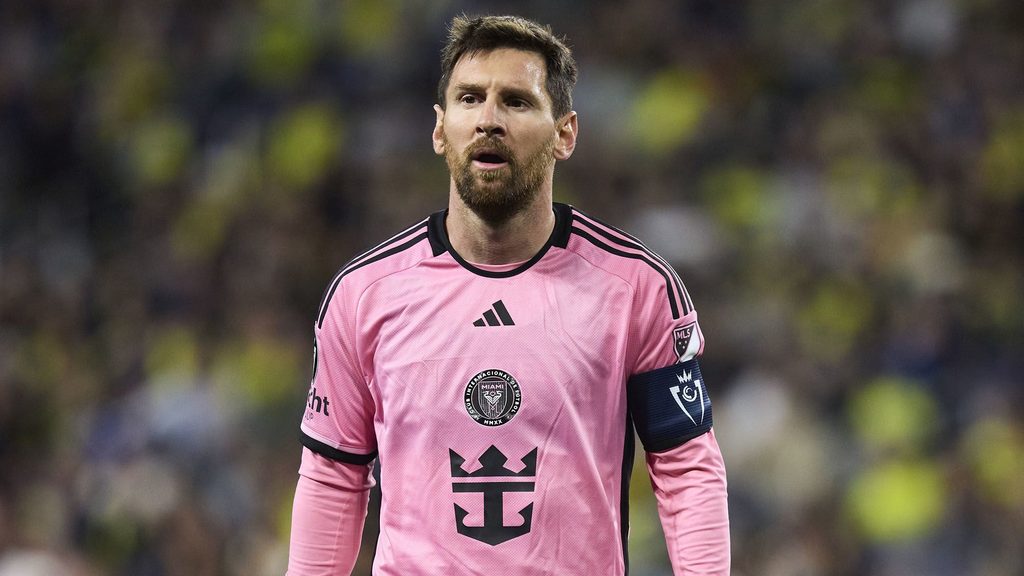
Messi returned to the national team, determined to continue pursuing the international success that had eluded him. What followed would eventually transform his relationship with Argentina supporters forever.
The breakthrough came at the 2021 Copa América, when Messi finally lifted a major international trophy with Argentina. A year later came the defining achievement of his career.
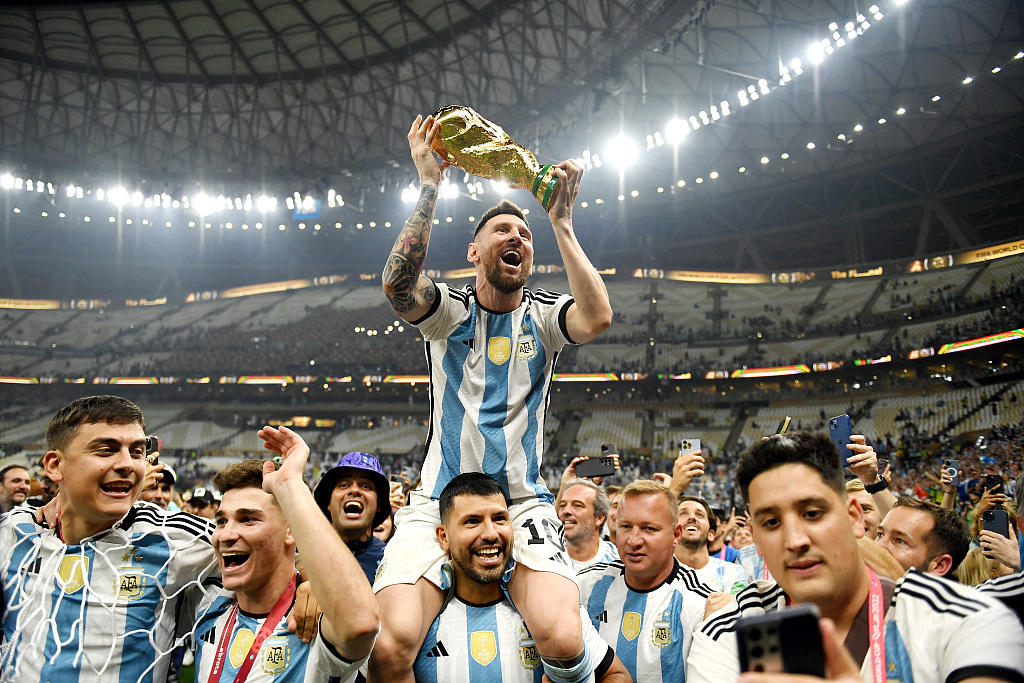
At the 2022 World Cup in Qatar, Messi led Argentina through a dramatic tournament that culminated in a penalty-shootout victory over France in the final. After years of criticism over his inability to win a major international title, Messi finally had the World Cup trophy in his hands.
Messi’s decision to retire comes after an emotional period in his personal life. Earlier in August, he said he was considering his future following the death of his father, Jorge Messi, who died aged 68 after a long illness.
According to Messi, he had already written his retirement message on July 21, two days after Argentina’s defeat by Spain in the 2026 World Cup final. He said the loss of his father made him even more convinced that the time had come to step away.
Despite ending his international career, Messi’s playing days are not yet over. He is expected to continue at club level with Inter Miami, where his contract runs through the end of the 2028 season.
Messi leaves Argentina with a collection of records that underline the scale of his contribution. His 125 international goals make him the country’s leading scorer, while his 207 appearances make him its most-capped player.
He also finished the 2026 World Cup with eight goals and four assists, taking his World Cup assist total to 12 — more than any other player in the competition’s recorded history.
“Thank you for all the love over the past 20 years,” he told Argentina supporters. “I’m going to miss hearing you from the pitch so much.”
He said he was leaving with the peace of mind and pride of having given supporters moments they had once only dreamed about.
Now, after more than two decades in the Argentina shirt, the captain who once carried the weight of an entire football nation can finally step away — not as the player who failed to win for Argentina, but as the World Cup-winning legend who gave everything he had.