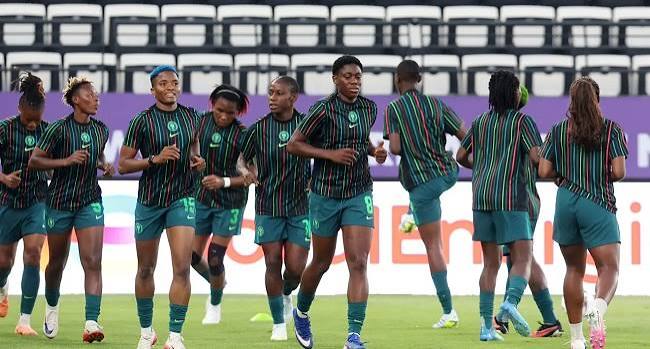

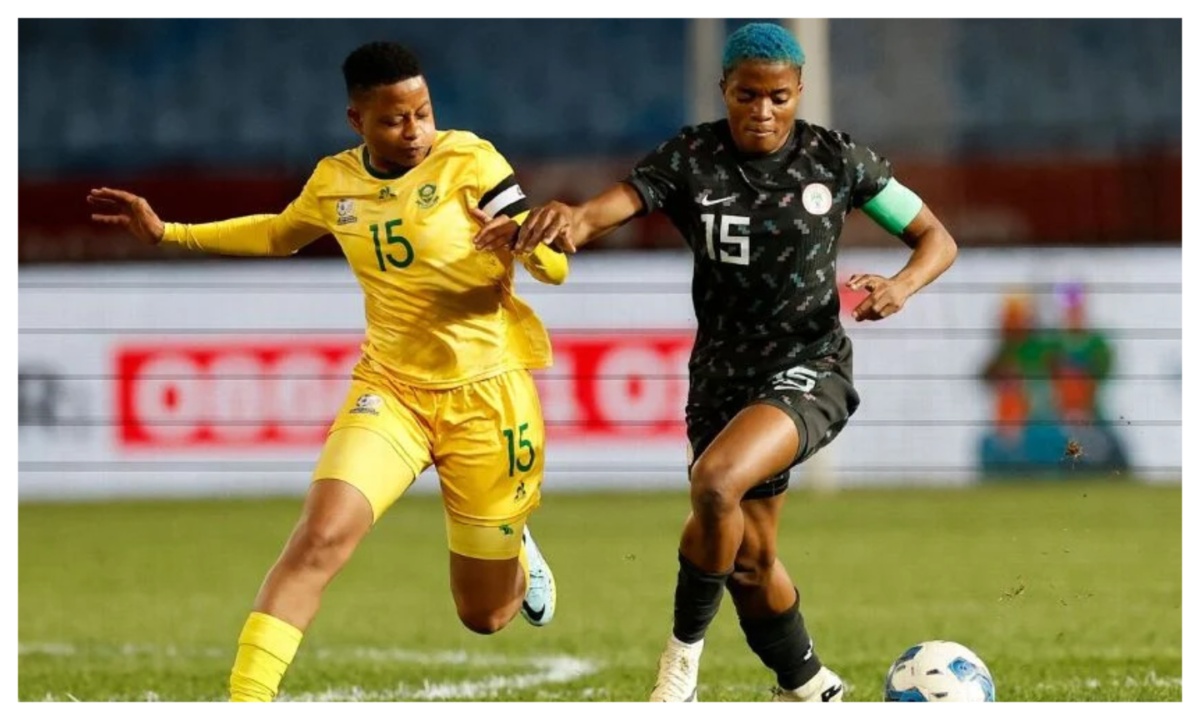
The Super Falcons of Nigeria suffered a historic setback on Thursday, August 13, 2026, after losing 2-1 to South Africa’s Banyana Banyana in the CAF Women’s World Cup play-off at Stade Moulay Rachid in Casablanca, Morocco. The defeat ended Nigeria’s hopes of securing a place at the 2027 FIFA Women’s World Cup in Brazil and marked the first time the African champions will miss the global tournament since their debut in 1991.
Nigeria came close on several occasions, with Michelle Alozie among those who tested South Africa’s defence, but the Super Falcons were unable to convert their opportunities.
South Africa eventually broke the deadlock in the 56th minute through forward Thembi Kgatlana, who gave Banyana Banyana the lead with a crucial finish. Captain Refiloe Jane then doubled South Africa’s advantage in the 77th minute, putting her side in control of the tie.
Nigeria’s hopes of a comeback were revived late in the game after a VAR review awarded the Super Falcons a penalty for handball. Christy Ucheibe calmly converted from the spot in the 89th minute, while the incident also resulted in Jane receiving a red card. Despite South Africa being reduced to 10 players, Nigeria could not find the equaliser as Banyana Banyana held on to secure a historic victory.
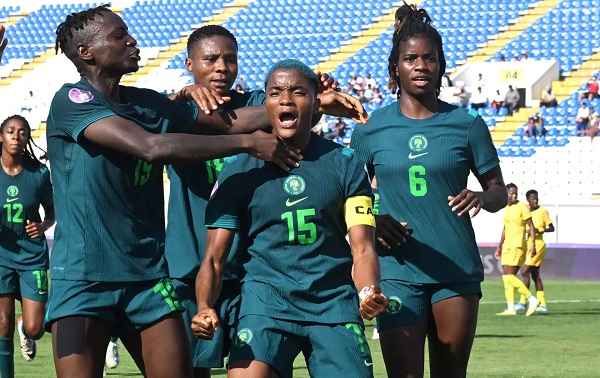
The defeat represents an unprecedented setback for Nigerian women’s football. Since the FIFA Women’s World Cup began in 1991, the Super Falcons had featured in every edition of the tournament, making them the only African team to maintain such a consistent presence on the global stage. Their absence from the 2027 tournament will therefore mark the end of a remarkable 35-year run.
Unlike previous qualification disappointments, there will be no further route to Brazil 2027. The CAF play-off match against South Africa served as Nigeria’s final opportunity to secure a place in the inter-confederation play-offs, meaning the loss brings their qualification campaign to a complete end.
The setback now presents a major rebuilding challenge for the Nigeria Football Federation and the Super Falcons. Questions around squad development, tactical direction, coaching decisions and the transition to a new generation of players will become central as Nigeria looks to restore its position as a powerhouse in African women’s football.
For a team that has defined consistency and dominance on the continent for decades, missing the World Cup is not just a tournament disappointment — it is a moment that could shape the next era of the Super Falcons.